


Indian Refiners Boost Fuel Exports to West by 43% Using Russian Crude

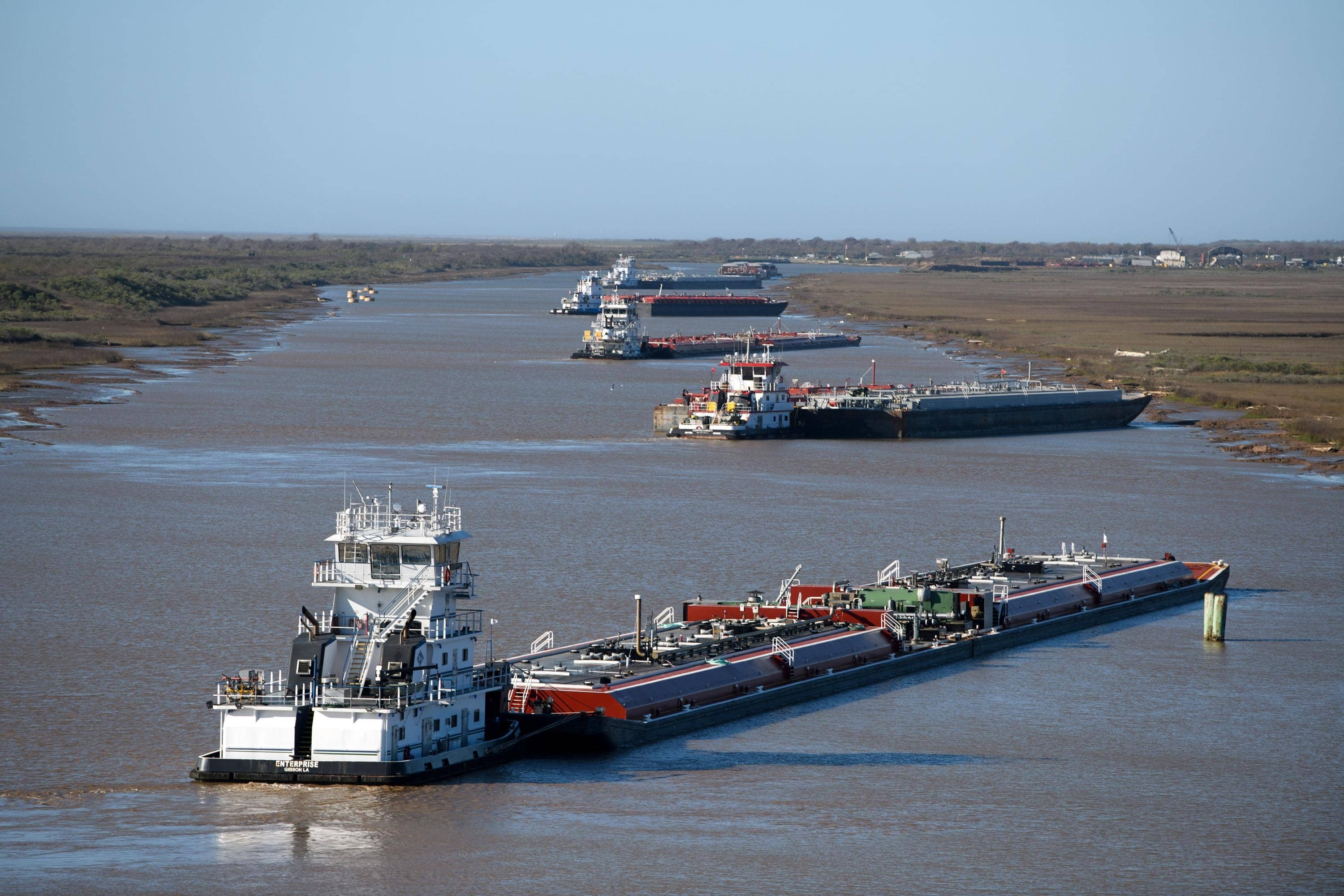


Refineries in India, along with facilities in Turkiye and Brunei that utilize Russian crude oil, saw a notable rise in fuel exports to countries enforcing sanctions on Russia. According to a report by the Centre for Research on Energy and Clean Air (CREA), shipments of oil products to these sanctioning nations reached a value of 1 billion euros (approximately USD 1.2 billion) in September. This figure marks a 43 percent increase compared to shipments recorded in August.




Reliance Industries Ltd's Jamnagar refinery, located in Gujarat, played a key role in this surge. It delivered six out of seven cargoes that were unloaded at European Union ports during that month, despite the bloc's existing ban on fuels produced from Russian crude oil. The CREA study specifically tracks refineries in India, Turkiye, and Brunei, which are among the few that continue processing Russian crude amid international sanctions.
The European Union remains the largest consumer of these refined products from the three countries, accounting for imports worth 667 million euros. Australia followed with 168 million euros, the United States imported 154 million euros worth, and New Zealand received 19 million euros. CREA estimates that about 295 million euros of the total exports were derived from refining Russian crude oil, underscoring the ongoing role this crude plays in the global fuel supply chain.
Jamnagar refinery also led the shipments bound for the United States, exporting fuel products valued at 122 million euros. Between July and September, Russian crude constituted roughly 32 percent of the refinery’s crude oil intake. This indicates a continued reliance on Russian crude by at least some major Asian refineries during a period of geopolitical tensions and sanctions.
Within the European Union, Italy was the recipient of three of the seven shipments, while Romania received two. Spain and Cyprus each imported one shipment. These deliveries occurred despite EU restrictions aimed at curtailing the use of Russian-origin fuels, highlighting complexities in enforcing sanctions across global supply chains.
India’s refining sector has grown substantially over recent decades, with the Jamnagar complex standing as one of the world’s largest single-site refineries. It is equipped to process various grades of crude oil, including discounted Russian barrels, which have become an attractive option amid shifting trade patterns and price fluctuations. The refinery’s ability to supply multiple international markets demonstrates the strategic position India holds in global energy trade.
The ongoing global energy market dynamics reflect the challenges countries face balancing energy security, economic interests, and geopolitical considerations. As Western nations impose restrictions on Russian energy imports, refiners in countries such as India have adapted their operations to maintain supply and meet demand from diverse markets.
This increase in fuel exports from Indian and allied refineries to sanctioning countries underlines the interconnectedness of the global oil industry. It also reveals how markets adjust to sanctions and trade barriers, with fuel products refined from Russian crude still finding their way into major consuming regions, albeit through complex channels.
Looking ahead, the global refining landscape may continue to evolve depending on geopolitical developments, sanctions enforcement, and shifts in crude oil production and consumption patterns. For now, Indian refineries remain key players in meeting fuel demand across continents, even as the origin of their crude inputs remains a point of international scrutiny.
What's Your Reaction?
 Like
0
 Dislike
0
 Love
0
 Funny
0
 Wow
0
 Sad
0
 Angry
0

















Comments (0)