


India's Economic Growth to Slow, Inflation and Jobs Pose Challenges

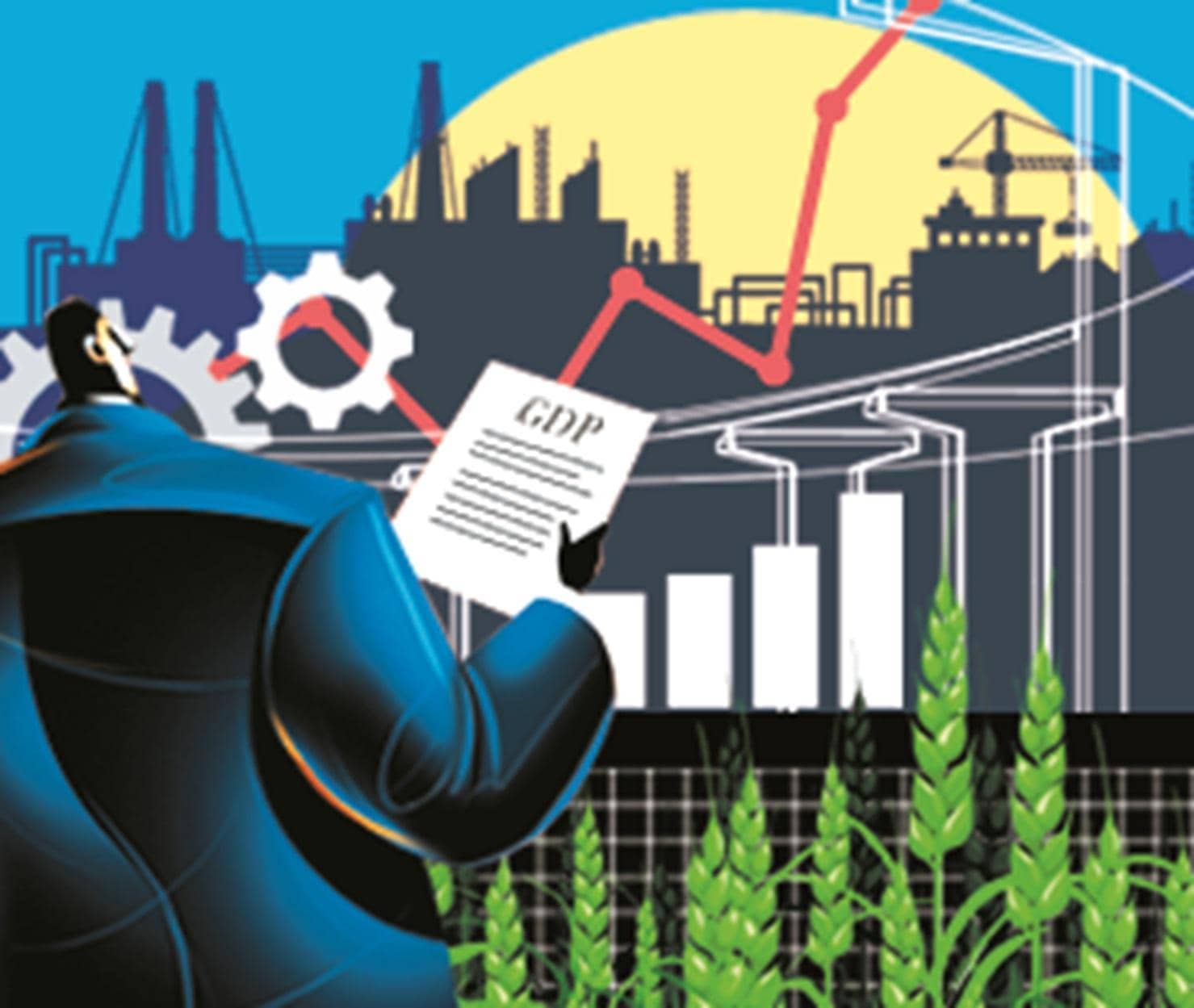


India's economic expansion is projected to moderate after an unexpectedly strong start to the current fiscal year, according to a recent Reuters survey of economists. The growth rate is forecast to hover near 7% over the next few years as inflationary pressures, mainly driven by elevated energy costs, pose challenges to the near-term economic outlook.




The ongoing conflict involving the US, Israel, and Iran has had only a limited effect on India's economic momentum so far. However, the hostilities have contributed to higher fuel prices, pushing inflation upward. The Reserve Bank of India (RBI) has already increased interest rates once this fiscal year and is expected to raise them two more times, targeting a policy rate of 6.0% by the end of March 2027.
Despite these pressures, India’s economy, which ranks as Asia's third largest, is predicted to continue growing steadily. Most experts agree this pace is unlikely to bring significant improvements in employment prospects, particularly for younger workers entering the labor market. Miguel Chanco, chief emerging Asia economist at Pantheon Macroeconomics, commented, "7% growth is quite healthy, especially in this climate. But is that healthy for India? I would say it's probably just average."
The median forecast from the October 19-26 Reuters poll projects India’s gross domestic product (GDP) growth at 7.1% for the fiscal year ending in March 2027. This is a decline from the estimated 7.7% growth in FY 2025-26. Growth is then expected to ease slightly to 7.0% in FY 2027-28. These predictions align closely with RBI’s official expectations and earlier international forecasts, including those from the International Monetary Fund.
Economists have tended to underestimate India’s economic expansion, having missed the mark in 10 of the last 12 quarters despite generally predicting growth near 7%. However, sustaining this growth appears increasingly complex, especially as private investment—a key engine for job creation—faces headwinds.
Private investment surged nearly 12% in the June quarter, but experts warn that persistent high oil prices could dampen this momentum. As of now, crude oil futures hover around $116 per barrel, roughly 60% above levels before the war involving Iran. These energy costs add to inflationary pressures, which are squeezing household budgets and reducing savings.
In addition, India has not benefited from the surge in artificial intelligence investment that has boosted growth in other Asian economies like South Korea. Chanco noted that domestic challenges with private investment and the global shift toward AI technologies are reducing the demand for entry-level positions, fueling dissatisfaction among India’s youth. This frustration has manifested in student-led protests across the country, highlighting concerns over education and employment despite strong overall economic growth.
Inflation is expected to average 6.1% this quarter and remain above RBI’s 4% medium-term target through at least the end of 2027. Kunal Kundu, India economist at Societe Generale, warned that stronger cost pass-through from rising energy prices and increasing services inflation could embed elevated price pressures more firmly in the economy.
Households also face risks from potential reductions in welfare spending. The 2026-27 budget anticipates a 4.5% cut in subsidies for food, fertilizer, and petroleum. These subsidies have historically helped sustain demand and reduce poverty levels. Indranil Pan, chief economist at Yes Bank, pointed out that the significant cash transfers from both central and state governments to support consumption indicate underlying economic stress despite overall growth.
India’s economic outlook thus reflects a balancing act between maintaining steady expansion and managing inflation and social challenges. The combination of higher energy costs, modest private investment growth, and labor market frustrations underscores the complexity of sustaining inclusive growth in one of the world’s fastest-growing major economies.
What's Your Reaction?
 Like
0
 Dislike
0
 Love
0
 Funny
0
 Wow
0
 Sad
0
 Angry
0

















Comments (0)