


India Slashes Prices on 543 Cancer Drug Brands by up to 93%

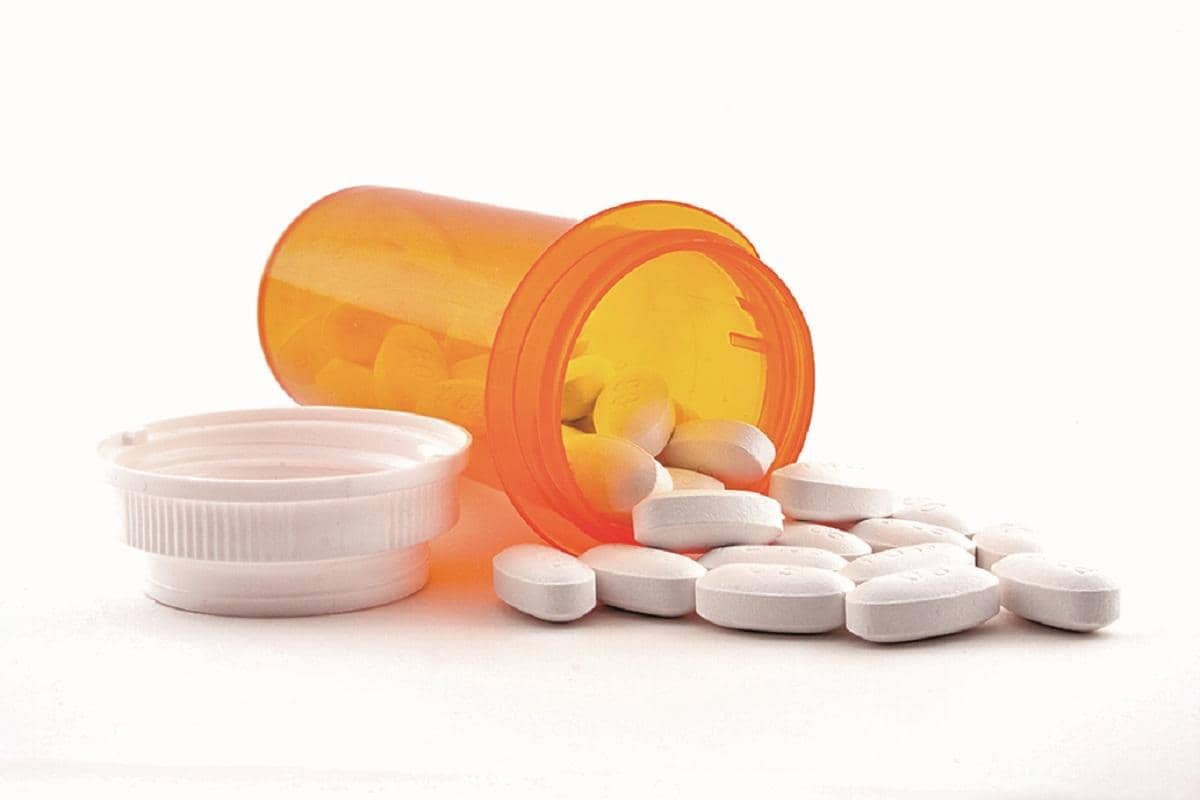


India’s National Pharmaceutical Pricing Authority (NPPA) has implemented a significant adjustment in the pricing of cancer medications, slashing the maximum retail prices (MRPs) for 543 trade margin-capped brands and pack sizes. The reductions in some instances reach as high as 93 percent, providing potential relief to patients relying on generic and biosimilar cancer drugs.




The price cuts are more substantial than the government’s earlier forecast, which anticipated reductions of up to 70 percent. For example, Palbopro, a palbociclib-based targeted therapy marketed by RPG Life Sciences, has seen its price drop dramatically from ₹40,421.33 per unit to ₹2,720 per unit, marking a 93.3 percent decrease. Similarly, another palbociclib brand named ISOGEN has experienced a 91.6 percent price reduction for its 100 milligram pack.
These changes could yield considerable savings for patients requiring repeated doses of cancer drugs. However, the actual financial benefit will depend on factors such as the specific brand prescribed, individual treatment plans, and whether hospitals implement the revised prices in their billing.
Despite these sharp decreases affecting generic and biosimilar versions, the MRPs of certain high-cost innovator drugs have remained unchanged. For instance, Avastin, a monoclonal antibody drug containing Bevacizumab and marketed by Swiss pharmaceutical giant Roche, retains its price at ₹1.23 lakh per 400 mg vial. Meanwhile, biosimilar alternatives like Bevacimab by Abbott and Bevakalp by Torrent Pharma have seen price cuts of 86 percent and 69 percent, respectively.
Likewise, cancer drugs such as Nivolumab, sold by Bristol Myers Squibb India and Dr Reddy’s Laboratories, have not experienced any MRP revisions. These two drugs, Bevacizumab and Nivolumab, rank as the second and third best-selling anti-cancer medicines through retail channels in India, based on data from market research firm Pharmarack. Another critical immunotherapy, Keytruda (active ingredient Pembrolizumab), used for treating more than 21 types of cancers, continues to be priced at ₹2.16 lakh.
Officials have explained that price cuts were applied mainly to those indications where excessive trade margins inflated prices. Sandeep Nayak, chairman of oncology at KIMS Hospital in Bengaluru, noted that the unchanged pricing of original manufacturers likely reflects margins already within acceptable limits.
This pricing move is part of a broader government effort to address concerns over cancer drug affordability. The Supreme Court has recently questioned authorities about high medicine costs and the profit margins embedded in the cancer treatment supply chain. Patient advocacy groups have criticized certain Indian generic manufacturers for offering large trade margins, which they argue exploit patients financially.
Malioni Aisola, co-convener of the All India Drug Action Network (AIDAN), pointed out that the trade margin rationalization policy was not aimed at making cancer treatments genuinely affordable. She highlighted that the exclusion of medicines distributed free through Patient Assistance Programs (PAPs) from margin calculations weakens the impact of price controls. PAPs are programs funded by manufacturers to provide free or discounted medicine to eligible patients. Aisola described these programs as market-expansion tactics, which distort margin figures and diminish the effectiveness of price reductions.
Experts have also raised questions about the pricing methodology. The NPPA’s notification caps the MRP at 30 percent above the price excluding GST, which corresponds to a 42.86 percent markup for distributors or stockists. Given the limited supply chain for cancer drugs, which often involves only a few intermediaries or direct hospital sales channels, such markups may allow excessive profits.
Aisola emphasized that the current system legitimizes profiteering by confining the supply to a small number of players while allowing high markups. The revised MRP list is based on data reported by pharmaceutical companies, with the NPPA stating that it plans to update the list periodically.
However, patient groups criticize the NPPA for insufficient oversight and lack of independent verification of price data across the supply chain and distribution channels. Aisola remarked that reliance on self-reported company data without proper checks could undermine the regulatory intent, leaving patients vulnerable to inflated prices despite the official controls.
This latest pricing adjustment reflects ongoing challenges in balancing drug affordability, innovation incentives, and market dynamics within India's oncology pharmaceutical sector. While the reductions in generic and biosimilar drug prices offer some relief, the unchanged costs of key patented medicines illustrate the complexity of regulating cancer treatment expenses in a diverse and evolving healthcare market.
What's Your Reaction?
 Like
0
 Dislike
0
 Love
0
 Funny
0
 Wow
0
 Sad
0
 Angry
0














Comments (0)