


RBI Reports Five-Year Peak in Currency Circulation Growth

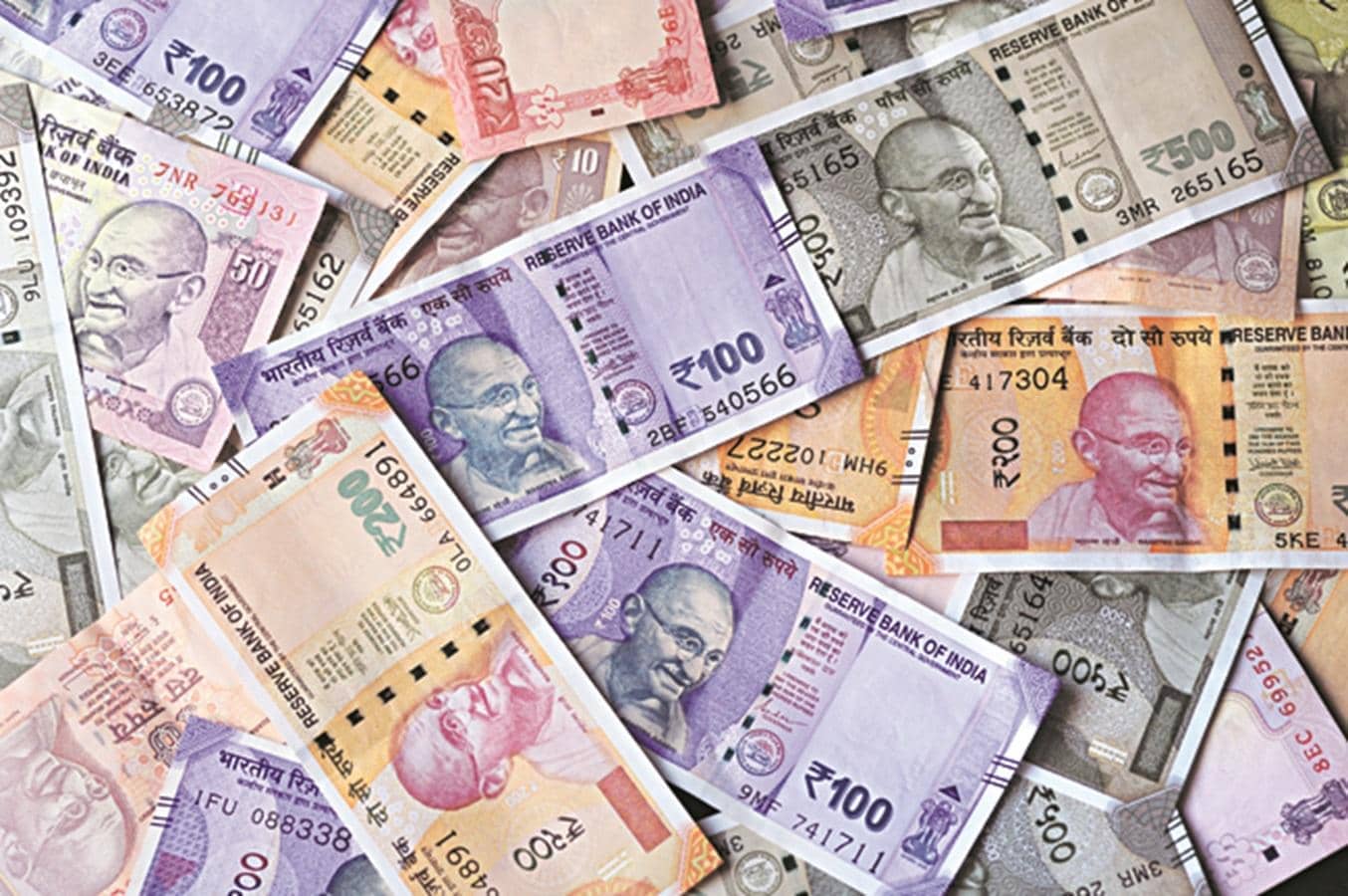


The Reserve Bank of India (RBI) has documented a significant increase in currency in circulation (CiC), reaching its highest growth rate in five years. This surge is largely attributed to deposits made under the Foreign Currency Non-Resident (Bank), or FCNR(B), scheme, which has contributed to a substantial expansion in reserve money.




As of October 15, the total currency in circulation stood at ₹43.46 trillion, marking a year-on-year growth of 13.5 percent. Concurrently, reserve money expanded by 10.3 percent year-on-year, reaching ₹53.24 trillion. These figures were detailed in the RBI's recent "State of the Economy" report, prepared by its staff.
The report highlighted that reserve money, when adjusted for the Cash Reserve Ratio (CRR), showed a strong upward trend. Specifically, currency in circulation growth recorded its highest level over the past five years as of September 30, 2026. During the fortnight ending on that date, CiC growth was noted at 13.3 percent.
The growth trajectory followed a policy move implemented on June 8, when the RBI introduced a special dollar-rupee forex-swap facility. This swap window covered FCNR(B) deposits, external commercial borrowing (ECB), and overseas foreign currency borrowing. Banks took full advantage of this facility, mobilizing $133 billion in FCNR(B) deposits by August 31, the date when the window closed.
Economic experts have observed that as the RBI initiates steps to drain liquidity from the system, the growth rate of reserve money is expected to moderate. Gaura Sen Gupta, chief economist at IDBI First Bank, explained that the increase in reserve money reflects the cumulative liquidity infusion by the central bank since fiscal year 2026 (FY26). The RBI conducted net open-market operations purchases amounting to ₹8.8 trillion during FY26 and continued liquidity support through swap windows in FY27.
Gupta added that ongoing interventions in the forex market combined with increased currency demand during the festive season are likely to tighten liquidity further, which will in turn slow down the growth of reserve money.
The RBI report also discussed the Indian economy’s resilience amid global uncertainties. High-frequency indicators suggest an upward trend, supporting the view that the economy has been cushioned by strong macroeconomic fundamentals and timely policy measures aimed at reducing downside risks.
In addressing external challenges, the RBI has implemented various regulatory actions to discourage speculative behavior in the foreign exchange market. These measures aim to stabilize the currency and maintain orderly market conditions.
Despite being a net importer of energy, India’s gross domestic product (GDP) growth has remained robust, largely driven by sustained domestic demand and a thriving services sector. The report noted a gradual increase in retail inflation, which has become more widespread across different commodities. This inflation pattern necessitates appropriate adjustments in monetary policy to maintain price stability.
Supporting the economic narrative, strong inflows through the FCNR(B) swap window have bolstered India’s foreign exchange reserves. Additionally, foreign direct investment (FDI), external commercial borrowings, and remittance inflows showed strength in August. Robust export growth contributed to narrowing the trade deficit in September, reinforcing the external sector’s resilience.
Overall, these developments underline the RBI’s proactive stance in managing liquidity and exchange rate pressures while supporting economic growth in a complex global environment.
What's Your Reaction?
 Like
0
 Dislike
0
 Love
0
 Funny
0
 Wow
0
 Sad
0
 Angry
0
















Comments (0)