


Gen Z's Growing Credit Use Challenges Long-Term Investment Habits

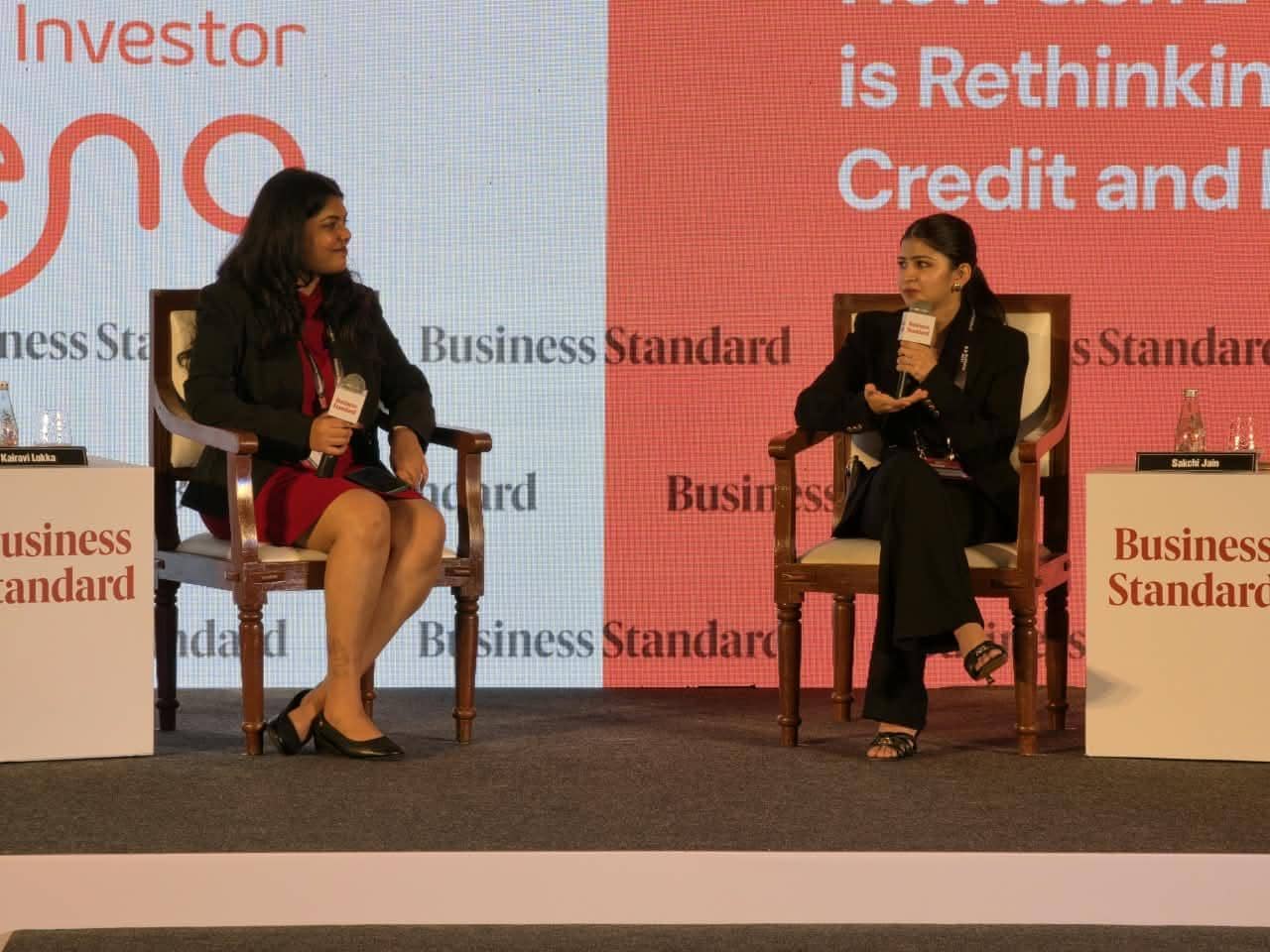


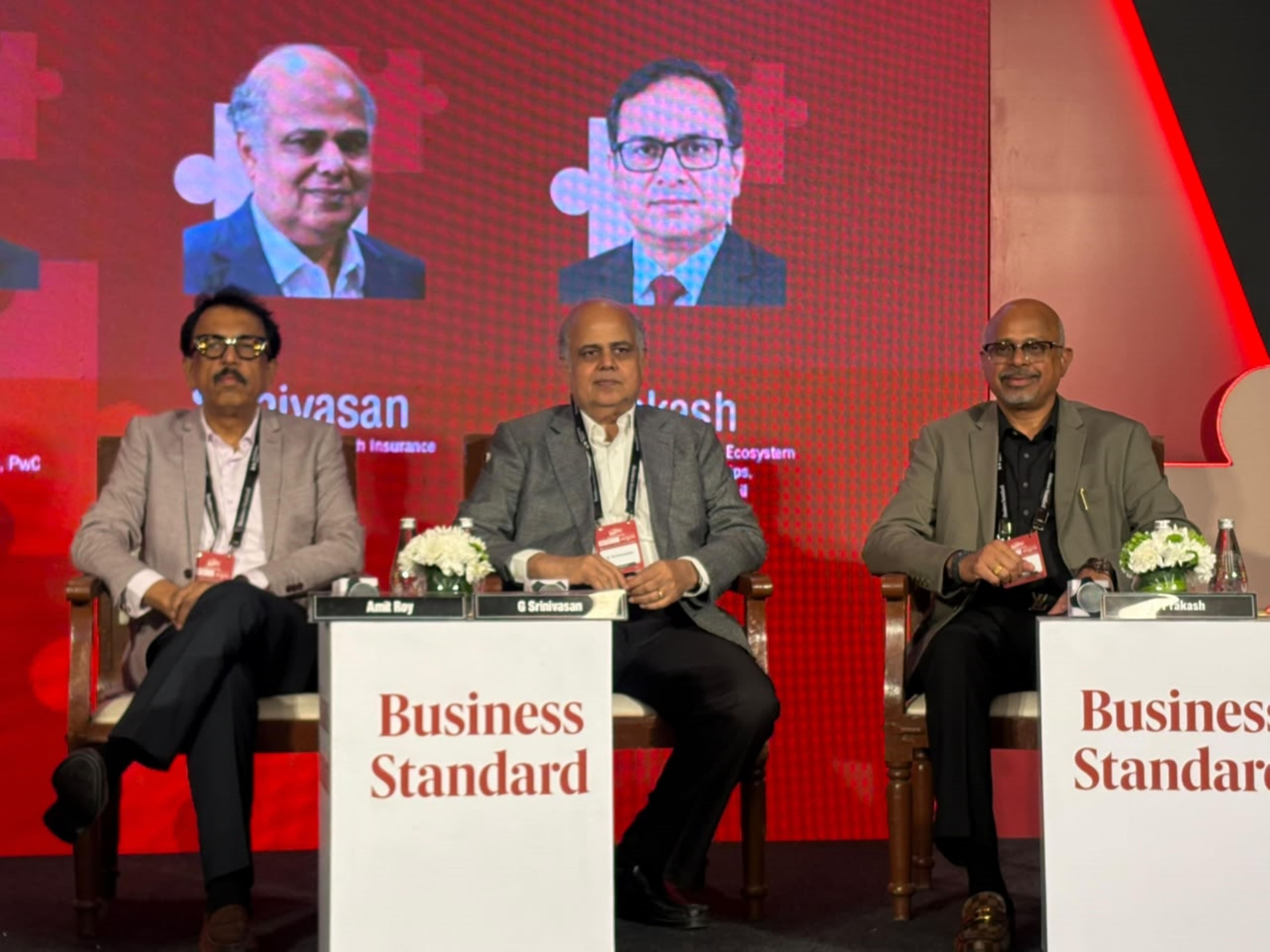
In a recent discussion at the Business Standard BFSI Insight Summit 2026, chartered accountant and content creator Sakchi Jain provided insights into how credit products are becoming the initial point of contact with finance for many young Indians. She highlighted a shift where credit, rather than traditional savings accounts or systematic investment plans (SIPs), is often the first financial tool used by Gen Z consumers.




Addressing Business Standard’s Kairavi Lukka, Jain revealed that 41 percent of Gen Z individuals encounter credit before other financial products. This trend is largely driven by easy access to digital credit options such as buy now, pay later (BNPL) services and credit cards, which have simplified borrowing and reduced the stigma historically linked to taking loans.
"Previously, borrowing money involved visiting banks and signing numerous documents, which created a psychological barrier," Jain explained. "Now, with BNPL, people often do not even realize they are incurring debt." This convenience encourages younger consumers to prioritize lifestyle spending, sometimes beyond their immediate financial means.
Jain referenced the "lipstick effect," a consumer behavior pattern where people opt for smaller, affordable indulgences when larger financial goals seem out of reach. For example, purchasing ₹8,000 sneakers through BNPL allows young people to maintain social relevance without immediate full payment. This shift reflects a preference for lifestyle upgrades financed through credit.
Despite the appeal of credit-fueled spending, Jain cautioned that this approach may not be sustainable over time. She stressed that lifestyle expenses, rather than market fluctuations, present a stronger challenge to regular investing habits among the youth. "It is not the market that competes with SIPs; it is your lifestyle," she stated.
Jain pointed out that heavy reliance on BNPL can lead to difficulties in meeting even minimum credit card payments. In cases of unforeseen events like job loss or medical emergencies, young borrowers often choose to maintain their lifestyle expenses while cutting back on investment contributions such as SIPs. This behavior could hamper wealth accumulation over the long term.
Interestingly, Jain noted that many young investors attempt to juggle both worlds by initiating small SIPs alongside using BNPL services. However, she believes the segmented marketing of these financial products encourages focus on one aspect at a time rather than fostering a comprehensive financial strategy.
The discussion also touched on the financial literacy gap within Gen Z. Jain emphasized that this generation is diverse in investment experience. Some started investing during the Covid-19 pandemic and witnessed market volatility firsthand, while others are just beginning their investment journeys. Despite increased market participation, a deep understanding of financial products remains uneven.
Jain also drew attention to emerging investment approaches tailored to younger investors’ preferences. She mentioned daily SIPs as an example, where investing small amounts each day may be psychologically easier than lump sums paid monthly. "Telling a Gen Z investor to invest ₹1,500 once a month can feel overwhelming, but ₹50 a day is more manageable," she said.
As more young Indians engage with credit and investment products, Jain’s observations highlight the importance of balancing immediate lifestyle desires with disciplined, long-term financial planning. The evolving credit culture among Gen Z reflects broader changes in finance access and consumption patterns, which financial educators and institutions will need to address carefully.
What's Your Reaction?
 Like
0
 Dislike
0
 Love
0
 Funny
0
 Wow
0
 Sad
0
 Angry
0












Comments (0)