


Anant Ladha Explains How to Earn Your First ₹1 Crore Through Skills and Active Income

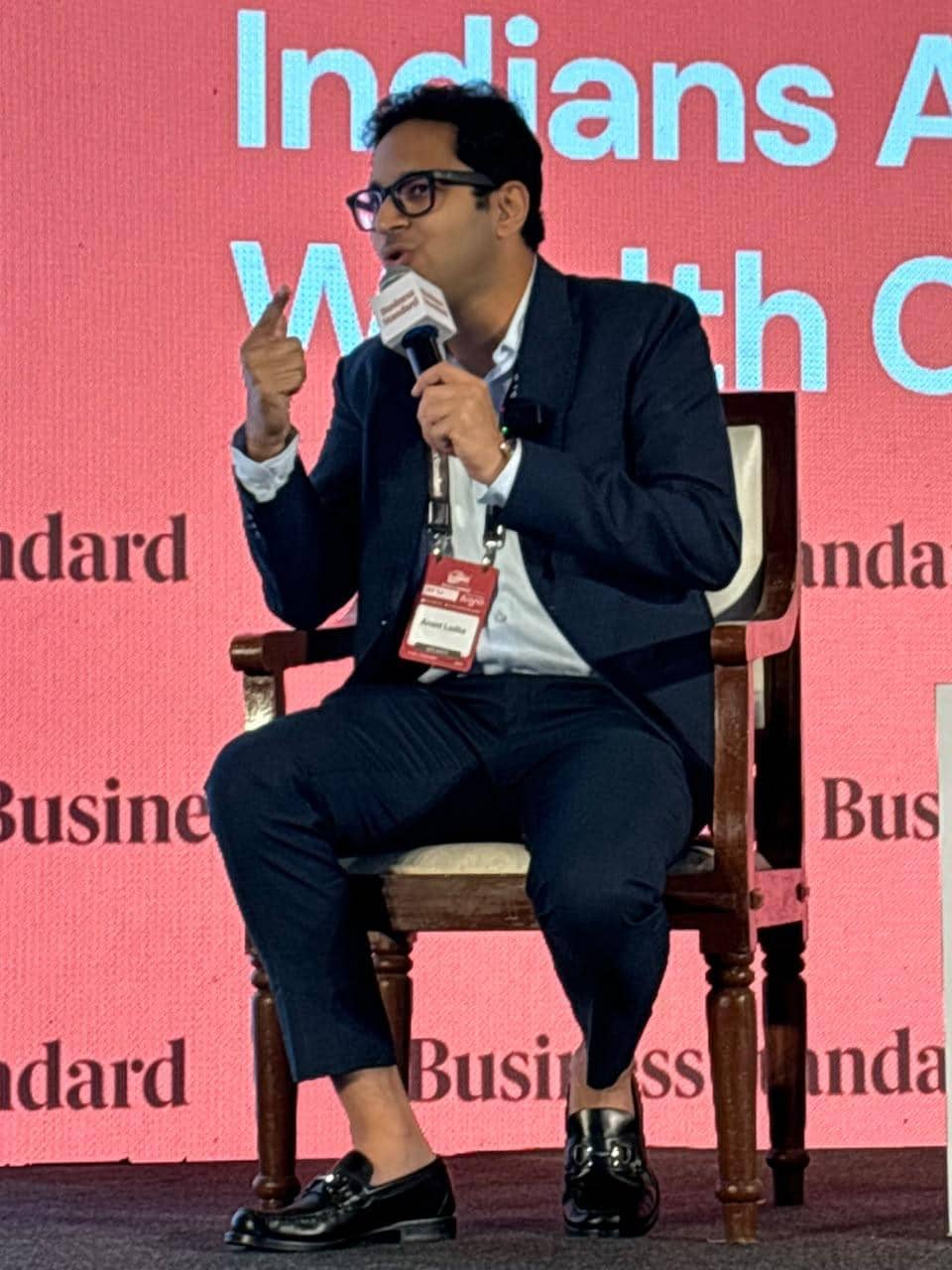


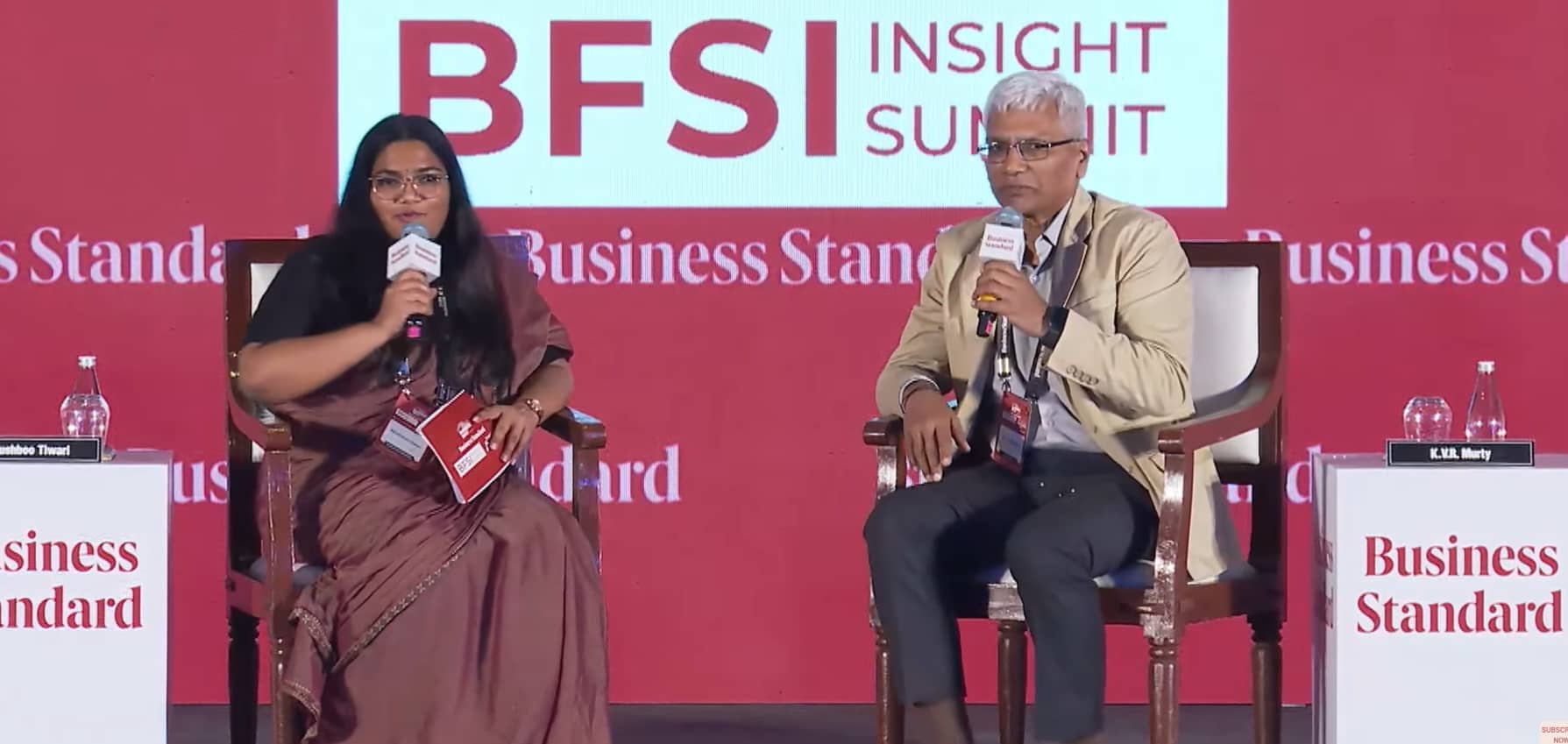
During the Business Standard BFSI Insight Summit 2026 held on Monday, financial educator and content creator Anant Ladha shared valuable insights on wealth creation, particularly focusing on how individuals can earn their first ₹1 crore. In a conversation with Khushboo Tiwari at the Smart Investor Arena, Ladha emphasized that the initial crore is typically accumulated through active income and personal skills rather than passive investments.




Ladha stated that the most significant asset anyone currently holds is themselves, yet many fail to invest adequately in their own abilities and career growth. He urged young professionals to prioritize skill development and increasing their active earnings as a foundation for financial success. According to him, reaching the first ₹1 crore is a pivotal milestone, after which growing wealth from ₹1 crore to ₹10 crore becomes comparatively more manageable.
"If you do not invest in yourself and your active income as a young person, reaching the ₹1 crore mark will be very difficult," Ladha explained. This underscores the importance of continuous learning and career advancement in personal finance.
Addressing the saving and investment habits of today’s youth, Ladha acknowledged the disciplined approach many have towards systematic investment plans (SIPs) and savings. However, he pointed out that lifestyle inflation poses a substantial challenge. "EMIs (equated monthly installments) are the biggest obstacle to financial freedom," he remarked, highlighting how monthly debts can restrict financial flexibility.
He also noted a stark contrast between inflation rates and lifestyle inflation among young Indians. While general inflation hovers around 6 percent, lifestyle inflation for many in this demographic ranges from 15 to 20 percent, which can undermine long-term financial goals.
Ladha cautioned against viewing investment options in absolute terms of good or bad. He suggested that exploring new asset classes is acceptable, but only when investors fully understand the risks and can afford potential losses. "Spending is not inherently problematic," he said, "but excessive expenses and debt accumulation are risky." He advised against taking loans against investments merely to cover everyday expenses.
On the broader economic impact, Ladha observed that India’s consumption market is expanding rapidly due to changing consumer habits. This growth is beneficial since one person’s spending translates into income for another, supporting the economy. However, he stressed this should not be driven by debt.
When discussing portfolio diversification, Ladha recommended that investors consider allocating 5-10 percent of their funds to international markets for better risk balance. He also defended fixed deposits (FDs) as a valid investment choice, emphasizing that asset allocation tailored to individual goals and timelines is crucial. "Different assets serve different purposes," he said, pointing out that FDs can provide stability during equity market downturns, whereas equities are better suited for long-term investments.
Ladha also mentioned other investment vehicles such as listed bonds, non-convertible debentures, and structured products, noting that each carries unique risks and demands investor awareness before committing funds.
Answering questions on the extended period of consolidation in the Indian stock markets, Ladha reminded investors that market cycles are natural. "Economic growth and company earnings fluctuate over time. Investors should not expect recent market gains to continue indefinitely," he said. This perspective encourages a patient and informed approach to investing rather than reacting to short-term market trends.
Overall, Ladha’s guidance centers on the idea that sound financial habits, skill enhancement, and prudent investment decisions form the backbone of building substantial wealth. His advice offers a grounded approach for young Indians aiming to establish financial security and achieve long-term goals.
What's Your Reaction?
 Like
0
 Dislike
0
 Love
0
 Funny
0
 Wow
0
 Sad
0
 Angry
0














Comments (0)