


RBI Updates Operational Risk Capital Rules for Banks from 2027

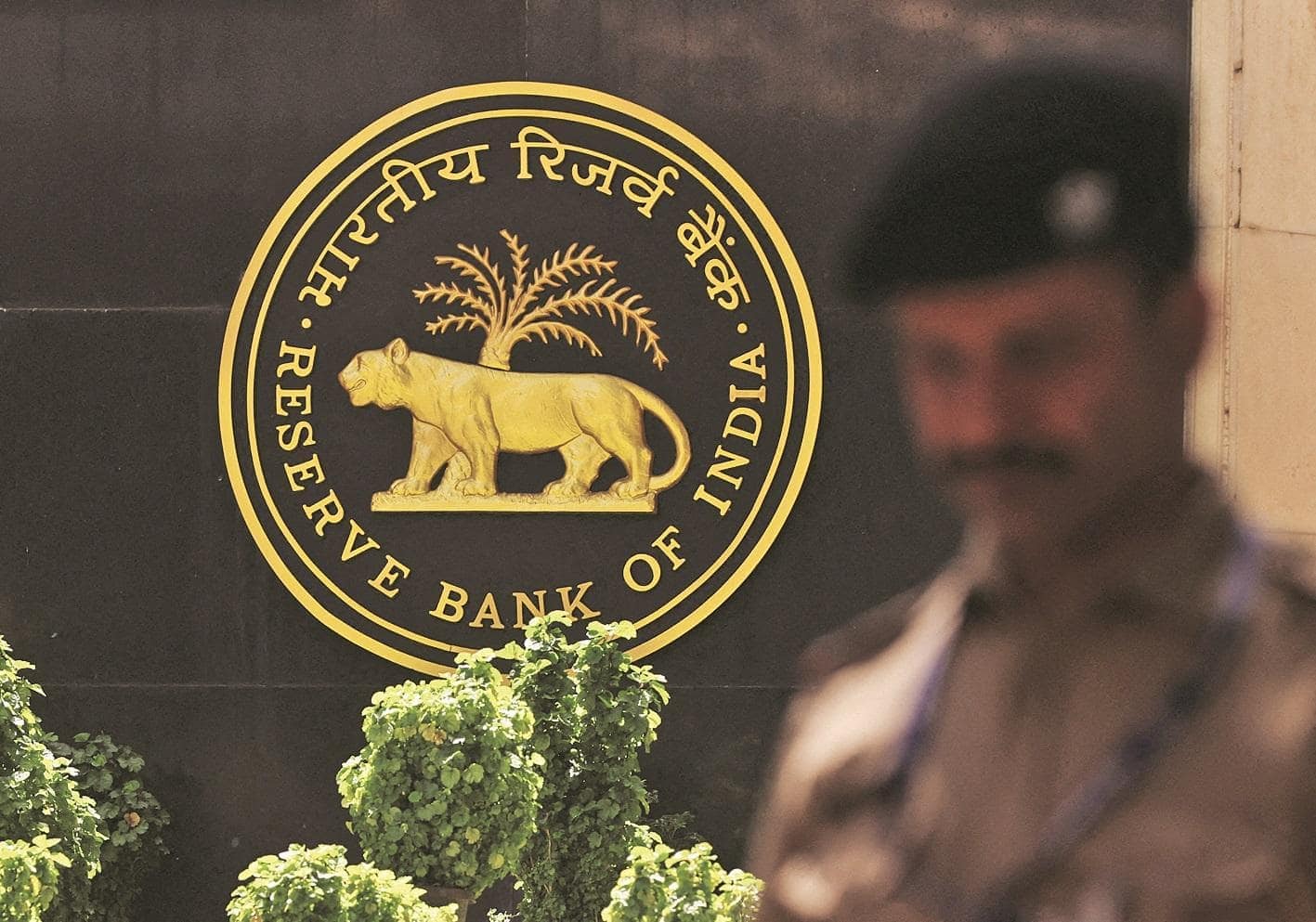


The Reserve Bank of India (RBI) has announced updated guidelines for how banks should calculate operational risk capital, with new rules set to take effect from April 1, 2027. These revisions clarify the classification of various income and expense items, along with rules for valuing derivatives and accounting for losses related to damaged assets.




The RBI’s revised instructions divide the calculation of operational risk capital into three main categories: the Interest, Lease and Dividend Component (ILDC); the Services Component (SC); and the Financial Component (FC). This structured approach aims to improve the consistency and accuracy of risk assessment across Indian banks.
Within the ILDC, banks are required to include all interest income generated from loans, advances, securities, and leases, including financial and operating leases. Interest income from hedge accounting derivatives and other sources also falls under this category. On the expenses side, interest paid on deposits, debt securities, and leases must be accounted for, together with depreciation and impairment losses on operating leased assets.
A significant change concerns the valuation of interest rate derivatives. The RBI mandates that these derivative assets affecting interest income be measured at their fair value rather than at notional amounts. Only positive fair values will be counted in the calculations, while negative fair values cannot be offset.
The Services Component captures income from fees and commissions related to a wide range of banking services. These include securities-related operations, clearing and settlement, asset management, custody services, payment processing, structured finance, securitisation servicing, as well as loan commitments, guarantees, and foreign exchange transactions. Corresponding fee expenses are also included. However, fees paid for outsourcing non-financial services such as IT, logistics, or human resources are excluded from this component.
Under the Financial Component, banks must separately classify profits and losses arising from their trading book and banking book activities, following the RBI’s existing capital adequacy framework. This separation helps to identify risks more clearly associated with different types of financial activities.
Concerning loss data, the RBI has specified the methodology for calculating the internal loss multiplier (ILM), a key factor in the operational risk capital formula. The ILM will be based on 15 times the average annual operational losses, after deducting recoveries. Banks are expected to use ten years of high-quality loss data when available, ensuring that the calculation is grounded in a comprehensive risk history. For institutions adopting the ILM calculation for the first time, a minimum of five years of reliable loss data may suffice.
The guidelines also address how to account for losses from damaged or destroyed assets. If an asset is not repaired or replaced, the loss calculation must include the decrease in its book value along with any cleanup or disposal expenses. If the asset is restored, banks should consider the full repair or replacement cost and any additional associated costs.
RBI officials noted that the mapping of business indicator items to financial statement lines will be indicative at this stage, with further clarifications to be issued later. This phased approach allows banks time to adjust their systems and reporting practices accordingly.
These regulatory changes come as part of the RBI’s ongoing efforts to strengthen risk management practices within the Indian banking sector. Proper operational risk capital assessment is essential to maintaining financial stability and safeguarding against unexpected losses. By refining these norms, the central bank aims to enhance transparency and resilience across the industry.
As banks prepare for the 2027 implementation, they will need to update their internal systems to align with the new classification and valuation requirements. This includes improving data quality for loss histories and ensuring accurate measurement of derivatives and fee-based income.
The banking industry plays a crucial role in the Indian economy, and effective risk management frameworks are vital to supporting sustained growth and protecting depositors. The RBI’s revised operational risk capital rules represent a step forward in this direction, aligning India’s banking standards more closely with global best practices.
What's Your Reaction?
 Like
0
 Dislike
0
 Love
0
 Funny
0
 Wow
0
 Sad
0
 Angry
0



















Comments (0)