
India Likely to Extend Duty-Free Cotton Imports Until December

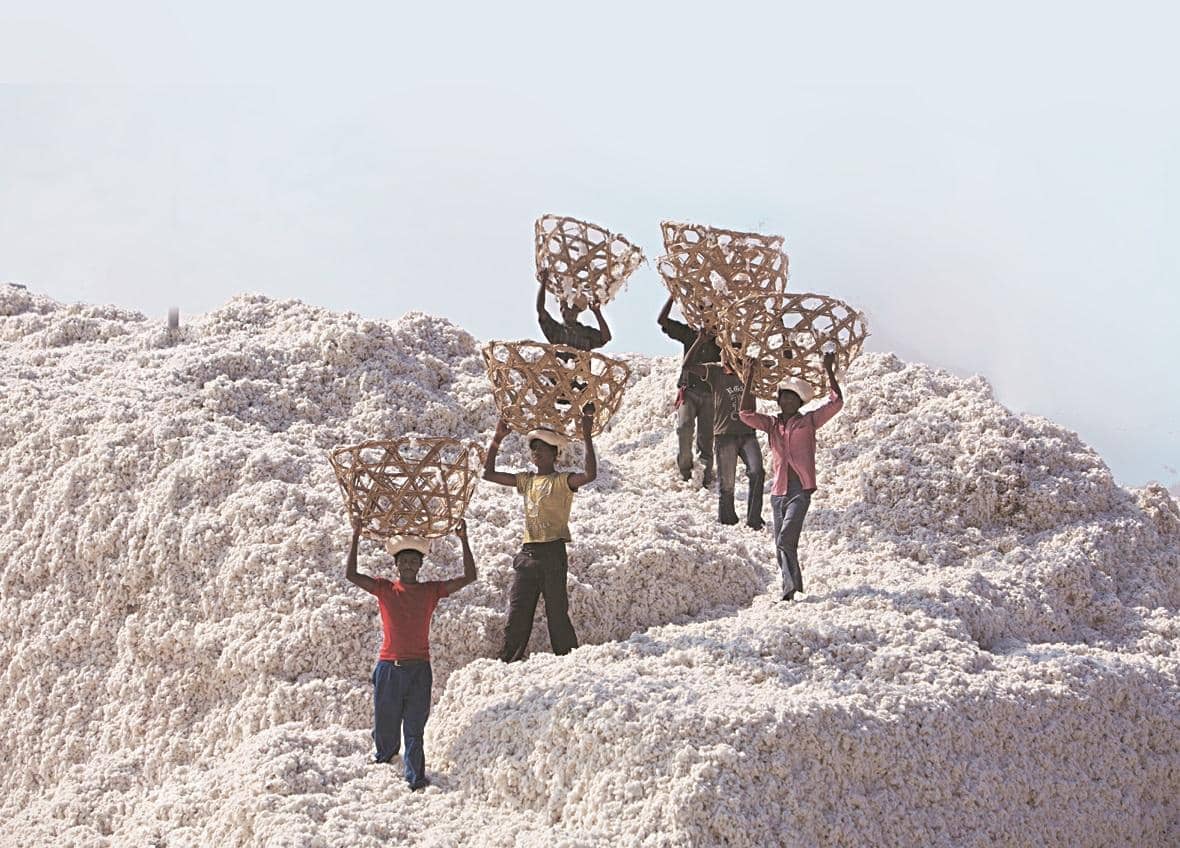
India is poised to continue its exemption on customs duties for cotton imports until the end of December, according to three sources from government and industry circles. This extension aims to reduce input costs for textile manufacturers, moderate domestic cotton prices, and encourage imports from major exporters like the United States, Brazil, and Australia.
As the second-largest cotton producer worldwide after China, India initially waived the 11 percent customs duty on cotton imports for five months starting June 1 and ending October 31. This measure was introduced to augment supply during the period when domestic production is typically low.
Normally, cotton prices in India tend to decline when the new crop arrives around October. However, this year, prices have remained elevated due to forecasts of reduced output. This situation has led textile mills to advocate for an extension of the duty-free import window to secure more affordable raw materials.
Following consultations between various government departments, including finance, commerce, and textiles, the duty exemption is expected to be formally prolonged at least through December. Requests for official comments from the ministries involved have not yet been answered.
Experts suggest that allowing additional imports could help stabilize global cotton prices and relieve upward pressure on domestic rates. This is particularly relevant given the recent rise in Indian cotton prices, which have surpassed ₹9,000 per 100 kilograms ($94.80), exceeding the government’s minimum support price of ₹8,717 for the new season.
Several factors have contributed to the persistently high prices. Reduced domestic production, a declining stock-to-use ratio estimated at around 31 percent—its lowest in five years—and sustained demand from the textile sector have all played roles. Dipanshi Agarwal, principal analyst at S&P Global, noted that while extending the duty exemption could lower domestic prices, it is a necessary step considering the supply constraints.
Trade estimates forecast India’s cotton output to drop below 29 million bales in the 2026-27 season, while demand is expected to exceed 34 million bales. Challenges in production stem partly from the continued use of outdated genetically modified cotton seeds, which leave crops vulnerable to pests and yield losses without newer seed technologies.
On the other hand, several factors might limit the volume of imports even with the extended duty-free period. These include rising benchmark cotton futures in the U.S., which are trading above 83 cents per pound, higher shipping costs, and the depreciation of the Indian rupee. A dealer at a global trading firm highlighted these constraints as potential hurdles for large-scale imports.
Data from the trade ministry reveals that India’s cotton imports surged by 63 percent year-on-year to reach $1.1 billion in the first half of the current fiscal year starting in April. This significant increase reflects the industry’s reliance on imported cotton amid domestic shortfalls.
Industry representatives have voiced support for the government's move. Chandrima Chatterjee, secretary-general of the Confederation of Indian Textile Industry, urged that the import tax be waived for an extended duration to reduce production costs and help Indian textile manufacturers remain competitive against regional rivals like Vietnam and Bangladesh.
The textile sector is a vital component of India's economy, employing millions and contributing substantially to exports. With cotton being a critical raw material, policies affecting its pricing and availability have direct implications on the industry's health and global market participation.
Extending the duty-free cotton import policy reflects the government’s ongoing efforts to balance domestic supply challenges with the needs of the textile sector. This approach aligns with broader trends where countries adjust import tariffs to manage commodity prices and support key industries during times of fluctuating production and demand.
What's Your Reaction?
 Like
0
 Dislike
0
 Love
0
 Funny
0
 Wow
0
 Sad
0
 Angry
0









Comments (0)