


Indian First-Time Car Buyers Now Spending ₹5-8 Lakh on Vehicles

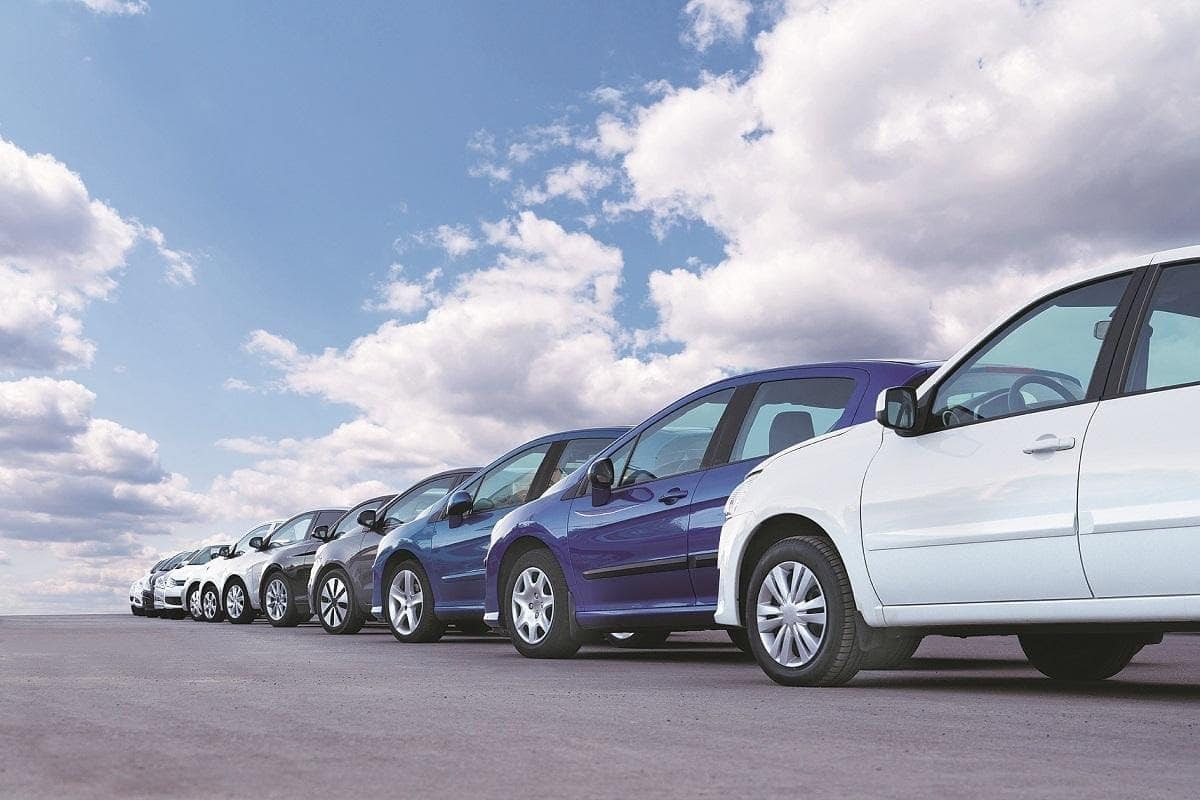


In India, the spending habits of first-time car buyers are undergoing a significant transformation. According to Kotak Mahindra Prime Ltd. (Kotak Prime), younger buyers are now typically investing between ₹5 lakh and ₹8 lakh on their initial vehicle, a substantial increase from the ₹1.5 lakh to ₹2.5 lakh range seen about ten years ago. This trend is being driven by a combination of improved financing options, heightened aspirations, and increased demand for advanced safety, technology, and comfort features.




Suraj Rajappan, managing director and CEO of Kotak Mahindra Prime, notes that the first-car market is evolving as younger consumers in their mid-20s to early 30s seek more than just basic transportation. Instead of entry-level cars, they are gravitating towards compact sports utility vehicles (SUVs) and models equipped with enhanced features. This change reflects a shift in priorities, where buyers evaluate factors like interior space, safety systems, connectivity options, and resale value in addition to the purchase price.
Rajappan explains, "The first-car category has evolved, and this change is reshaping the wider auto market. Younger buyers are entering the market sooner, spending more, and opting for vehicles with better specifications. They are also leveraging financing options to align their aspirations with affordable monthly instalments." A decade ago, first-time buyers primarily selected cars priced at ₹1.5 lakh to ₹2.5 lakh. Now, many are starting their search in the ₹5 lakh to ₹8 lakh bracket, with some willing to invest even more for compact SUVs or higher-end variants.
One factor facilitating this upward movement is the broader variety of vehicles available on the market today. Features such as infotainment systems, connectivity modules, convenience functions, and advanced safety equipment play an increasingly prominent role in the decision-making process early in the ownership journey. Young buyers expect their first car to fulfill multiple roles, including daily commuting, family outings, and leisure drives.
Financing options have also adapted to support higher vehicle prices. Kotak Prime has observed an increase in loan sizes for first-time car buyers, alongside a growing acceptance of extended loan tenures ranging from five to seven years. These longer repayment periods help reduce monthly equated instalments (EMIs), making pricier cars more accessible. While this approach can result in increased total interest payments over time, the monthly affordability often takes precedence in buyers' decisions.
Moreover, Kotak Prime reports that younger borrowers generally maintain strong repayment discipline, though the lender has not disclosed specific data on loan amounts, EMI averages, default rates, or the proportion of loans using extended tenures.
The expanding market for used cars is also broadening first-time buyers' options. Organised pre-owned vehicle platforms offer access to premium models like SUVs or mid-sized cars at prices that may produce monthly instalments comparable to those of entry-level new vehicles. Certified inspections, warranties, transparent pricing, and digital platform discovery have helped alleviate concerns traditionally linked to purchasing used cars.
This secondary market can be an attractive alternative for buyers seeking more space or features without dramatically increasing monthly expenses. However, total ownership costs depend on the condition of the vehicle, maintenance needs, financing terms, and potential resale value.
The shift toward higher-priced first cars highlights changing expectations among young consumers. Increasingly, buyers consider how long a vehicle will meet evolving personal and family needs amid changes in work and travel patterns. Safety, comfort, technology, and resale prospects now play essential roles alongside affordability in influencing purchases.
According to Kotak Prime, factors such as rising aspirations, earlier workforce entry, the rise of dual-income households, and growing urban mobility requirements contribute to this evolution. For many young Indians, the first car is no longer merely a basic means of transport; it is a longer-term lifestyle investment that reflects their priorities and ambitions.
What's Your Reaction?
 Like
0
 Dislike
0
 Love
0
 Funny
0
 Wow
0
 Sad
0
 Angry
0













Comments (0)