


Fed Officials Discuss Timing and Risks of Future Interest Rate Moves

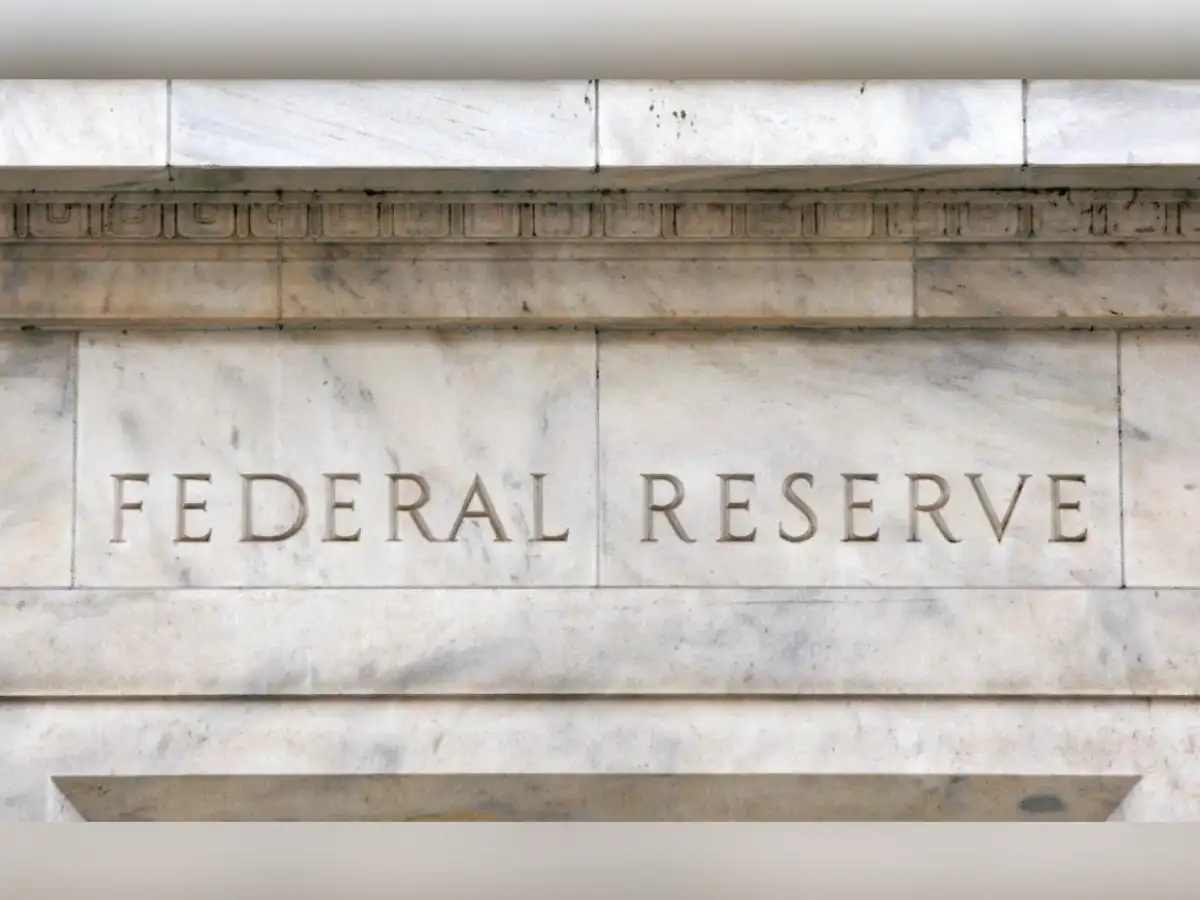


John Williams, President of the Federal Reserve Bank of New York, stated that the Federal Reserve has sufficient time to analyze incoming economic data before deciding on another interest rate increase. Speaking at an event held at the University at Buffalo, New York, Williams emphasized that following the Fed's recent rate hike in September, there is no immediate need to raise rates again.




Williams said the pause allows policymakers to gain better clarity on how the economy is performing. He noted, "If the economy evolves in a manner broadly consistent with my forecast, one further upward adjustment of the federal funds target range may be appropriate late this year to support a timelier return of inflation to target." He added that this is simply his forecast and that future decisions will depend on the totality of data.
This cautious tone contrasts somewhat with market expectations, as financial markets currently price in a high likelihood of another rate increase in October following the quarter-point hike in September that lifted the federal funds target range to 3.75% to 4.00%. Williams’ comments suggest that the Fed does not have to act with urgency despite these market anticipations.
Williams underscored the importance of bringing inflation back to the Fed’s 2% target on a sustained basis. Inflation has remained above target for over five years, driven by factors such as trade tariffs implemented during the Trump administration, and increasing energy prices linked to geopolitical tensions in the Middle East. These factors have exacerbated price pressures this year.
He expressed concern about inflationary disturbances becoming entrenched and the risk of second-round effects boosting inflation expectations. In addition to trade-related pressures, Williams mentioned that investment in artificial intelligence is also contributing to inflationary trends. However, he noted that tariff pressures have largely eased as long as no new import taxes are introduced.
Williams projected inflation to finish the year around 3.5%, before easing in 2024 and eventually returning to the 2% target by 2028. On economic growth, he forecast a 2.25% expansion for 2023. He highlighted demographic trends such as immigration patterns, an aging workforce, and modest productivity gains as factors that will restrain the economy’s growth potential. He anticipates the unemployment rate will hold steady at approximately 4% next year.
Meanwhile, Austan Goolsbee, President of the Federal Reserve Bank of Chicago, offered a more cautionary viewpoint regarding inflation. He described the prolonged period of inflation exceeding the Fed’s target as "playing with fire." Goolsbee stressed that persistent inflation above target for over five years is a serious concern and warned that policymakers might need to respond to ongoing supply-side shocks that have lasting effects on prices.
Although Goolsbee considers himself relatively optimistic about the future path of interest rates, he emphasized that the Fed must see clear evidence that inflation is declining before contemplating any rate cuts. "We’ve got to get some evidence that inflation is coming back down, that these things that are supposed to be temporary are in fact going away," he said.
The remarks from both Fed officials underline the delicate balancing act the central bank faces. On one hand, they want to avoid acting hastily and over-tightening monetary policy, which could slow economic growth unnecessarily. On the other, the risk of entrenched inflation expectations remains a serious concern that may compel the Fed to maintain or increase rates until price pressures clearly diminish.
The Federal Reserve has been steadily raising rates since early 2022 in an effort to tame inflation that surged to multi-decade highs. This tightening cycle has been closely watched by markets, businesses, and consumers alike, as borrowing costs rise and the economic outlook shifts accordingly.
Both Williams’ and Goolsbee’s statements reflect ongoing debates within the Fed about the timing and scale of future rate moves. As the year progresses, new economic data on inflation, employment, and growth will be critical in shaping the central bank’s next steps.
What's Your Reaction?
 Like
0
 Dislike
0
 Love
0
 Funny
0
 Wow
0
 Sad
0
 Angry
0















Comments (0)