


US Stocks Dip as Treasury Yields Climb Near Multi-Decade Highs

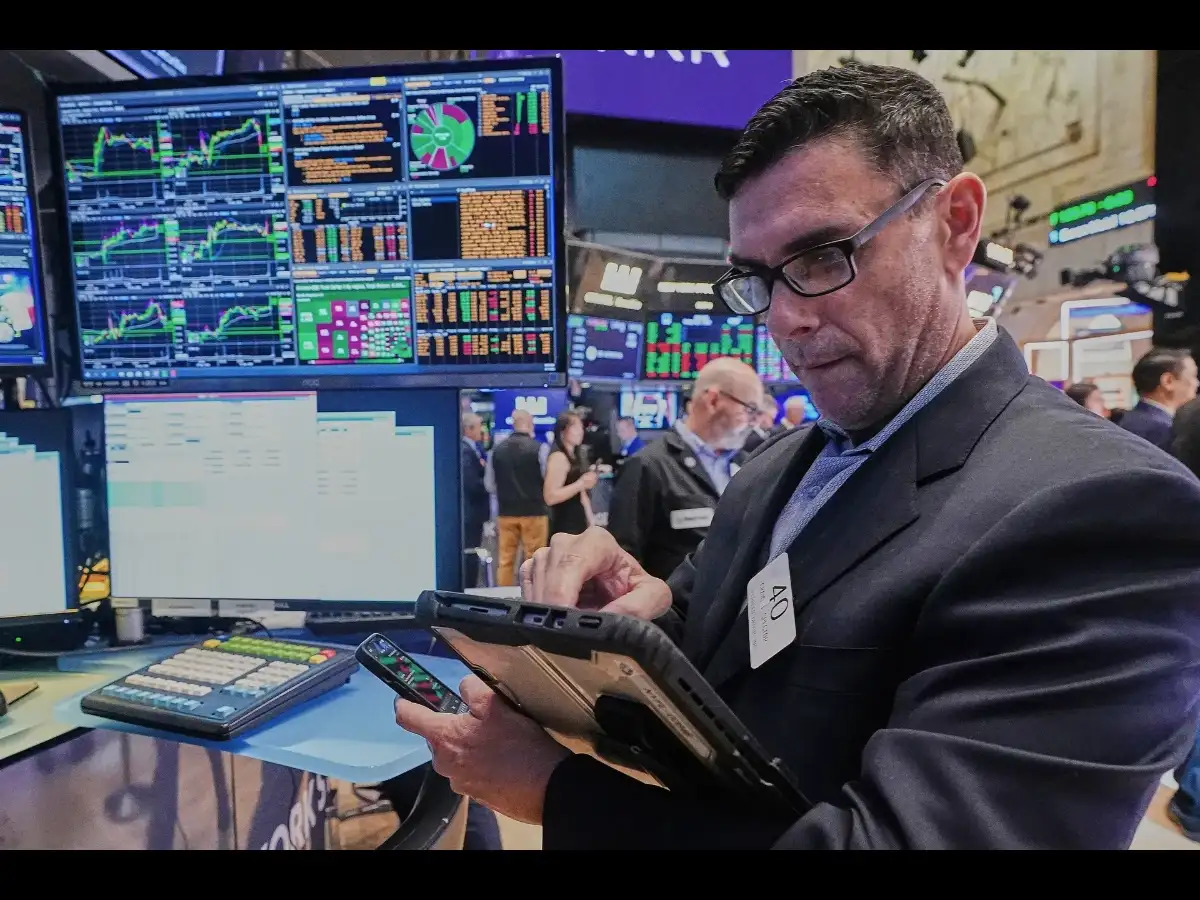


US equity markets ended modestly lower on Tuesday, pressured by climbing government bond yields and cautious investor sentiment ahead of critical economic data on inflation and employment. The ongoing rise in Treasury yields, approaching levels not seen in decades, combined with nuanced remarks from Federal Reserve officials, contributed to a subdued session.




Yields on long-term US government bonds pushed higher, with the 30-year Treasury yield reaching 5.6206%, marking its highest point since June 2002. Similarly, the benchmark 10-year Treasury yield rose to 5.293%, its loftiest level since June 2007. These increases reflect growing market concerns about inflation and potential future interest rate hikes.
Though yields retreated slightly from their intraday peaks, short-term yields declined on the day. This shift coincided with a pullback in oil prices, which eased on indications of improving exports from the Middle East. Comments from Federal Reserve Bank of New York President John Williams also helped temper rate hike expectations. Williams emphasized the central bank's willingness to carefully assess incoming data before deciding on further interest rate adjustments.
Market forecasts for a 25 basis point Fed rate increase in October fell to 51.5%, down from nearly 70% earlier, according to the CME FedWatch tool. This adjustment followed Williams's remarks and reflects investors’ recalibrated outlook amid mixed signals.
Oil prices had surged earlier in the month amid diminishing hopes for a US-Iran peace agreement, which had initially raised expectations of increased supply. The recent rise in crude and diesel prices fueled concerns about sustained inflation pressures, which in turn pushed Treasury yields higher. Federal Reserve officials have indicated that additional rate hikes may be necessary if inflation does not ease after the recent 25 basis point increase.
This week is packed with important economic releases that could influence the Fed's policy direction. Among them, the Personal Consumption Expenditures (PCE) Price Index report, scheduled for Wednesday from the Commerce Department, is highly anticipated. Labor market data, including the government payrolls report due on Friday, will also provide key insights into economic health and price pressures.
Tim Ghriskey, senior portfolio strategist at Ingalls & Snyder in New York, highlighted the significance of the upcoming PCE data. He noted that consumers are feeling squeezed by higher interest rates and elevated fuel costs, which could pressure consumer-related stocks. "The negativity from consumers is mounting," Ghriskey said. "We might see some selling pressure in consumer sectors if these trends continue."
Rising yields tend to increase borrowing costs and may make bonds more attractive relative to stocks. This dynamic can negatively affect corporate earnings by raising financing expenses, adding to the challenges faced by equity markets.
On the day, the S&P 500 declined by 11.12 points, or 0.14%, closing at 7,672.57. The Nasdaq Composite slipped 17.72 points, or 0.08%, to 26,802.66, while the Dow Jones Industrial Average dropped 136.10 points, or 0.26%, to finish at 51,345.41.
Two key reports also shed light on the labor market and consumer sentiment. The Labor Department's Job Openings and Labor Turnover Survey (JOLTS) showed job openings fell by 256,000 in August to 7.079 million, below economists’ expectations of 7.225 million. This decline suggests easing labor demand.
Meanwhile, the Conference Board reported that US consumer confidence plunged to its lowest level in over 12 years during September. The survey indicated households anticipate worsening business and labor market conditions over the next six months, influenced by ongoing geopolitical tensions related to the Iran conflict and rising interest rates.
Federal Reserve officials have expressed differing views on future rate moves. While Williams advocated patience, others like Fed Governor Michael Barr signaled that more hikes are likely necessary. Chicago Fed President Austan Goolsbee warned that tolerating inflation above target for an extended period is risky, underscoring the ongoing debate within the central bank.
In equity sector news, AI-related stocks drew attention as Anthropic, an artificial intelligence lab, filed its initial public offering prospectus. The document revealed rapid growth over the past year but also wider losses. The company aims for a valuation exceeding $2 trillion, which could set a standard for Wall Street's assessment of AI innovators.
Meta Platforms shares rose despite new competition from OpenAI, which introduced always-on agent technology called dots that autonomously pursue user goals across applications. This move challenges Meta’s recently launched Muse product.
Among other notable movers, used-car retailer CarMax saw gains after reporting improved second-quarter profit and revenue. Conversely, credit scoring firm Fair Isaac Corp dropped sharply after the Federal Housing Finance Agency announced plans to consolidate pricing grids for government-sponsored mortgage enterprises Fannie Mae and Freddie Mac.
Overall, the combination of rising bond yields, mixed central bank messaging, and cautious economic indicators kept US stock markets under pressure on Tuesday. Investors are now awaiting this week’s major data releases for clearer signals on the path of monetary policy and economic momentum.
What's Your Reaction?
 Like
0
 Dislike
0
 Love
0
 Funny
0
 Wow
0
 Sad
0
 Angry
0


















Comments (0)