


The Lifecycle of Diwali Gifts: From Giving to Resale and Reuse

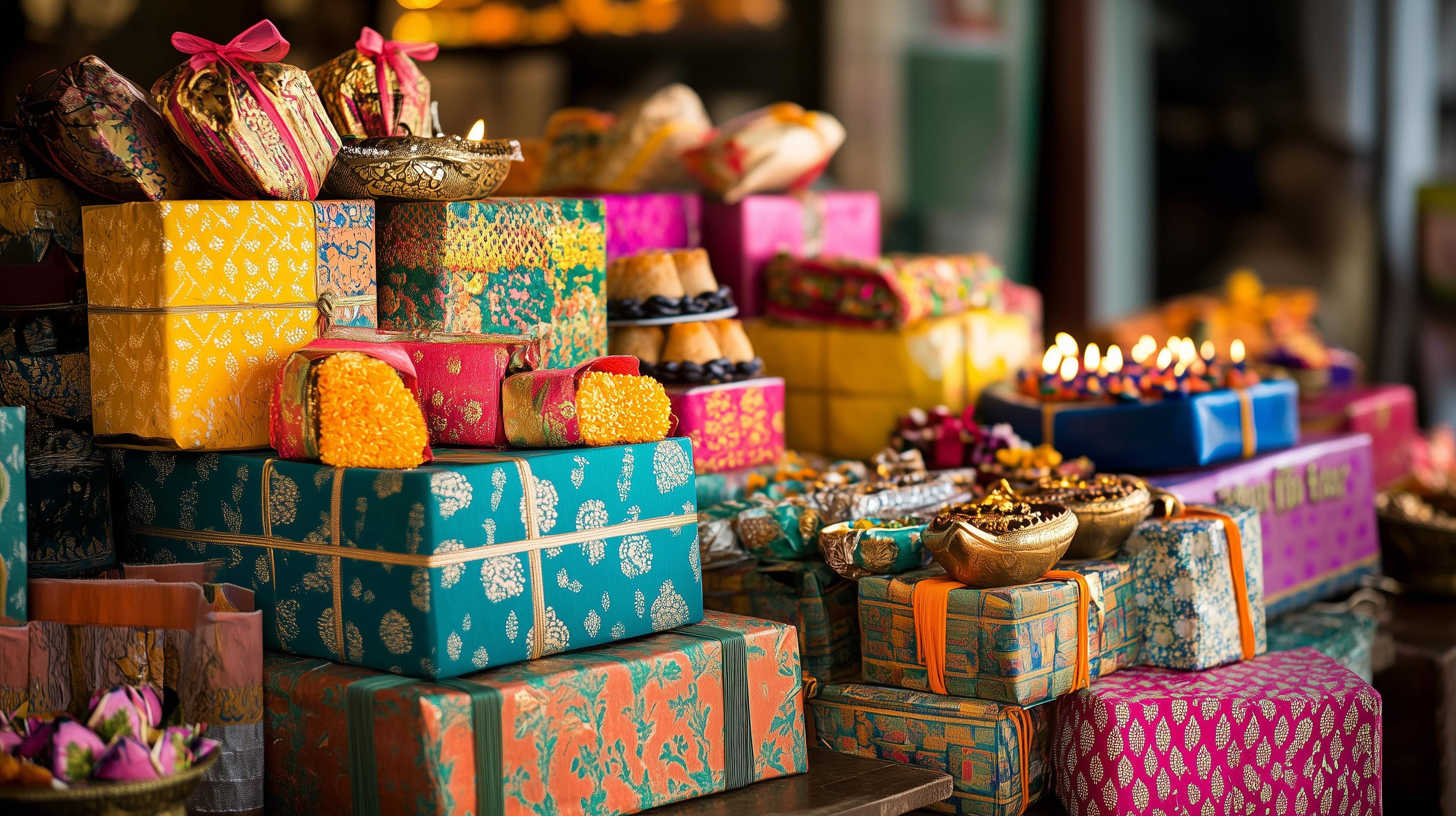


What becomes of gifts once the festivities end? While some presents are quickly consumed or used, others linger unused—an elegant watch left unworn, a painting that clashes with home decor, or a dinnerware set that never sees the table. These items often end up tucked away or forgotten, but their story does not have to stop there.




Many gifts can enjoy a second life through resale, exchange, or donation. A compelling example recently took place at the National Gallery of Modern Art in New Delhi, where an exhibition featuring gifts presented to Prime Minister Narendra Modi was inaugurated by Union Culture Minister Gajendra Singh Shekhawat. The collection, including paintings, sculptures, and handicrafts, is being auctioned through the PM Mementos E-Auction 2026. The proceeds will support the Namami Gange programme, demonstrating how gifts can serve a greater purpose beyond their original intent.
Shekhawat emphasized that even gifts can be redirected to meaningful causes, highlighting the potential impact of repurposing items. This initiative exemplifies how a gift, initially a token of appreciation, can acquire new significance, benefit new owners, and contribute to public welfare.
As India approaches the festive season marked by Diwali and numerous weddings, millions spend considerable sums on presents. However, the conversation rarely extends to what happens after gifts are unwrapped. Unwanted or duplicate items often enter a growing secondary market where they can be resold, exchanged, or refurbished.
Karan Chechi, CEO of TechSci Research, estimates that festive e-commerce sales will reach between ₹1.55 trillion and ₹1.60 trillion this season, up from ₹1.24 trillion the previous year. Separately, India’s recommerce market, which includes reselling pre-owned goods beyond just gifts, is projected to grow from $5.02 billion in 2025 to $9.07 billion by 2030. This indicates a rising opportunity to recapture value from unused festive purchases.
Several brands have adapted to this trend. Companies like Apple, Samsung, and Xiaomi offer trade-in programs for smartphones, while platforms such as Cashify facilitate device buybacks. IKEA runs furniture resale initiatives, and jewelers like Tanishq and CaratLane provide gold exchange services. Chechi suggests that introducing gift receipts, longer exchange periods, instant resale valuations, and refurbishment options could further boost this secondary market’s accessibility.
Luxury items often find new life this way. Punit Anand, founder of The LuxuryPop, a resale platform for authenticated designer products, notes that luxury handbags, wallets, and accessories from brands like Gucci and Louis Vuitton frequently enter the resale market after being received as gifts. For example, a Gucci wallet valued at ₹45,000 can be difficult to exchange without a purchase receipt, so reselling becomes a practical alternative. Such items, usually in new condition and priced below retail, tend to sell quickly.
Resale benefits both sellers and buyers. Recipients recover some monetary value from possessions they do not need, while buyers gain access to luxury goods at a discount. This practice also prevents valuable products from languishing unused.
Some gifts can also function as assets that preserve or grow wealth. Keval Bhanushali, co-founder of 1 Finance, explains that certain types of gifts—gold, rare watches, fine art, and collectibles—can retain value over time. While gifts differ from investments, precious metals have inherent worth tied to market prices. Jewelry often sells for less than the purchase price due to making charges, and most luxury handbags and watches depreciate, although rare models may appreciate. The value of art and antiques depends on factors such as authenticity, provenance, and demand.
Tax rules add complexity. In India, gifts from specific relatives are usually exempt from income tax, but gifts from non-relatives exceeding ₹50,000 may be taxable. Selling gifted assets can trigger capital gains tax, involving calculations based on acquisition costs and holding periods.
Bhanushali also points out the cultural importance of passing down valuables like jewelry and silverware through generations, which carry sentimental and historical significance. Conversely, corporate gifts with prominent logos often have limited appeal outside their initial recipients.
Not every gift’s value lies in its resale price. Avi Kumar, Chief Marketing Officer of FNP, believes that the emotional connection often determines whether a gift is cherished or forgotten. Personalized, thoughtful gifts tend to be kept and appreciated. Presentation, craftsmanship, and relevance play key roles. Sometimes, a gift’s afterlife is emotional—a memory of a surprise or a gesture of care.
Kumar emphasizes that the true luxury of gifting is the attention given to the recipient, not the price tag. A well-chosen gift conveys a simple but powerful message: "I thought of you."
This raises a question about gifting habits. If thoughtfulness matters most, why are so many gifts unused or unwanted?
Unwanted presents also have environmental impacts, including production, packaging, and transportation. Sustainability expert Rashi Grover from Delhi advocates for gifts that are handmade, upcycled, plant-based, or designed for long-term use as greener alternatives.
As Diwali and other festive occasions approach, considering the second life of gifts can help reduce waste, preserve value, and add meaning to the tradition of giving.
What's Your Reaction?
 Like
0
 Dislike
0
 Love
0
 Funny
0
 Wow
0
 Sad
0
 Angry
0














Comments (0)