


Indian Rupee Gains 20 Paise to 94.79 Against US Dollar Early Friday

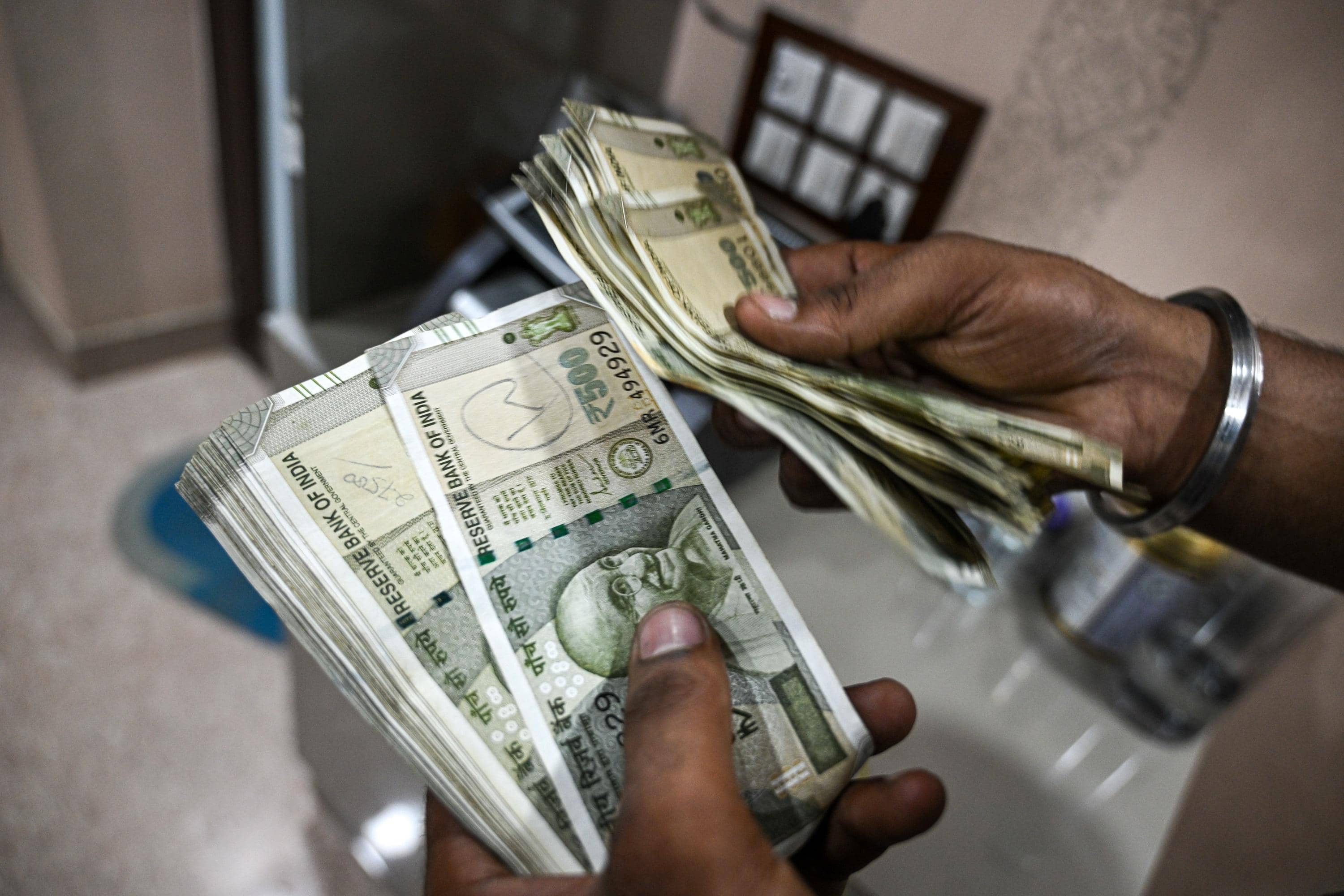


The Indian rupee strengthened by 20 paise to reach 94.79 against the US dollar during early trading on Friday. This improvement came as the American currency eased and the Reserve Bank of India's targeted foreign exchange interventions helped support the local currency. Additionally, a decline in US Treasury yields contributed to the rupee's gains.




Despite these positive factors, the rupee’s upward momentum was somewhat restrained by rising crude oil prices and a drop in equity markets, which limited further appreciation. The interbank foreign exchange market saw the rupee open at 94.75 before touching a high of 94.79, marking an improvement from the previous closing figure.
On Thursday, the rupee had already shown strength, gaining 18 paise to close at 94.99 against the US dollar. Analysts attribute this progress to a softer dollar index and the easing of US Treasury yields, which generally reduce the appeal of the US currency and support emerging market currencies like the rupee.
Anuj Choudhary, a Research Analyst at Mirae Asset Sharekhan, explained, "The decline in the dollar index and softening of US Treasury yields supported the rupee. However, a spike in crude oil prices capped sharp gains." He added that recent US economic data showed mixed signals. The Producer Price Index (PPI) came in hotter than expected, indicating inflationary pressures at the wholesale level, while retail sales surprised on the upside, suggesting steady consumer demand. Weekly unemployment claims aligned with forecasts, reflecting stability in the labor market.
The dollar index, which measures the greenback’s strength against a basket of currencies, has been under pressure lately, influenced by these economic indicators and shifting expectations about US monetary policy. Lower US Treasury yields typically make the dollar less attractive to investors, prompting capital flow into currencies like the rupee.
Crude oil prices remain a significant factor in the rupee's movement. India is a major importer of crude oil, and rising oil prices tend to widen the trade deficit and exert downward pressure on the rupee. The recent surge in crude values has limited the rupee’s ability to gain further ground despite favorable forex market conditions.
Meanwhile, the Reserve Bank of India has been actively engaged in structural forex interventions to moderate volatility and ensure orderly market conditions. These interventions aim to reduce excessive fluctuations in the rupee’s exchange rate and support economic stability.
Looking at the broader context, currency fluctuations have important implications for India’s trade and inflation outlook. A weaker rupee can raise import costs, especially for energy, which can feed into domestic inflation. On the other hand, a stronger rupee helps keep import prices in check and supports investor confidence.
The rupee’s performance will continue to be influenced by global factors such as US dollar trends, crude oil price movements, and geopolitical developments, as well as domestic economic policies and RBI actions. Investors and market participants will closely monitor these variables for indications of the currency’s trajectory in the near term.
In summary, the rupee’s modest gains against the dollar on Friday reflect a combination of external headwinds and domestic support measures. While the softening US dollar and RBI’s forex interventions provided relief, the impact of global oil prices and equity market dynamics remain key challenges for the currency’s appreciation.
What's Your Reaction?
 Like
0
 Dislike
0
 Love
0
 Funny
0
 Wow
0
 Sad
0
 Angry
0


















Comments (0)