


Rupee Stabilizes Amid RBI Intervention but Market Pressures Persist

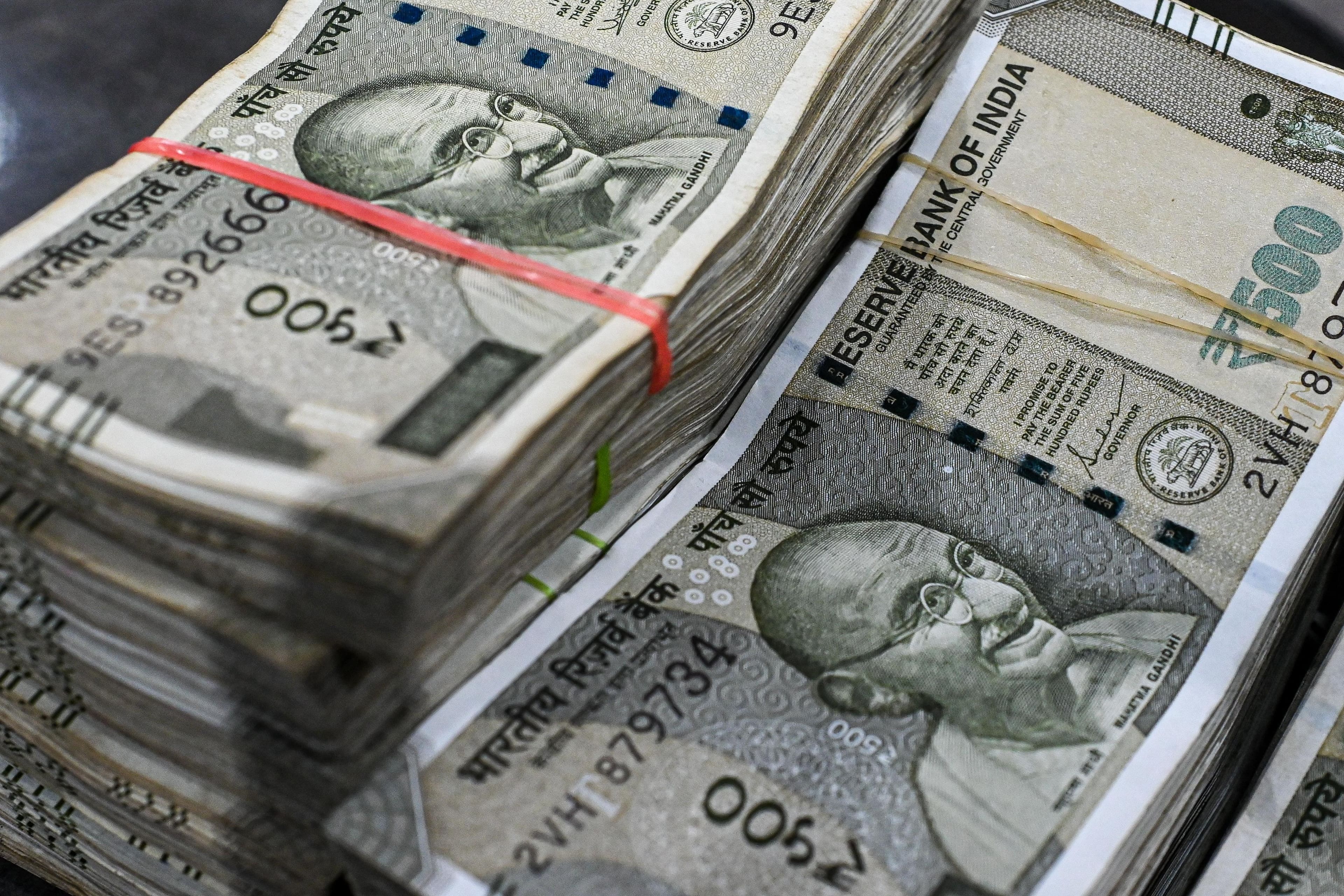


The Indian rupee has seen a modest recovery after the Reserve Bank of India (RBI) undertook its most forceful defense of the currency since 2013. While this intervention has provided some breathing room, it comes with significant consequences for market liquidity and borrowing costs.




In an effort to reduce speculative demand for the US dollar and limit oil companies’ purchases in the spot market, the RBI introduced measures that have, intentionally or not, curtailed normal trading and hedging activities. These actions have reduced the usual market mechanisms that absorb currency fluctuations, raising concerns about the sustainability of the rupee’s current levels.
Despite the RBI’s interventions, the underlying issues weighing on the rupee remain unaddressed. High global oil prices, persistent inflation, and capital outflows continue to exert downward pressure on the currency. These factors create a challenging environment that simple defensive tactics cannot fully resolve.
Liquidity in certain segments of the foreign exchange market has tightened sharply, while the cost of hedging currency exposure has surged to levels unseen since 2016. Bond yields in India have climbed to their highest point in over three years, reflecting investor caution amid these pressures.
Aaron Hurd, senior portfolio manager for currency at State Street Investment Management, cautions that without fundamental improvements in inflation, real interest rates, or broader economic conditions, the rupee’s weakness is likely to resurface. He projects the currency could weaken to a range of 99 to 100 per US dollar over the next year, up from around 95 currently. Yet, much of this depreciation appears to be priced into the forward market, leading him to maintain a neutral stance on the rupee at present.
This week, the rupee has appreciated approximately 1.8 percent, marking its strongest performance since April and positioning it as the best-performing currency in the region. Prior to the RBI’s recent measures, the rupee was approaching 97 to the dollar despite a substantial $133 billion diaspora deposit program and a central bank rate hike—the first in nearly four years. These factors raised concerns that crossing 97 could accelerate losses toward the psychologically significant 100 mark.
However, the spot market rebound has not diminished expectations of further depreciation. Importers and banks continue to seek protection from potential declines in the rupee’s value, increasing demand for dollars in the forward market. This has pushed hedging costs to their highest levels in several years.
According to Abhishek Goenka, CEO of forex advisory firm IFA Global, the forwards market has become highly dislocated. Short-term forward premiums have surged, creating unusual pricing dynamics where it may be cheaper for companies to borrow in rupees and swap into dollars than to borrow directly in US currency. Meanwhile, trading volumes and overall activity have dropped significantly. Goenka advises clients to limit hedging to immediate exposure needs.
Indian government bonds have also felt the strain. Yields have risen sharply, driven by elevated oil prices and continuous foreign outflows. This environment has fueled speculation that the RBI will need to rely more heavily on interest rate hikes, as currency market interventions alone seem insufficient to contain rupee depreciation pressures.
Anshul Chandak, head of treasury at RBL Bank, notes that treasury desks may face subdued foreign exchange business and potential losses on fixed income trades during the October to December quarter. He acknowledges the difficulty of the current situation, stating, "We will have to swallow poison for long-term gain." Chandak emphasizes that monetary policy steps must be paired with fiscal reforms to attract sustained foreign investment.
The tightening liquidity and higher hedging costs have prompted banks to raise concerns with the RBI, seeking clarity on the scope of recent restrictions. The central bank responded by confirming that the measures apply specifically to derivatives used for foreign exchange risk hedging and do not restrict banks’ market-making activities.
If liquidity remains constrained and hedging expenses stay elevated, companies and investors might demand higher returns on rupee assets or hesitate to increase their exposure. This scenario risks leaving the rupee vulnerable once RBI support is withdrawn.
Shamaila Khan, head of global emerging markets and Asia Pacific fixed income at UBS Asset Management, highlights the importance of transparent policies and efficient hedging frameworks for investor confidence. While UBS’s strategic view on India remains unchanged, Khan notes that higher hedging costs will raise the required returns from Indian investments.
For now, the RBI’s decisive stance appears to be capping the dollar-rupee exchange rate around 96, according to Guan Yi Low, head of Asia fixed income at M&G Investments. Though government bond yields remain attractive relative to peers, further buying is unlikely until liquidity conditions improve or the rupee’s outlook becomes clearer. Low remarks, "We agree that the INR’s recent underperformance is excessive. However, a reversal looks difficult until global oil prices stabilize and India’s capital account flows improve beyond temporary measures."
The RBI’s recent actions underscore the complex balancing act faced by emerging market central banks dealing with external pressures. While short-term interventions can provide relief, durable currency stability often requires addressing fundamental economic factors and maintaining investor confidence through policy clarity and market liquidity.
What's Your Reaction?
 Like
0
 Dislike
0
 Love
0
 Funny
0
 Wow
0
 Sad
0
 Angry
0

















Comments (0)