


NITI Aayog Calls for Fiscal Autonomy to Reform Urban Governance

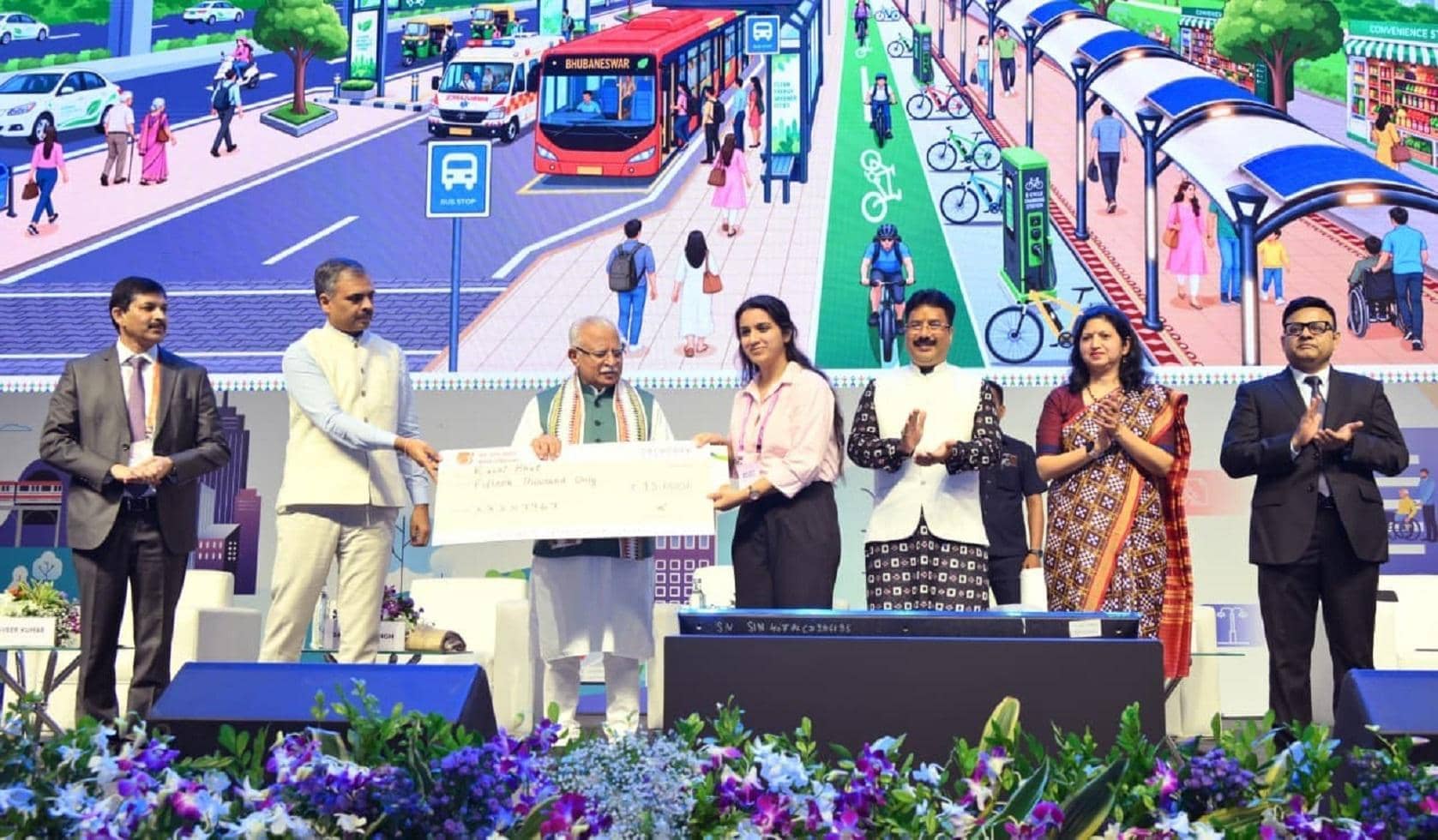


India's urban governance system requires significant reform to meet the challenges posed by rapid urbanization, according to the National Urban Conclave 2026, which concluded recently. A central recommendation from the conclave highlighted the need for city governments to have greater authority, directly elected mayors serving five-year terms, enhanced financial independence for urban local bodies, and a move towards integrated land-use planning.




Rajiv Gauba, a member of NITI Aayog, emphasized that cities cannot be effectively managed from distant state capitals. He argued that urban administrations must be equipped with the necessary powers, resources, and institutional capabilities to address the specific needs of their communities. Gauba called on state governments to implement structural reforms in municipal administration, including adopting the Mayor-in-Council system, ensuring timely municipal elections, and linking financial assistance under national urban programs to these reforms.
He further stressed the importance of states devolving all 18 functions to urban local bodies as outlined in the 74th Amendment of the Indian Constitution. These functions include critical areas such as master planning, water supply, fire services, and traffic management. This push for decentralization is particularly urgent given projections that India's urban population will increase from approximately 500 million today to 850 million by 2050, with nearly half the nation's population residing in cities.
Addressing the conclave's valedictory session, Gauba noted that meeting the rising demand for housing, transport, sanitation, and water supply requires a break from traditional urban development strategies. India's total population is expected to grow until around 2060, eventually stabilizing at about 1.65 billion. The scale of this demographic shift necessitates strengthening the institutions that manage urban growth.
The recommendations stem from the joint NITI Aayog and Ministry of Housing and Urban Affairs (MoHUA) report, Moving Towards Effective City Governance. Gauba highlighted that institutional empowerment must be accompanied by adequate staffing, financial backing, and accountability to improve municipal service delivery and engage citizens more meaningfully.
Municipal finance is a persistent weakness in urban governance. Gauba urged better collection of property taxes and user fees to enhance the revenue base of urban local bodies, reducing their reliance on transfers from higher government levels. Although grants from the Central Finance Commission to urban local bodies have increased significantly—rising from a 36 percent share to 45 percent—state-level fiscal devolution remains insufficient. He recommended regular establishment of State Finance Commissions, whose recommendations should lead to predictable and adequate financial transfers to municipalities.
On urban planning, Gauba called for revising floor area ratio (FAR) limits and building regulations that restrict land supply and inflate housing and commercial costs. He encouraged states to support mixed-use development, higher density near transit hubs, and land pooling to boost land availability and affordability while promoting economic activity.
Describing cities as hubs where talent, capital, and innovation converge, Gauba highlighted the need for expanding affordable rental housing for migrant workers, industrial laborers, students, and young professionals. He urged states to adopt the Model Tenancy Act to increase rental housing options.
Since 2014, central government initiatives such as the Smart Cities Mission, Atal Mission for Rejuvenation and Urban Transformation (AMRUT), Pradhan Mantri Awas Yojana, and Swachh Bharat Mission have significantly increased support for urban development. The urban sector’s budget has grown tenfold during this period, and investments totaling around ₹3.7 trillion have gone into metro rail and bus infrastructure.
The current year's budget includes the launch of an Urban Challenge Fund with a corpus of ₹1 trillion and a ₹5,000 crore allocation each for seven city economic regions over five years. Gauba pointed out that while these funds create opportunities for cities to evolve as growth centers, their success will depend on effective planning, financing, and implementation by state and municipal governments.
Union Housing and Urban Affairs Minister Manohar Lal, speaking at the conclave’s closing session, stressed the importance of affordable housing located near employment hubs and public transport. He also emphasized sustainable construction methods and scientific cleanup of legacy waste sites.
The conclave featured seven technical sessions that generated recommendations on topics including pedestrian infrastructure, water and waste management, affordable housing, integrated development, municipal service delivery, building regulations, and municipal legislation. Participants from various sectors agreed that urban governance should shift focus from solely completing infrastructure projects to improving the quality and reliability of services delivered to citizens.
A key proposal was to update the Model Municipal Law of 2003 through consultations with states and create frameworks to support implementation. Calls were made for specialized municipal cadres, enhanced local revenue generation, and establishing a national framework for accountable, citizen-focused urban services.
Satendra Singh, secretary in MoHUA's Department of Urban Development, echoed the sentiment that success should be measured by service quality rather than just project completion. He stressed the need to strengthen institutional capacity, improve coordination among agencies, enhance municipal finances, and ensure accountability to turn policy recommendations into tangible urban improvements.
What's Your Reaction?
 Like
0
 Dislike
0
 Love
0
 Funny
0
 Wow
0
 Sad
0
 Angry
0


















Comments (0)