


NSE IPO Fees: 20 Bankers Earn ₹186 Crore in Commissions

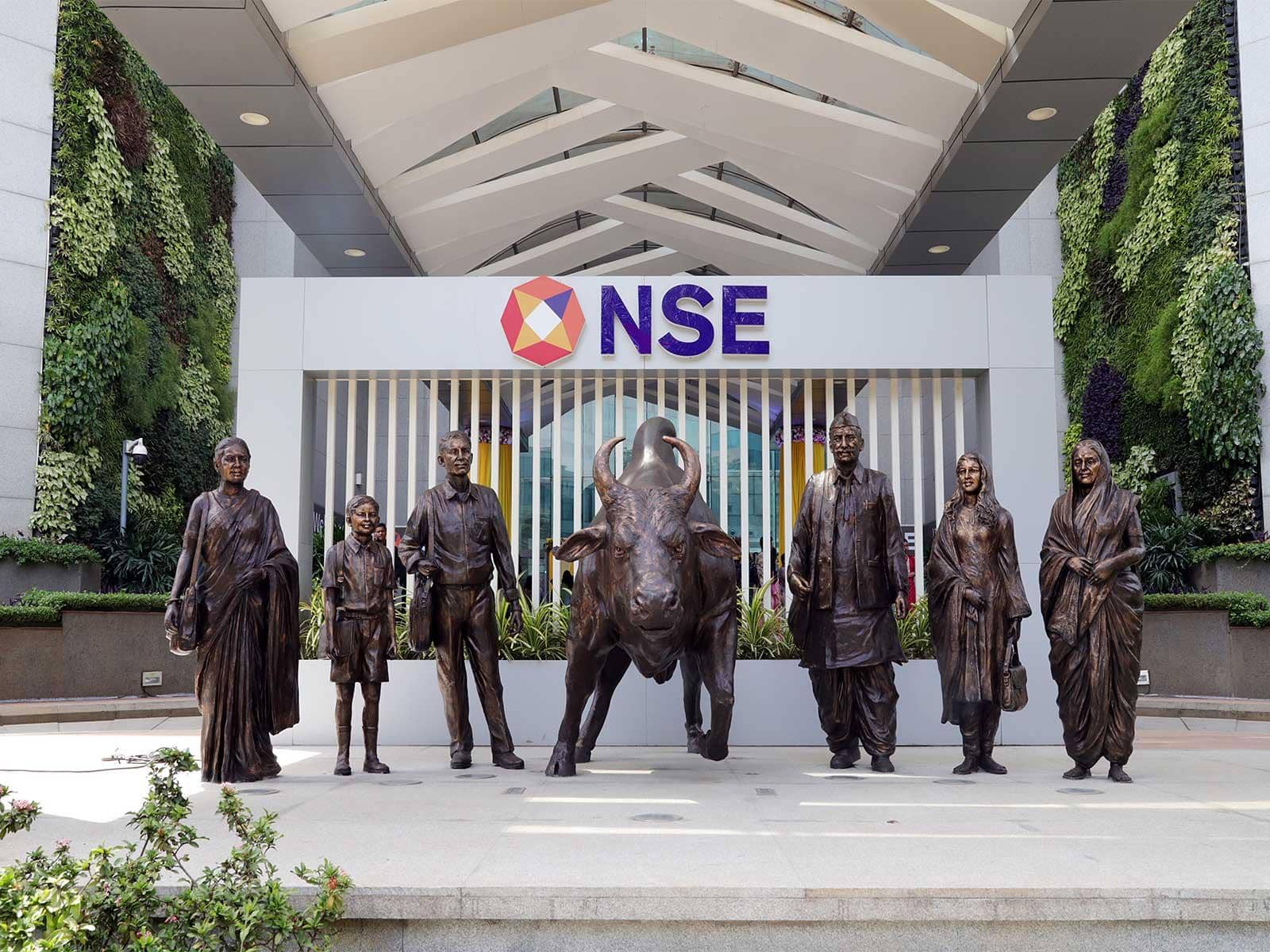


The initial public offering (IPO) of the National Stock Exchange (NSE) involved significant fees for the investment bankers managing the sale, according to official exchange filings. A total of 20 merchant bankers were compensated ₹186.20 crore in fees and commissions, which represents almost half of the overall offer-related expenses.




The NSE’s IPO, one of the largest in India, recorded total offer expenses of ₹392.12 crore. This amount equals 1.74 percent of the ₹22,561.5 crore offer for sale (OFS) size. The fees paid to the investment bankers made up 47.49 percent of these expenses, or 0.82 percent of the total issue size.
Advertising and marketing costs were the second-largest expenditure category for the IPO, amounting to ₹49.69 crore. This sum accounts for 12.67 percent of the total offer-related expenses. These figures highlight the substantial costs involved in executing a major IPO in India’s capital markets.
The group of 20 merchant bankers includes prominent financial institutions such as Kotak Mahindra Capital, JM Financial, Morgan Stanley India, Citigroup Global Markets, HSBC Securities, J P Morgan India, ICICI Securities, HDFC Bank, Axis Capital, and Motilal Oswal Investment Advisors. These firms played a key role in underwriting, marketing, and managing the NSE’s public listing process.
Despite the NSE IPO’s large size, the fees paid to bankers are notably lower than some other major Indian IPOs. For example, Hyundai Motor India’s record IPO paid ₹493 crore in banker fees. Similarly, One97 Communications, the parent company of Paytm, and LG Electronics paid ₹323 crore and ₹226 crore, respectively, to their bankers. This comparison illustrates that while the NSE issue ranks as the second largest in terms of amount raised, its underwriting costs were relatively moderate.
The NSE IPO closed for subscription on a recent Monday, drawing strong investor interest. The issue was oversubscribed 5.71 times overall. Qualified institutional buyers (QIBs) led the demand, subscribing 12.68 times their allocated shares. At the upper price band, the IPO received bids exceeding ₹90,000 crore in estimated demand.
It is important to note that the NSE IPO was structured entirely as an offer for sale (OFS). This means the exchange itself did not raise fresh capital from the issue. Instead, existing shareholders sold their stakes, and the proceeds went directly to them. The selling shareholders also bore the IPO-related expenses proportionate to the shares they offloaded.
Among the anchor investors who committed early to the IPO were major institutional players such as the Life Insurance Corporation of India (LIC), Norway’s Government Pension Fund Global, the Monetary Authority of Singapore, Abu Dhabi Investment Authority, and Societe Generale. These anchor investors collectively acquired shares worth ₹6,746 crore, providing strong support for the listing.
The National Stock Exchange’s public listing marks a significant event in India’s financial sector, reinforcing the transparency and corporate governance of the country’s premier stock exchange. The sizeable fees paid to investment bankers reflect the complexity and scale of managing one of India’s largest equity offerings. The strong subscription levels and participation by global institutional investors demonstrate continued confidence in India’s capital markets.
What's Your Reaction?
 Like
0
 Dislike
0
 Love
0
 Funny
0
 Wow
0
 Sad
0
 Angry
0















Comments (0)