


How Late Can You Resell a $126 Concert Ticket Without Losing Money?

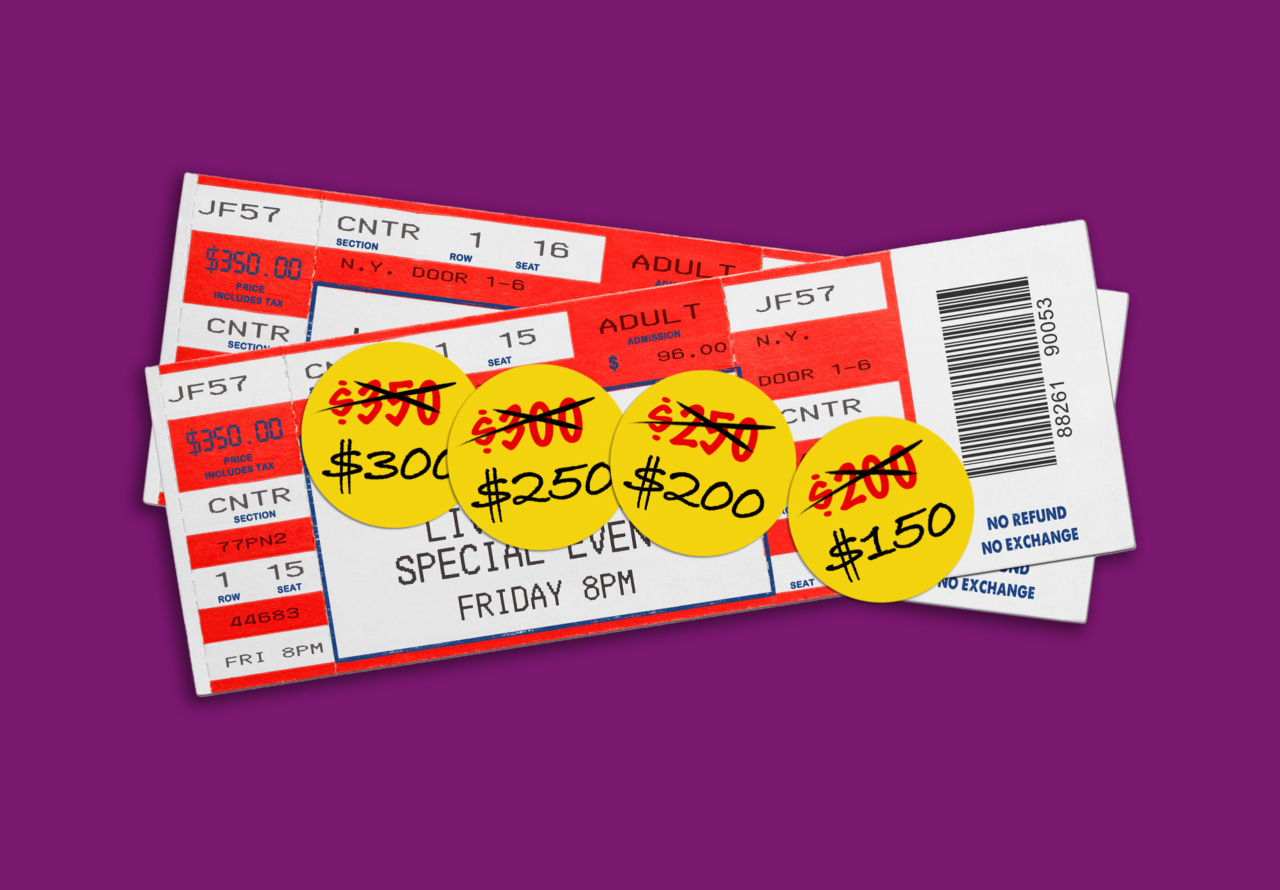


Buying concert tickets can be an exciting way to treat someone, but sometimes plans change unexpectedly. A common dilemma arises when a ticket holder can no longer attend an event, prompting questions about the best time to resell the ticket to avoid financial loss. For example, if you purchased a $126 concert ticket as a gift and your sister can no longer go, understanding the resale market and timing can make a difference.




Reselling concert tickets is a common practice, especially with the rise of online marketplaces dedicated to ticket trading. However, the ability to recoup the full purchase price depends on several factors, including the popularity of the event, demand fluctuations, and how close it is to the concert date. In general, tickets sold well in advance or at peak interest times tend to fetch higher prices.
Trying to break even on a $126 ticket means selling it at or above that price. This can be challenging if the resale market softens as the event approaches. Often, ticket prices peak soon after they go on sale and then fluctuate based on supply and demand. If demand wanes or the event is not sold out, prices may drop below face value closer to the date.
For those who find themselves needing to resell a ticket, acting sooner rather than later can improve chances of minimizing losses. Listing a ticket early gives potential buyers more time to consider the purchase. It also allows for multiple opportunities to adjust prices based on market response. Waiting until the last minute may limit visibility and force sellers to accept lower offers.
On the other hand, some events experience a surge in demand as the date nears, which could temporarily raise resale values. This varies widely by event type, artist popularity, and venue capacity. However, relying on this possibility is risky since it is unpredictable and may not apply to every concert.
Another consideration is platform fees and payment processing costs. Many resale sites charge a commission that can reduce the amount the seller receives. Factoring these fees into the asking price is necessary to determine the true break-even point. Sellers should research the fee structures of different marketplaces to choose the most cost-effective option.
It is also worth noting the policies regarding ticket refunds or exchanges offered by the original seller or venue. Some events allow refunds or exchanges under certain conditions, which might be preferable to reselling in a less active market. Checking these options before listing the ticket can save time and money.
Ultimately, the latest time to resell a $126 concert ticket without losing money varies with market conditions and event specifics. Sellers who act quickly, price their tickets competitively, and choose the right platform have better chances of breaking even. Those who wait until the final days before the event may face lower resale prices and higher fees, increasing the likelihood of a loss.
For anyone dealing with a non-refundable ticket they cannot use, understanding market dynamics and resale options is key. While there is no guaranteed method to avoid losses, being informed about timing and fees can help make the best of an unfortunate situation.
What's Your Reaction?
 Like
0
 Dislike
0
 Love
0
 Funny
0
 Wow
0
 Sad
0
 Angry
0














Comments (0)