


GLP-1 Drugs May Relieve Joint Pain but Pose Risks for Older Adults

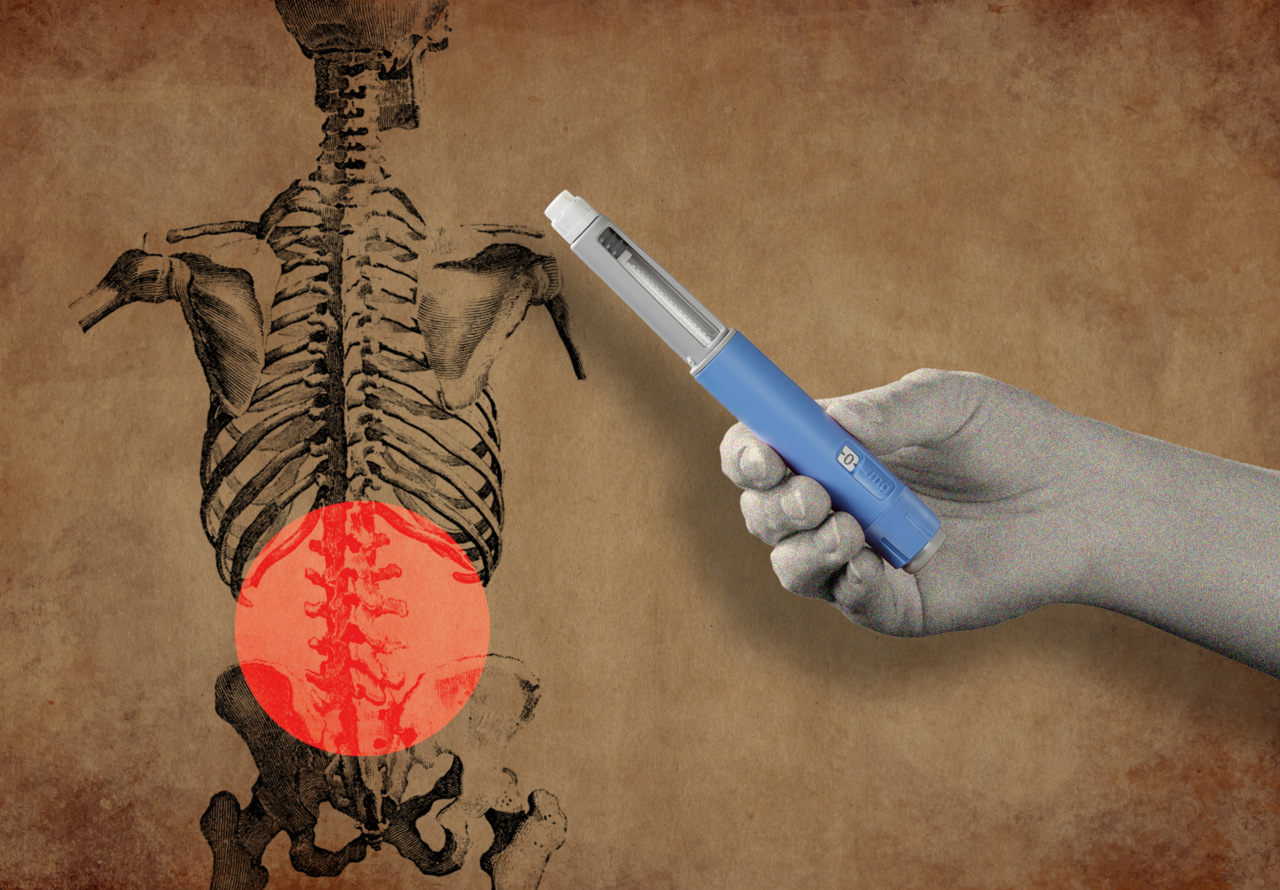


GLP-1 receptor agonists, a class of drugs primarily used to treat type 2 diabetes and support weight loss, are gaining attention for their potential to ease back and knee pain. These medications promote weight loss, which can reduce the strain on joints and alleviate discomfort, especially in people with obesity-related musculoskeletal issues.




Healthcare providers have observed that patients using GLP-1 drugs often report improvements in joint pain. The reduction in body weight leads to less pressure on weight-bearing joints like the knees and lower back, which are common sites of chronic pain. This effect is significant because joint pain associated with excess weight can limit mobility and reduce overall quality of life.
However, medical experts caution that while GLP-1 drugs offer benefits, there are risks involved, particularly for older adults. One concern is that rapid weight loss, a common outcome of these medications, may negatively affect bone quality. Bones can lose density and strength when weight drops quickly, potentially increasing the risk of fractures. This is especially relevant for older individuals who may already face age-related bone density decline.
Rapid weight loss can also impact muscle mass and nutritional status, both of which are crucial for maintaining bone health. Doctors stress the importance of monitoring bone density and overall health in patients undergoing treatment with GLP-1 drugs, especially those in advanced age groups. Careful management can help balance the benefits of pain relief and weight loss with the need to protect skeletal integrity.
GLP-1 receptor agonists work by mimicking a hormone that increases insulin secretion and decreases appetite, helping individuals lose weight over time. The drugs have been shown to be effective for weight management and glycemic control, making them a valuable tool in treating metabolic conditions. Their potential to reduce joint pain adds another dimension to their therapeutic use, as musculoskeletal pain is a common comorbidity in people with obesity and diabetes.
Despite these advantages, medical professionals emphasize a tailored approach when prescribing GLP-1 drugs. Factors such as age, baseline bone health, and overall risk of fractures should be considered. For older adults, additional interventions like bone density scans, calcium and vitamin D supplementation, and physical therapy may be recommended to mitigate risks.
Patients experiencing joint pain who are considering GLP-1 therapy should consult with their healthcare providers to discuss the potential benefits and risks. Weight loss can be a critical component of pain management, but it requires a comprehensive strategy to ensure safety, especially for vulnerable populations.
In summary, GLP-1 drugs offer promising relief for back and knee pain by promoting weight loss. Nonetheless, the impact of rapid weight loss on bone quality is a significant concern for older adults. Ongoing research and clinical guidance will help refine the use of these drugs to maximize benefits while minimizing risks.
What's Your Reaction?
 Like
0
 Dislike
0
 Love
0
 Funny
0
 Wow
0
 Sad
0
 Angry
0
















Comments (0)