


Asian Stocks Climb Amid US Tech Surge and Oil Price Drop

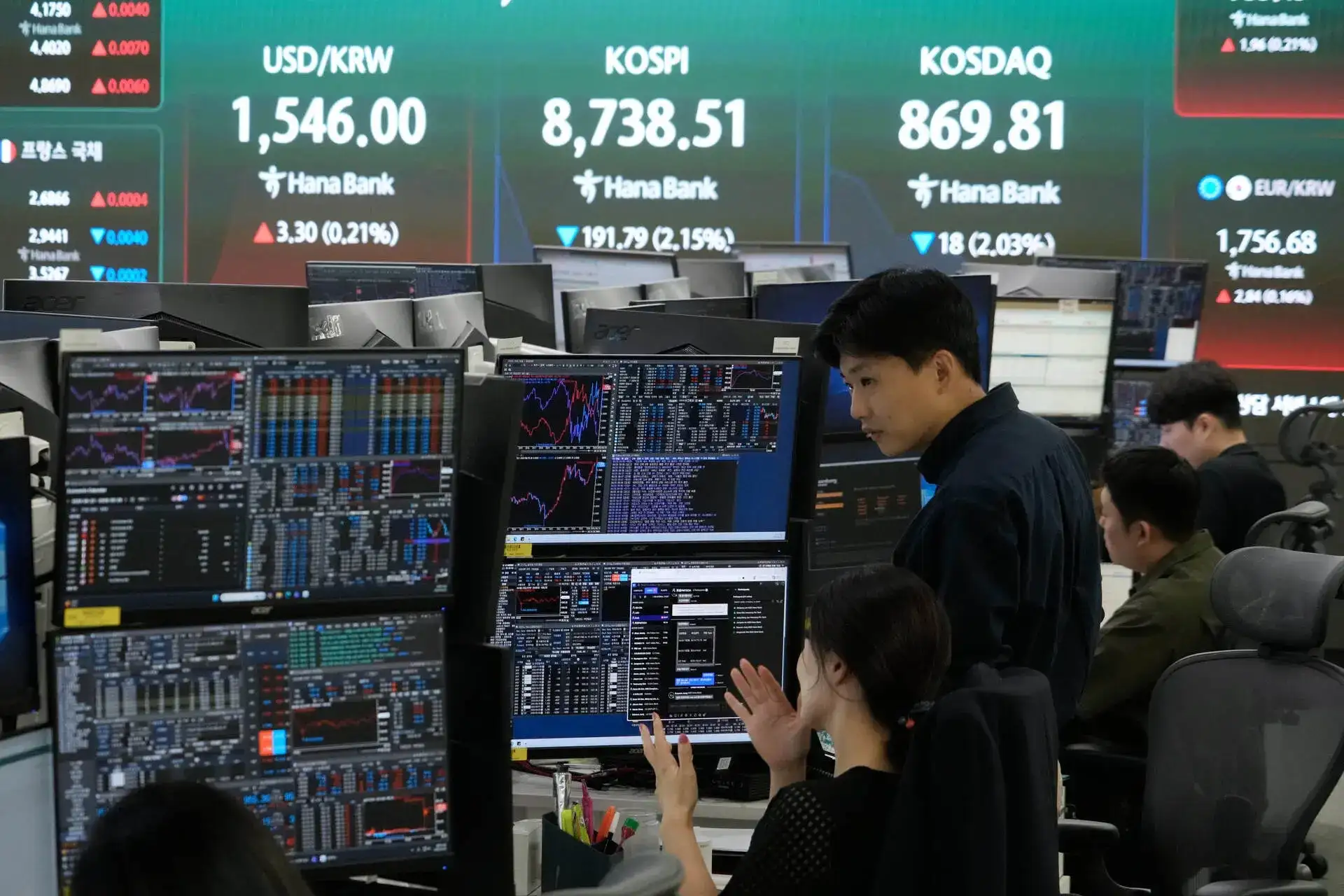


Asian equity markets extended their winning streak with the MSCI Asia Pacific index increasing by 0.3%, marking six consecutive days of gains. This positive momentum followed a strong rally in US technology shares, particularly semiconductor companies, which helped push the Nasdaq 100 Index to its first record high since June. Meanwhile, oil prices dropped amid signs of diplomatic progress in efforts to resolve the conflict involving Iran.




Regional markets benefited from advances in major chipmakers. Samsung Electronics Co. and SK Hynix Inc. both saw their shares rise, reflecting optimism in the technology sector. However, Japanese markets were closed for a holiday, limiting activity in one of Asia's largest economies.
In the US, Shopify Inc. surged 7.1% after announcing a partnership with Meta Platforms Inc. to integrate its new Muse AI agent. This development sparked market interest in artificial intelligence technologies. Conversely, some financial stocks in the US faced selling pressure due to concerns that AI advancements might reduce brokerage margins and fees, which in turn affected broader equity indexes.
Oil prices experienced a decline, with Brent crude falling nearly 1% before settling around $99.10 per barrel. This came after reports that US officials had a productive meeting with Iranian representatives, fueling hopes for a diplomatic resolution to ongoing tensions that have disrupted Middle Eastern oil supply. Gold and the Bloomberg Dollar Spot Index maintained their gains from the previous trading session.
Due to Japan's market holiday, there was no cash trading in US Treasury securities, creating a quieter fixed-income environment. Investors are closely watching upcoming economic and geopolitical developments, as the technology sector continues to lead global equity markets, driven by chipmakers' performance.
With a light economic calendar this week, market direction may hinge on further progress in diplomacy that could lower oil prices and ease upward pressure on bond yields. Market participants are also anticipating the summit between US President Donald Trump and Chinese President Xi Jinping, looking for signs of advancement on trade and economic issues.
Tom Essaye, founder of The Sevens Report, noted, "Focus will stay on geopolitics, and if there’s any confirmation of progress towards a ceasefire between the US and Iran, look for oil and yields to fall further and for stocks to rally."
Chipmakers have been at the forefront of market gains, especially following Meta’s unveiling of its AI agent Muse. However, some sectors in Asia that rely heavily on consumer habits, including banks, insurers, and online travel companies, could face challenges if AI disrupts typical consumer behaviors. Consumer inertia, the tendency for buyers to continue purchasing familiar products even when alternatives exist, may be threatened by new AI technologies.
Chris Weston, head of research at Pepperstone Group Ltd., remarked, "For now, semiconductors and memory remain at the center of the equity conversation." This underscores the ongoing importance of technology hardware within the broader market landscape.
Energy markets remain a focal point as well. Saudi Arabia's decision to restart a critical oil pipeline and the US signalling progress in talks with Iran have contributed to the recent shifts in crude prices. These developments are significant given their potential to influence global oil supply and pricing.
On the monetary policy front, comments from Federal Reserve officials have attracted attention following last week’s quarter-point interest rate increase. Richmond Fed President Tom Barkin cautioned that inflationary shocks might persist for some time. Boston Fed President Susan Collins supported the recent rate hike, while St. Louis Fed President Alberto Musalem indicated that additional increases could be necessary.
Daniel Bergvall, head of economic forecasting at Skandinaviska Enskilda Banken AB, explained the dilemma faced by central banks: "The fight against inflation has in many countries not yet been won, and policy rates that are too low risk unanchoring inflation expectations and pushing long-term yields higher." This highlights the challenges policymakers confront in balancing inflation control with economic growth.
As markets digest these developments, investors remain attentive to geopolitical dynamics, central bank signals, and technological innovation, all of which are shaping the current investment climate. The interplay between diplomatic progress, energy prices, and monetary policies will continue to influence the global equity landscape in the near term.
What's Your Reaction?
 Like
0
 Dislike
0
 Love
0
 Funny
0
 Wow
0
 Sad
0
 Angry
0

















Comments (0)