


France Faces Growing Market Pressure to Stabilize Public Finances Ahead of Elections



France is encountering increasing pressure from global financial markets to bring its public finances under control as the country approaches the 2024 presidential election. Rising borrowing costs and a weakening euro have amplified concerns about the sustainability of France's fiscal position, raising potential risks not only for France but also for the broader eurozone.




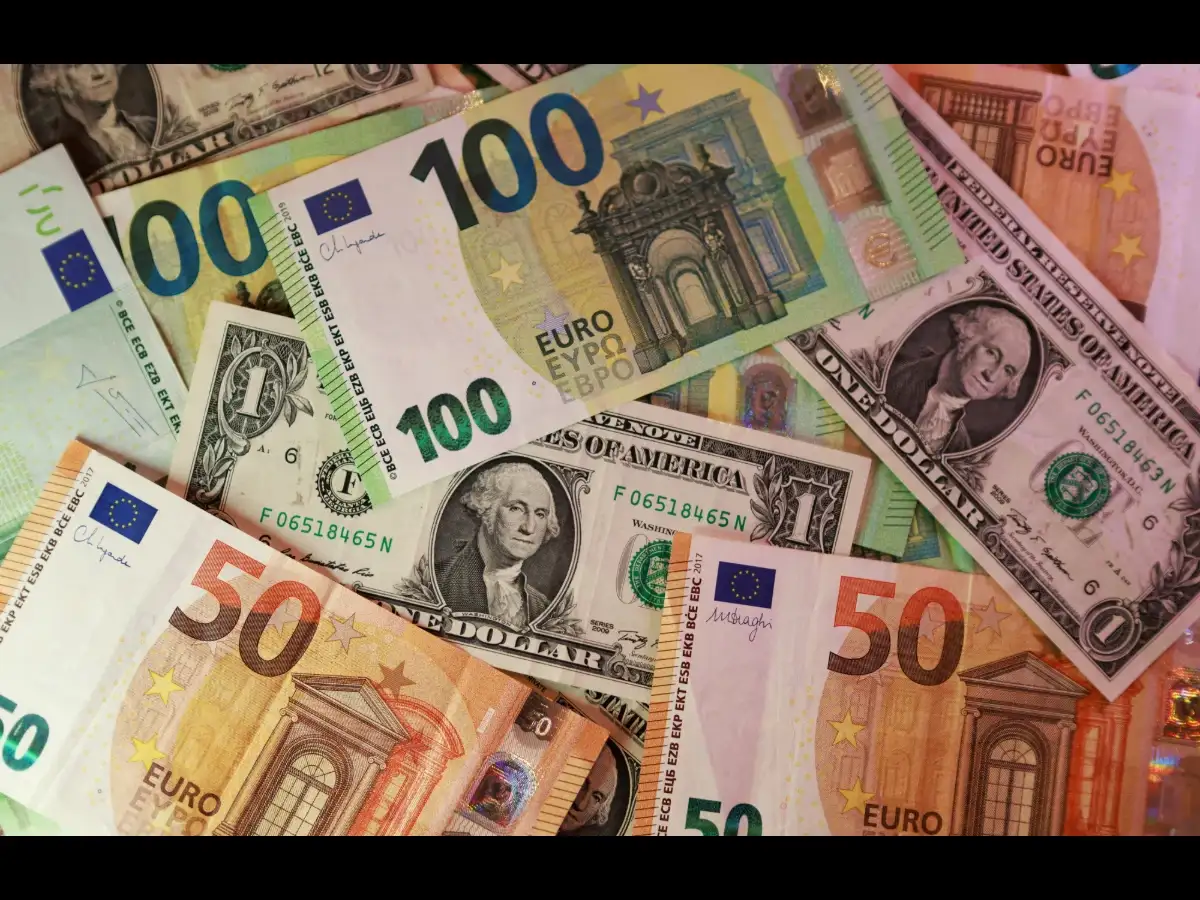
Angel Ubide, head of Economic Research for Fixed Income and Macro at Citadel, shared with Reuters that France is under significant scrutiny from investors who are demanding a more stable fiscal path. The country’s borrowing rates have surged sharply during the recent global selloff in government bonds. At the same time, the euro has declined to a 17-month low, falling below $1.12 against the US dollar, reflecting growing market anxieties about France's public debt.
Although France does not currently pose a systemic risk to the European economy, Ubide cautioned that a serious deterioration in its finances could have far-reaching consequences for the eurozone. The size and economic influence of France means that financial instability there would not remain isolated. This puts additional pressure on policymakers in Paris to prioritize measures that control spending and restore investor confidence in the country’s budgetary health.
Market turmoil in French government bonds has sparked fears that similar stress could spread to other highly indebted eurozone nations, possibly exacerbating challenges for the common currency area. Despite this, officials from the European Central Bank and France’s finance ministry have so far dismissed the need for ECB intervention to stabilize French bond markets.
Last week, yields on France’s 10-year government bonds briefly surpassed 5%, reaching their highest level in 24 years. This sharp rise in borrowing costs comes amid a broader environment of financial uncertainty in Europe and coincides with the euro’s weakening against several major currencies, including the British pound, Swiss franc, and Japanese yen.
Political factors add further complexity to France’s fiscal outlook. The country is preparing for its presidential election amid social unrest, including student protests and inflationary pressures that strain household budgets. These conditions have fueled voter dissatisfaction and boosted support for both far-right and far-left political parties in opinion polls.
Marine Le Pen, the far-right candidate, has sought to reinforce her economic credentials by pledging extensive spending cuts. She proposed saving €140 billion (approximately $157.6 billion) over her five-year term and suggested a referendum to constitutionally mandate deficit reduction. However, economists remain skeptical about the feasibility of such ambitious cuts, especially since Le Pen also supports lowering the retirement age for some workers, a move that may increase spending.
Investors continue to evaluate how Le Pen’s economic policies might evolve if she wins office, with uncertainty surrounding her plans contributing to market volatility. Ubide noted that it will take time before markets develop a clearer understanding of her fiscal approach.
The upcoming parliamentary elections will also play a critical role. France needs a government capable of implementing effective deficit reduction strategies, which might require politically difficult decisions on public spending. The combination of rising borrowing costs and political uncertainty heightens the urgency for credible fiscal reforms.
France’s current situation highlights the challenges faced by large eurozone economies managing high debt levels in a fragile economic environment. Policymakers must balance the demands of economic stability, political realities, and social pressures as they navigate the path ahead. The outcome of the presidential election and subsequent government formation will be crucial in determining whether France can successfully restore confidence in its public finances and mitigate risks to the wider European economy.
What's Your Reaction?
 Like
0
 Dislike
0
 Love
0
 Funny
0
 Wow
0
 Sad
0
 Angry
0
















Comments (0)