


US Stocks Slip as Treasury Yields Rise and Oil Prices Surge

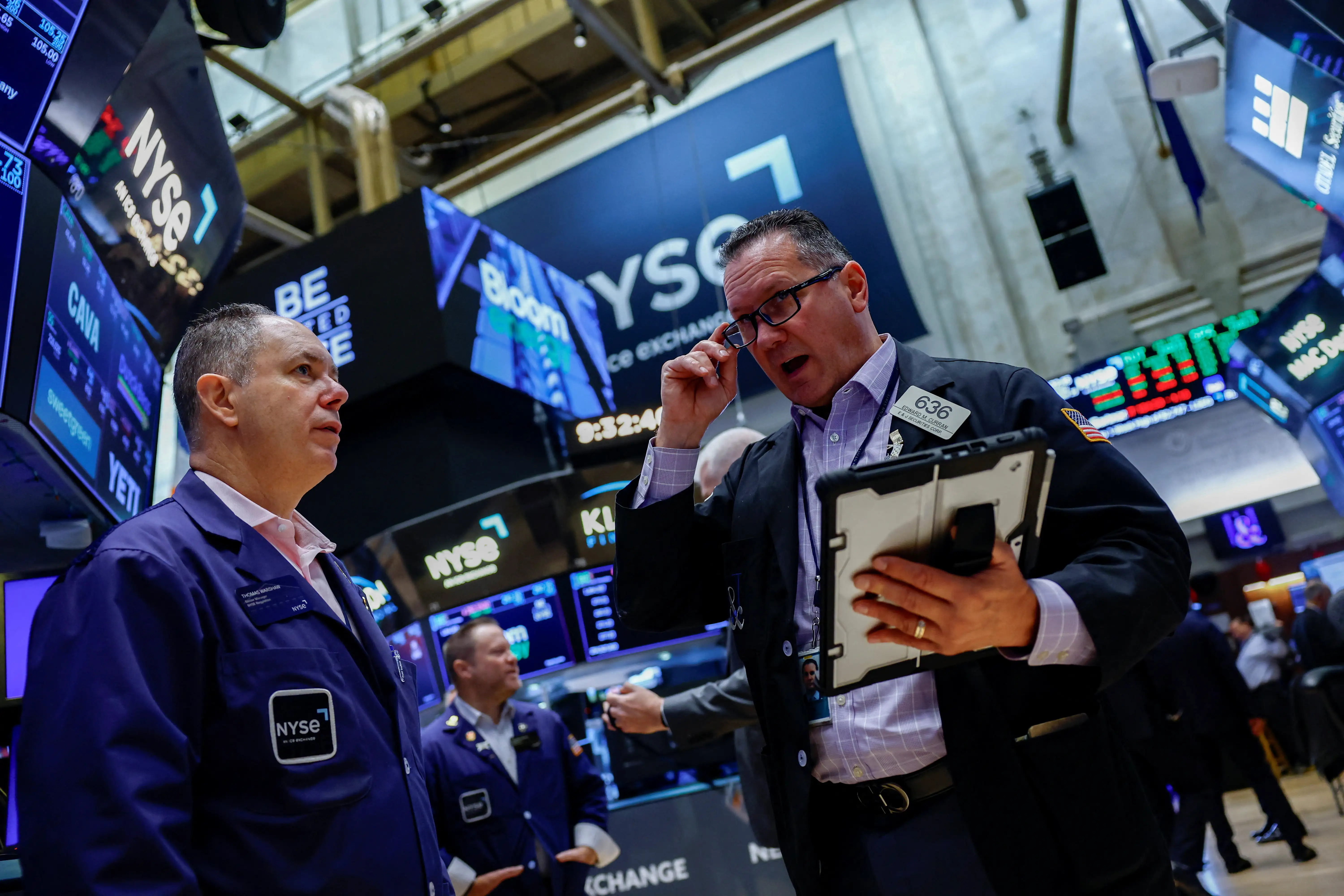


Wall Street closed lower on Wednesday following a brief rally the previous day, as rising long-term US Treasury yields reignited apprehension about inflation and increasing debt levels. This downturn came just after the S&P 500 and Nasdaq reached record closing highs.




All three major indexes—the S&P 500, Dow Jones Industrial Average, and Nasdaq Composite—posted modest losses. The S&P 500 and Dow ended four-day winning streaks, while the Nasdaq took its first loss in six sessions. The Russell 2000 small-cap index lagged behind its larger peers, reflecting broader market caution.
Brent crude oil prices climbed briefly above $100 per barrel, driven by worries about supply disruptions linked to tensions in Iran. The 30-year US Treasury bond yield hit its highest point in 24 years. These developments have heightened fears of sustained inflation, potentially extending the Federal Reserve's cycle of interest rate hikes.
Concerns about rising energy costs, combined with growing levels of corporate and government debt, have triggered a global selloff in bonds. This instability has unsettled markets worldwide over recent weeks.
Thomas Martin, senior portfolio manager at GLOBALT in Atlanta, noted that investors had hoped for a drop in oil prices that could ease pressure on bond yields and support equities. "The third quarter was expected to be the season for a market correction, but that did not materialize," he said. "So investors are taking some profits off the table." Stocks recovered slightly after the International Energy Agency announced plans to accelerate the release of oil reserves, prioritizing diesel supplies to ease market tightness.
Minutes from the Federal Reserve's September policy meeting revealed differing views among policymakers regarding their recent decision to raise interest rates for the first time since July 2023. Some members advocated for the increase to counteract the impact of energy price shocks, while others emphasized the need to control demand-driven inflation.
Market expectations have shifted accordingly. According to CME's FedWatch tool, the probability of another rate hike at the Fed's October meeting has dropped below 20 percent, down from nearly 38 percent just a week ago.
Martin explained, "Fed expectations will fluctuate as new economic data emerges. While more rate hikes are anticipated eventually, the markets are signaling a likely pause in October." This sentiment reflects investor caution amid mixed signals from economic indicators.
On Wednesday, the S&P 500 declined by 17.78 points, or 0.23 percent, closing at 7,801.15. The Nasdaq Composite fell 66.50 points, or 0.24 percent, to 27,533.39, and the Dow dropped 355.91 points, or 0.69 percent, ending at 51,165.37.
The rise in Treasury yields has also influenced borrowing costs. Last week, the 30-year fixed mortgage rate surged to its highest level in nearly three years, according to the Mortgage Bankers Association. This increase has weighed on housing stocks and homebuilder shares, which fell 2.3 and 2.9 percent respectively on Wednesday.
Technology sectors faced pressure as well. Semiconductor stocks, which have gained more than 80 percent so far this year, ended lower. Shares of SpaceX retreated amid reports that the company is seeking approximately $40 billion in financing to purchase Nvidia chips, highlighting ongoing capital demands in the tech industry.
Looking ahead, the third-quarter earnings season is set to commence in earnest next week. Several major financial firms will release results, drawing investor attention to how corporate investments in artificial intelligence are translating into financial performance. Analysts currently project a year-over-year earnings growth of 30.6 percent for S&P 500 companies during the July to September period, according to data from LSEG.
Market participants will also be closely watching for signs about the resilience of US consumer spending amid persistent inflationary pressures, as these factors will shape the economic outlook and policy decisions moving forward.
What's Your Reaction?
 Like
0
 Dislike
0
 Love
0
 Funny
0
 Wow
0
 Sad
0
 Angry
0














Comments (0)