


Euro Falls to 17-Month Low Amid French Debt Concerns and US Inflation

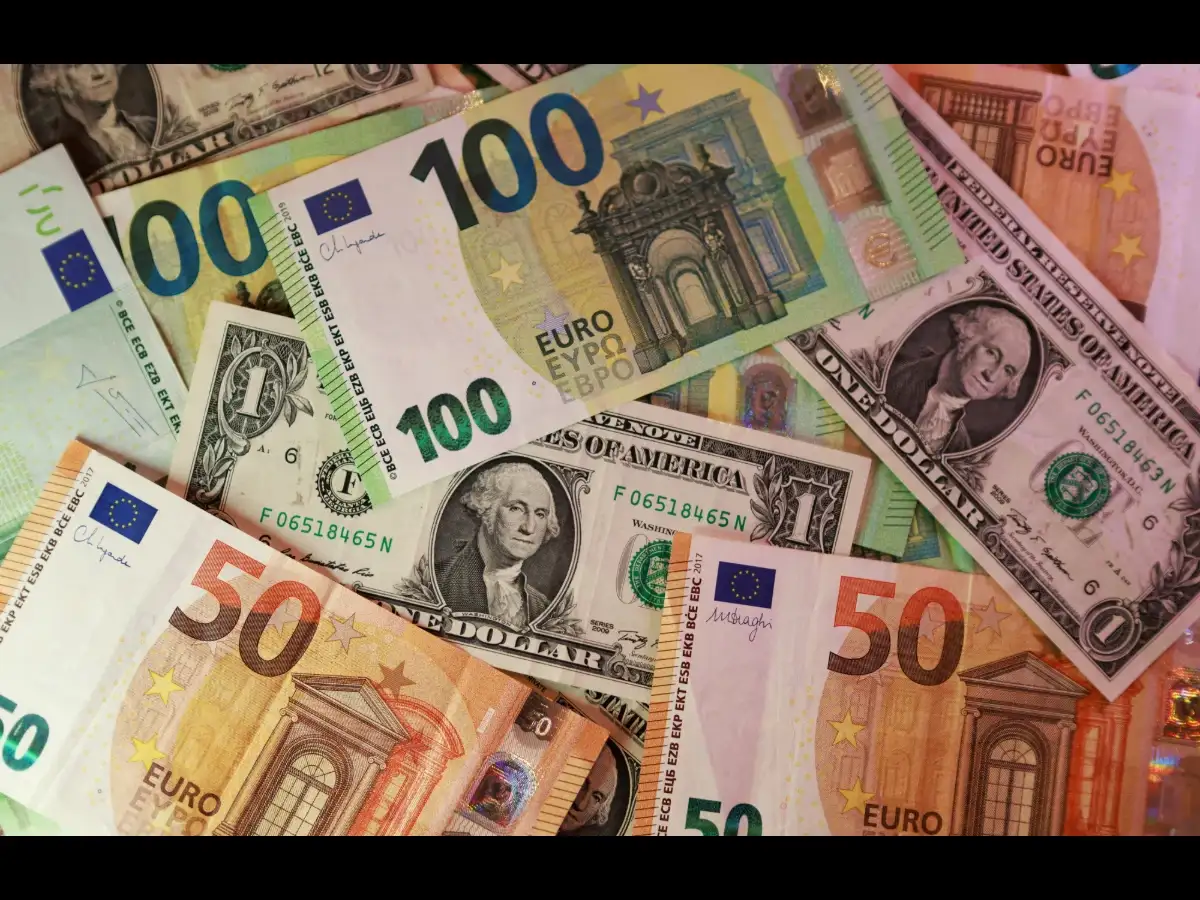


The euro slid to its lowest level in 17 months against the US dollar on Monday as investors grew increasingly concerned about France’s ability to manage its budget deficit. These worries have intensified fears of a broader debt crisis within the eurozone. At the same time, ongoing inflation pressures in the United States have strengthened the dollar's appeal among global currency traders.




After briefly touching a low of $1.116 earlier in the day, the euro last traded down 0.37 percent at $1.1211. This marks the currency’s weakest point since May 2025 and continues a four-week losing streak against the dollar – the longest decline since that same period nearly two years ago. Over this stretch, the euro has lost more than three percent of its value relative to the greenback.
French government bonds faced selling pressure amid rising expectations for higher interest rates and mounting political uncertainty ahead of the country’s 2027 presidential election. Investors are questioning whether France, the eurozone’s second-largest economy, can keep its public finances under control given the upcoming electoral cycle and fiscal challenges.
Within the eurozone fixed income market, bond yields showed a divergence. German government bonds, perceived as a safer investment, remained favored over debt from countries with higher borrowing risks. The gap between yields on French bonds and German Bunds widened to nearly 160 basis points last Friday, hitting levels not seen since the eurozone sovereign debt crisis in 2011. However, by Monday this spread had narrowed slightly to 137 basis points.
Erik Bregar, director of foreign exchange and precious metals risk management at Silver Gold Bull in Toronto, noted the market’s rejection of France’s 2027 budget plans. He highlighted the political backdrop, questioning who would support fiscal austerity measures ahead of an election. Bregar suggested that the fluctuations in the French-German bond yield spread were a key driver behind the euro’s movements early in the week.
Meanwhile, the US dollar gained ground as inflation concerns persisted despite a drop in expectations for an interest rate hike by the Federal Reserve this month. Data from the Institute for Supply Management showed its non-manufacturing purchasing managers’ index slipped slightly in September but remained firmly in expansion territory. More notably, the index’s prices paid component rose, reinforcing inflationary pressures.
Market participants now assign about a 24 percent chance that the Fed will increase rates by 25 basis points in October, a steep decline from nearly 71 percent just a week earlier. However, expectations for a December rate hike remain robust, with an 87 percent probability priced in. These inflation signals helped push the dollar index up to 102.16, its highest level since April 2025.
In currency markets, the dollar edged up 0.09 percent against the Japanese yen to 157.97. Despite verbal interventions from Japanese officials warning against yen depreciation, and the yen’s status as a traditional safe haven, it has continued to weaken. Japanese Prime Minister Sanae Takaichi pledged to manage bond issuance and react promptly to market volatility, aiming to calm investor concerns over Japan’s rising bond yields and fiscal health.
Additionally, a recent business survey indicated slower growth in Japan’s services sector in September. Activity and new orders eased, with disruptions from recent earthquakes contributing to weaker demand.
The British pound also saw minor fluctuations, slipping 0.14 percent against the dollar to $1.3223 but gaining slightly against the euro by about 0.2 percent.
This situation reflects ongoing volatility in currency and bond markets as investors weigh political risks in Europe alongside inflation data and central bank policies in the US and Japan. The eurozone’s fiscal dynamics and election cycles remain critical factors for market confidence, while persistent inflation in the US continues to support the greenback’s strength.
What's Your Reaction?
 Like
0
 Dislike
0
 Love
0
 Funny
0
 Wow
0
 Sad
0
 Angry
0


















Comments (0)