


RBI to Curb Rupee Volatility as India Focuses on Economic Stability




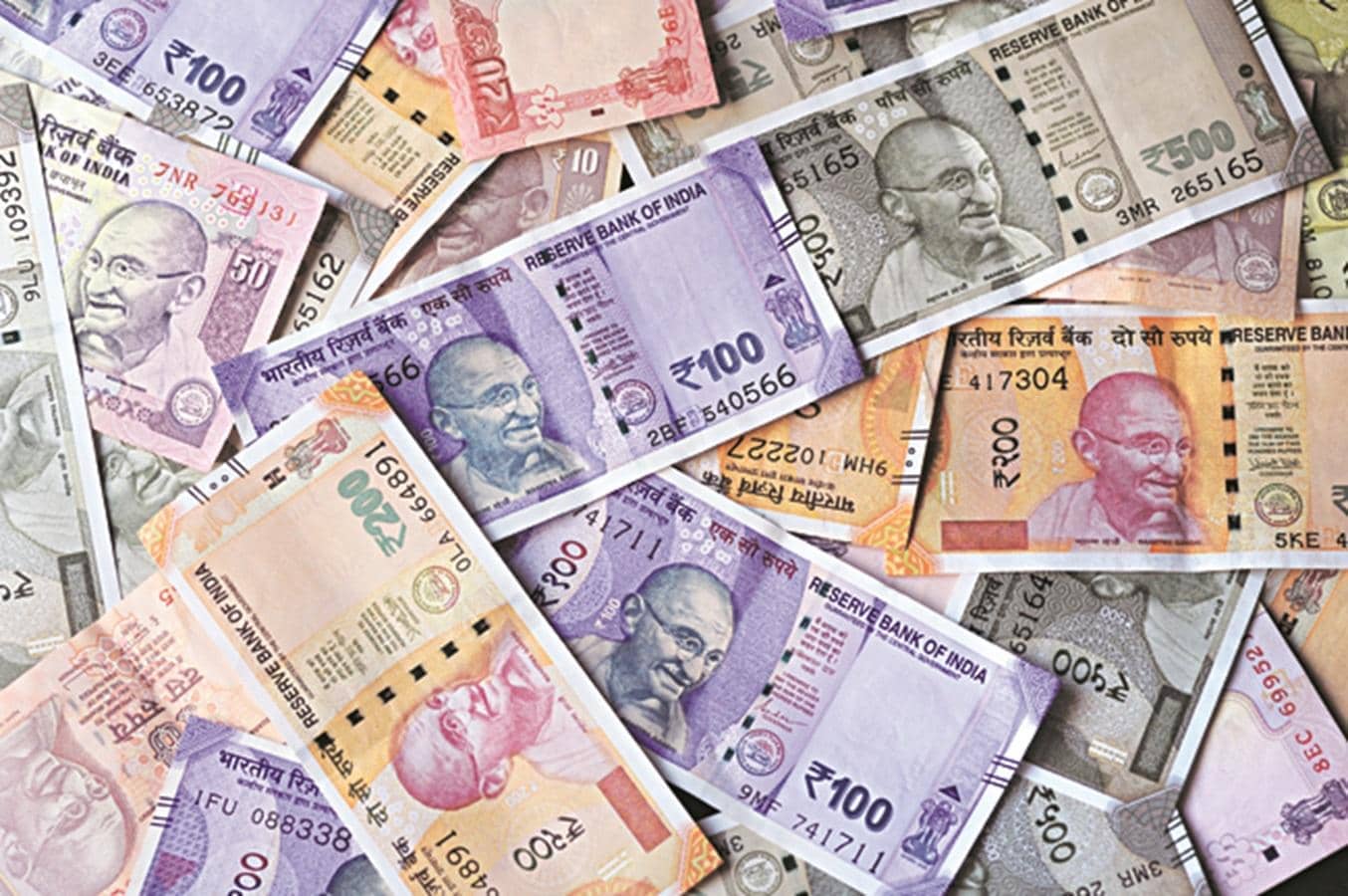
Union Finance Minister Nirmala Sitharaman addressed concerns about the rupee's recent depreciation during her remarks at the Bloomberg New Economy Forum 2026, emphasizing the Reserve Bank of India's (RBI) ongoing efforts to contain excessive currency fluctuations. She pointed out that global factors were largely responsible for the rupee's weakening over the past year.




"The depreciation of the rupee has been notable in the last twelve months, but it is mostly driven by external challenges," Sitharaman explained. She reassured investors by underlining India's solid macroeconomic foundation, which includes strong foreign exchange reserves and fiscal discipline that supports economic stability.
Unlike attempts to maintain the rupee at a fixed level, the RBI's strategy focuses on mitigating abrupt or extreme swings in the currency's value. Sitharaman detailed that the pressures from international markets and geopolitical developments had significantly influenced the exchange rate over the last 18 to 24 months.
The finance minister also reiterated the government’s commitment to a disciplined fiscal framework. She assured that while fiscal prudence remains a priority, essential expenditures on social welfare, education, and healthcare will continue to receive protection in government budgets.
Regarding potential tax reforms, Sitharaman declined to comment on whether changes to the long-term capital gains (LTCG) tax or securities transaction tax (STT) would be included in the upcoming Union Budget. She noted that discussions with domestic and foreign investors about capital gains taxation across various asset classes are ongoing, but it is premature to speculate on any policy shifts.
Turning to India's semiconductor ambitions, Sitharaman dismissed concerns that the country’s goals in chip manufacturing are overly optimistic. She highlighted the government's dual approach: developing capabilities in both advanced semiconductor technologies and chips used in everyday products such as refrigerators, automobiles, industrial equipment, and Internet of Things (IoT) devices. She stated that demand for these components remains robust and that India is strategically positioned to expand its production capacity.
The rapid growth of artificial intelligence (AI) and data centers was another focal point. Sitharaman explained that this expansion will drive higher electricity consumption and increase the need for a dependable power infrastructure. She stressed the necessity of investing in sustainable green energy sources and strengthening electricity transmission networks to support the power demands of AI-related facilities and semiconductor manufacturing plants.
On the infrastructure front, Sitharaman highlighted the National Infrastructure Pipeline, which has grown to an estimated $4.5 trillion. This vast pipeline presents a wide array of investment opportunities across different sectors and geographic areas. Key institutions like the National Bank for Financing Infrastructure and Development (NaBFID) and the National Investment and Infrastructure Fund (NIIF) are playing instrumental roles in mobilizing long-term capital towards these projects.
She observed that private domestic investment is gaining momentum, especially in sectors like renewable energy, semiconductors, pharmaceuticals, and aircraft maintenance, repair, and overhaul (MRO). The civil aviation industry, expanding at around 16 percent annually, offers further prospects for investors interested in aviation-related infrastructure and services.
Overall, Sitharaman’s remarks provide insight into the government’s approach to balancing currency stability, fiscal responsibility, technological advancement, and infrastructure development. These initiatives collectively aim to sustain economic growth and improve India’s global competitiveness amid a complex international environment.
What's Your Reaction?
 Like
0
 Dislike
0
 Love
0
 Funny
0
 Wow
0
 Sad
0
 Angry
0












Comments (0)