


Oil Prices Rise Following Houthi Attacks on Saudi Aramco Facilities

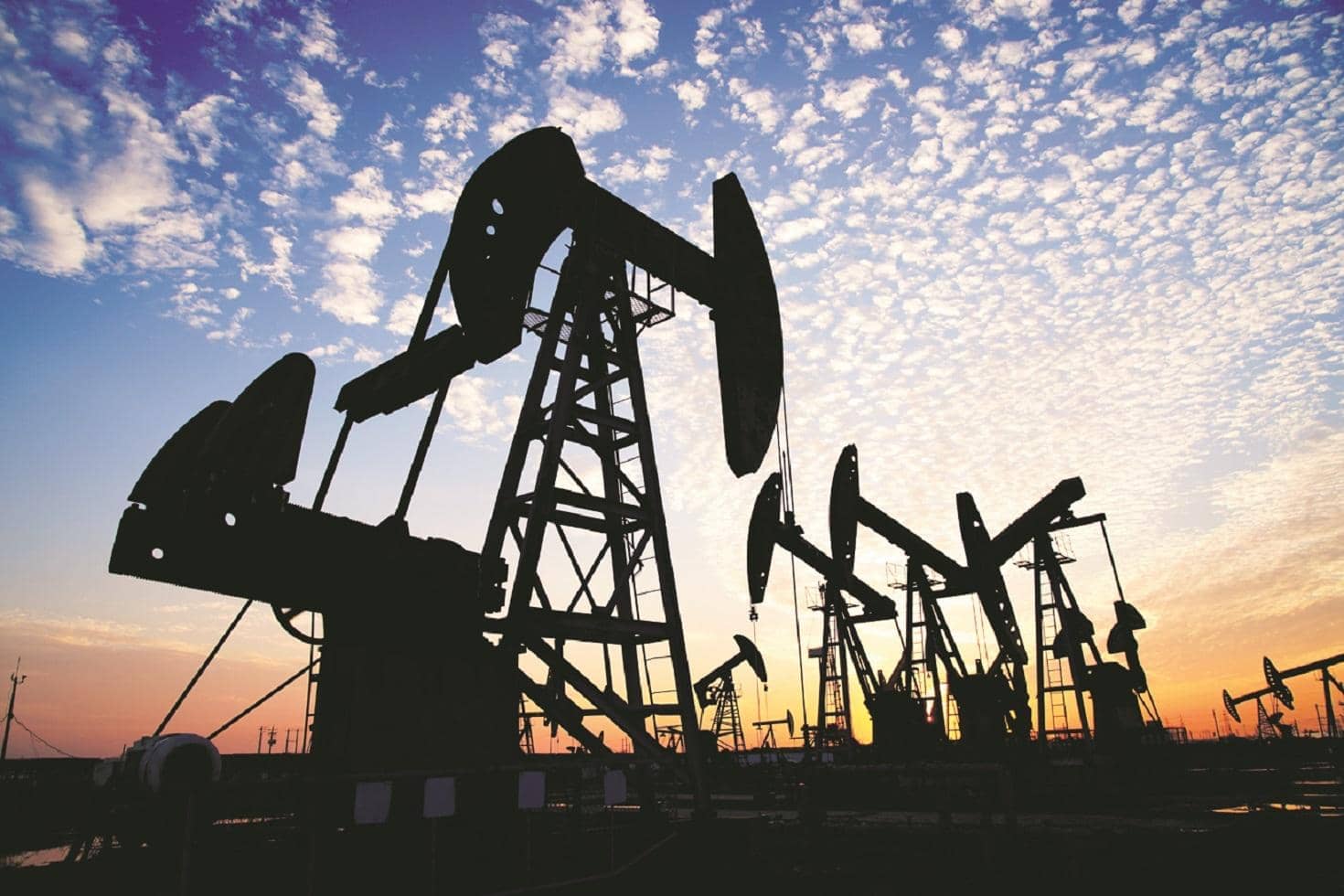


Oil markets experienced a noticeable uptick on Monday after Yemeni Houthi forces claimed responsibility for missile and drone strikes against critical Saudi Aramco installations. The attacks targeted facilities in Riyadh and the Khurais region, sparking worries about potential disruptions to oil production in one of the world's largest exporting countries.




Brent crude futures climbed by 81 cents, or 0.79 percent, reaching $103.06 per barrel by 2202 GMT, reflecting heightened market sensitivity. Similarly, U.S. West Texas Intermediate (WTI) crude rose 46 cents, or 0.50 percent, to $91.57 per barrel, indicating a broader impact on global oil benchmarks.
The Houthi movement, which receives backing from Iran, has periodically launched attacks on Saudi infrastructure since the conflict in Yemen escalated in 2015. Their latest offensive focused on sites integral to Saudi Aramco's operations, fueling concerns about the vulnerability of energy supply chains amid geopolitical tensions in the region.
Saudi Arabia holds a pivotal role in the global energy market as the leading oil exporter, responsible for a significant portion of worldwide crude output. As such, any threat to its production capabilities can ripple through international markets, influencing prices and trade flows.
Investors and analysts are closely monitoring the situation to assess whether the attacks will lead to prolonged disruptions or if Saudi Arabia's robust infrastructure and strategic reserves will mitigate potential supply shocks. The kingdom has previously demonstrated resilience in maintaining output despite security challenges.
This development occurs amid a backdrop of fluctuating oil demand and ongoing geopolitical uncertainties. Markets have been adjusting to factors such as economic recovery patterns, energy transition policies, and regional conflicts that affect supply stability.
Energy experts note that while short-term price volatility may arise from such incidents, long-term market trends depend on broader factors including global demand growth, production decisions by the Organization of the Petroleum Exporting Countries (OPEC), and investments in alternative energy sources.
In summary, the recent Houthi missile and drone assaults on Saudi Aramco facilities have prompted a rise in oil prices due to fears over supply interruptions. The situation underscores the interconnectedness of geopolitical events and energy markets and highlights the ongoing challenges faced by major oil producers in maintaining steady output amid regional conflicts.
What's Your Reaction?
 Like
0
 Dislike
0
 Love
0
 Funny
0
 Wow
0
 Sad
0
 Angry
0

















Comments (0)