


SME IPOs Struggle as Mainboard Listings Yield Over 10% Returns

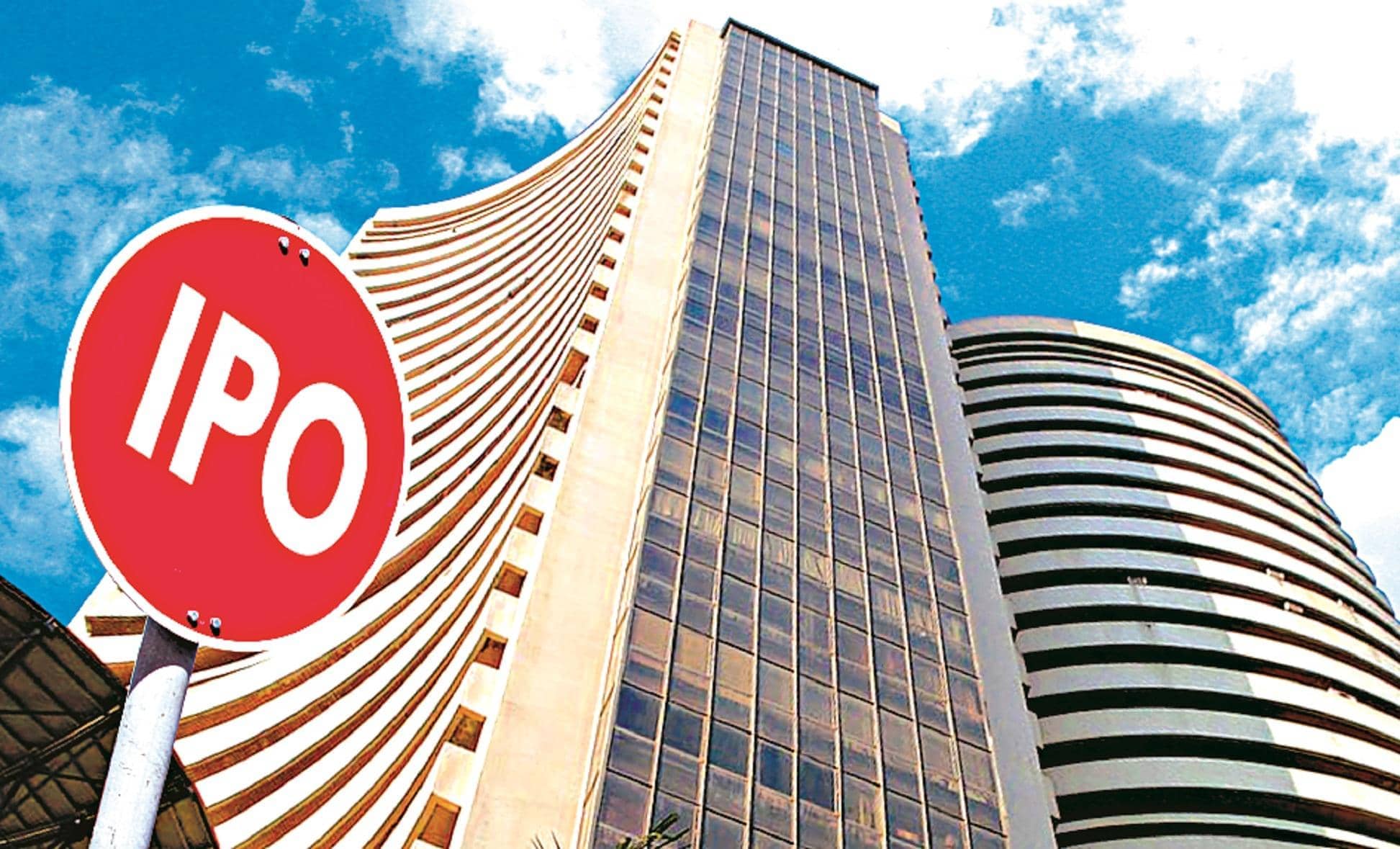


In 2024, small and medium enterprise (SME) initial public offerings (IPOs) have faced considerable challenges, with a significant number of listings falling below their issue prices. Data from Prime Database reveals that out of 151 SME IPOs launched this year, which collectively raised ₹2,078.55 crore, 70 are currently trading under their offer price. Alarmingly, 21 of these have lost at least half of their value, leaving investors with minimal returns.




The median return for SME listings this year stands at a modest 1 percent, a stark contrast to the 27.1 percent median return observed for mainboard IPOs. Nearly half (46 percent) of the SME stocks are underwater compared to 27 percent on the mainboard, highlighting a significant disparity in investor confidence and market performance between these segments.
Looking closer at the quarterly data, SME IPOs listed between July and September have barely moved, delivering a median return of only 0.1 percent as of September 29. Additionally, 45 percent of these offerings trade below their issue price. The first half of 2024 showed a similar trend: 47 percent of the 76 SME IPOs listed during January to June were undervalued relative to their offer price and recorded a median return of just 5.1 percent.
When assessing broader market indicators, the Nifty Emerge Index—which tracks SME stocks—has declined by 2.3 percent over the past twelve months. Meanwhile, the Nifty IPO Index, representing mainboard IPOs, posted a positive return of 10.41 percent over the same period, according to exchange data. This divergence suggests that investors are favoring larger, more established companies amid current economic uncertainty and market volatility.
Experts attribute the subdued interest in SME stocks to the prevailing macroeconomic environment. Investors tend to avoid higher-risk SME shares when market conditions are unstable, opting instead for mainboard IPOs like the recent National Stock Exchange (NSE) listing. Such large-cap offerings provide a sense of security and the potential for steady, long-term gains, making them more attractive during periods of cautious investing.
Abhay Agarwal, founder and fund manager at Piper Serica, explained that smaller firms aiming to attract investors with appealing valuations often experience sharper declines in market performance. He noted that SME merchant bankers, who are typically focused on securing subscription success, might be less concerned about post-listing price stability. Agarwal also highlighted that SME IPO costs have risen substantially, from around 7 percent a year ago to between 10 and 12 percent now, which adds financial pressure on smaller companies.
Despite these challenges, the SME IPO pipeline remains active. September 2024 saw 52 SME IPOs raising ₹2,078.55 crore, marking it the second busiest month since January 2020, trailing only behind September 2023. Agarwal attributed the surge in September activity partly to a deadline on September 30, which prompted many issuers to rush their listings. However, he suggested that the market may experience a slowdown in October due to investor fatigue and fewer new offerings.
The Nifty Emerge Index currently includes 539 stocks, with V Marc and Oriana Power as its largest constituents, together representing 7 percent of the index. In contrast, the Nifty IPO Index, which comprises 100 stocks, is led by Lenskart and Groww, which account for about 20 percent of its weight. This composition reflects the dominance of select large-cap companies in the mainboard IPO space.
For investors, the data underscores a cautious approach toward SME IPOs, which have struggled to generate meaningful profits in 2024. While the Nifty 50 index has fallen roughly 10 percent over the past year, the relative resilience of mainboard IPOs suggests that risk-averse investors are prioritizing larger firms with more established business models. Meanwhile, SME stocks remain a niche segment for risk-tolerant investors who are willing to accept volatility in exchange for potential growth.
As the market continues to evolve, the performance gap between SMEs and mainboard companies may influence future capital raising activity and investor strategies in India's equity markets.
What's Your Reaction?
 Like
0
 Dislike
0
 Love
0
 Funny
0
 Wow
0
 Sad
0
 Angry
0














Comments (0)