


India’s Forex Reserves Dip to $726 Billion Amid RBI Market Intervention




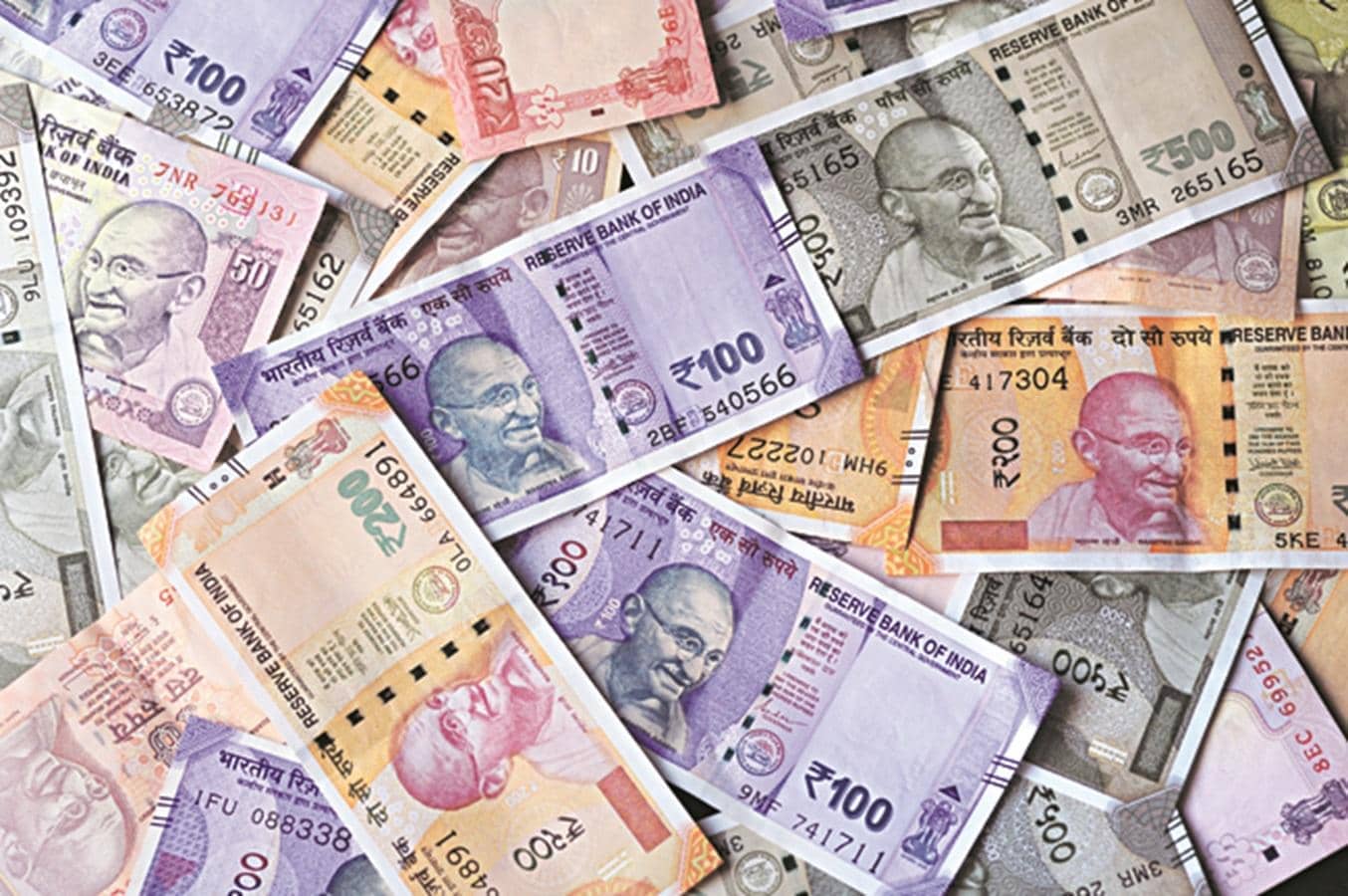
India’s foreign exchange reserves have declined for the fifth week in a row, falling to $726 billion as of October 9, according to data released by the Reserve Bank of India (RBI). The sharp reduction reflects ongoing efforts by the central bank to manage currency volatility amid external pressures.




During the week ending October 9, the country’s forex reserves decreased by $8.6 billion. This comes after a significant drop totaling nearly $60 billion over the last five weeks from a record peak of $785.71 billion recorded on September 4. That high had been bolstered earlier this year when the RBI introduced a concessional swap window in June to attract foreign currency inflows.
Several factors are driving sustained pressure on India’s currency reserves. Elevated global crude oil prices have increased the demand for dollars to pay for imports, while foreign portfolio investors have withdrawn capital from Indian markets, intensifying the need for dollars. To prevent excessive rupee depreciation, the RBI has actively intervened by selling dollars in the currency market.
Gaura Sengupta, chief economist at IDFC First Bank, explained, "The RBI sold approximately $9.8 billion during the week. There was a minor revaluation gain, but overall, the reserves continued to decline." She added that pressure on the reserves is likely to persist as India’s balance of payments remains in deficit amid ongoing demand for foreign currency to cover oil imports.
Breaking down the components of the reserves, foreign currency assets (FCAs) dropped by $7.14 billion to $597.61 billion. Gold reserves also decreased by $1.32 billion, settling at $105.09 billion. Other reserve components such as Special Drawing Rights fell slightly by $109 million to $18.55 billion, and India’s reserve position with the International Monetary Fund declined by $10 million to $4.78 billion.
In response to the pressures, the RBI has introduced several measures aimed at limiting volatility. These include establishing a dedicated dollar window for state-owned oil marketing companies and tightening rules related to foreign exchange derivatives. These initiatives have helped ease some of the strain on the spot market, although they have not fully eliminated the fundamental demand for dollars.
The Indian rupee showed signs of recovery on October 13, strengthening to 94.96 per US dollar, its best level since September 8. This marked a 1.9 percent gain for the week, representing the strongest weekly performance for the rupee in four years. The RBI’s measures announced on October 10 were designed to reduce speculative activity against the rupee and redirect the dollar demand of oil companies away from the spot market into more controlled channels. Additionally, a foreign exchange risk reserve requirement was introduced for certain derivative transactions to manage systemic risks.
A treasury official from a private bank noted, "The RBI’s heavy dollar sales during the week have supported the rupee, but the currency is unlikely to stabilize further unless crude oil prices and the US dollar index fall significantly." This highlights the ongoing challenge faced by Indian policymakers in balancing external market forces with domestic currency stability.
India’s foreign exchange reserves are a crucial buffer that helps the country manage exchange rate fluctuations and maintain confidence among international investors. The current trend reflects broader global economic conditions, including volatility in commodity prices and shifting capital flows. The RBI’s active interventions demonstrate a commitment to preventing excessive currency swings that could disrupt trade and investment.
As India continues to import large quantities of crude oil, the demand for dollars remains significant. This situation underscores the interconnected nature of global energy markets and currency dynamics. Moving forward, the RBI’s policy decisions will be closely watched as the country navigates these external pressures while striving to maintain economic stability.
What's Your Reaction?
 Like
0
 Dislike
0
 Love
0
 Funny
0
 Wow
0
 Sad
0
 Angry
0
















Comments (0)