
Centre Caps Trade Margins on 137 Cancer Drugs, Sparking Industry Debate

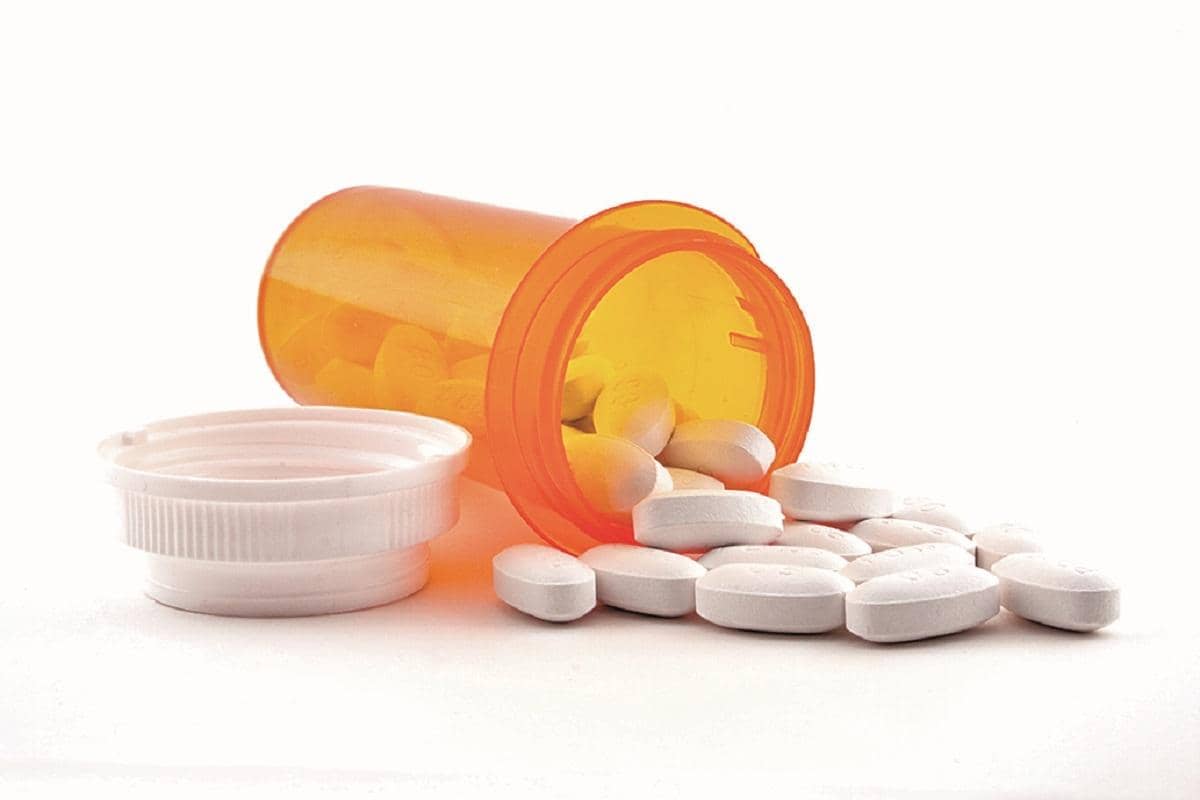
The Indian government has announced a new policy that limits trade margins on 137 cancer medications to 30 percent of their maximum retail price (MRP). This regulation, finalized by the National Pharmaceutical Pricing Authority (NPPA), will come into effect on November 9, 2026. The margin cap translates to a maximum markup of 42.86 percent on the price to stockists or distributors.
This move aims to make oncology drugs more affordable by controlling the additional costs added during distribution. The pharmaceutical industry has generally welcomed the decision, viewing it as a step toward more rational pricing of cancer treatments while ensuring sufficient earnings for channel partners.
Sudarshan Jain, secretary general of the Indian Pharmaceutical Alliance (IPA), expressed support for the NPPA’s trade margin rationalization. He highlighted the importance of striking a balance that preserves affordability for patients and maintains viable margins for those involved in the drug supply chain. Jain also emphasized the need to avoid interruptions in the availability of critical cancer medicines under the new pricing framework.
However, some voices within the healthcare sector have raised concerns about the broader implications of such price controls. Abhay Soi, chairman and managing director of Max Healthcare, pointed out that capping margins on individual drugs without considering the overall costs associated with cancer care could threaten the financial health of hospitals. He explained that hospitals often include expenses for specialized manpower, drug preparation, administration, monitoring, and safety protocols in the drug prices they charge.
According to Soi, these embedded service costs help ensure patient safety and quality of care but are typically not billed separately. Imposing a uniform cap on drug margins without accounting for these factors may squeeze hospital revenues and reduce incentives for investment in infrastructure and capacity expansion.
While the new trade margin cap limits the markups on cancer drugs, these medicines remain non-scheduled products under price control rules. This means they can still see an annual increase in their MRPs of up to 10 percent, allowing some flexibility in pricing adjustments.
Patient advocacy groups have expressed skepticism about the effectiveness of the margin cap in making cancer treatment truly affordable. Malini Aisola, co-convener of the All India Drug Action Network (AIDAN), criticized the exclusion of free drugs distributed through patient assistance programs (PAPs) from the pricing calculations. She described PAPs as strategies that expand market reach by offering discounts or "buy one get one free" deals, which are not adequately reflected in the official trade margin figures.
Aisola warned that ignoring the volume of drugs distributed under PAPs undermines the impact of any reductions in MRPs and could mask the actual profit margins enjoyed by manufacturers and distributors.
There are also apprehensions that hospitals might attempt to compensate for reduced pharmaceutical margins by raising charges related to admissions or chemotherapy sessions. A senior executive from a hospital chain in the Delhi-NCR region told Business Standard that cutting revenues from drug sales without addressing the fixed and operational costs of care would force hospitals to find alternative revenue sources, potentially increasing other patient expenses.
Criticism has also been directed at the process for setting the revised MRPs. Instead of the NPPA independently determining the new prices, pharmaceutical companies have been asked to submit their revised prices within seven days of the official gazette notification issued on October 17, 2026. Some advocates argue this approach may not ensure unbiased price reductions.
The move to regulate cancer drug margins reflects a broader effort by the government to improve access to essential medicines and reduce the financial burden on patients. The oncology drug market in India is substantial and growing, driven by rising cancer incidence and the increasing availability of advanced therapies. Managing costs while sustaining quality care remains a complex challenge for policymakers, healthcare providers, and the pharmaceutical industry alike.
As the November 2026 deadline approaches, stakeholders will be closely watching how this policy unfolds, particularly regarding its impact on drug availability, hospital economics, and patient affordability across the country.
What's Your Reaction?
 Like
0
 Dislike
0
 Love
0
 Funny
0
 Wow
0
 Sad
0
 Angry
0










Comments (0)