
India’s Rice Exports Surge 13% Amid Competitive Pricing and Strong Demand

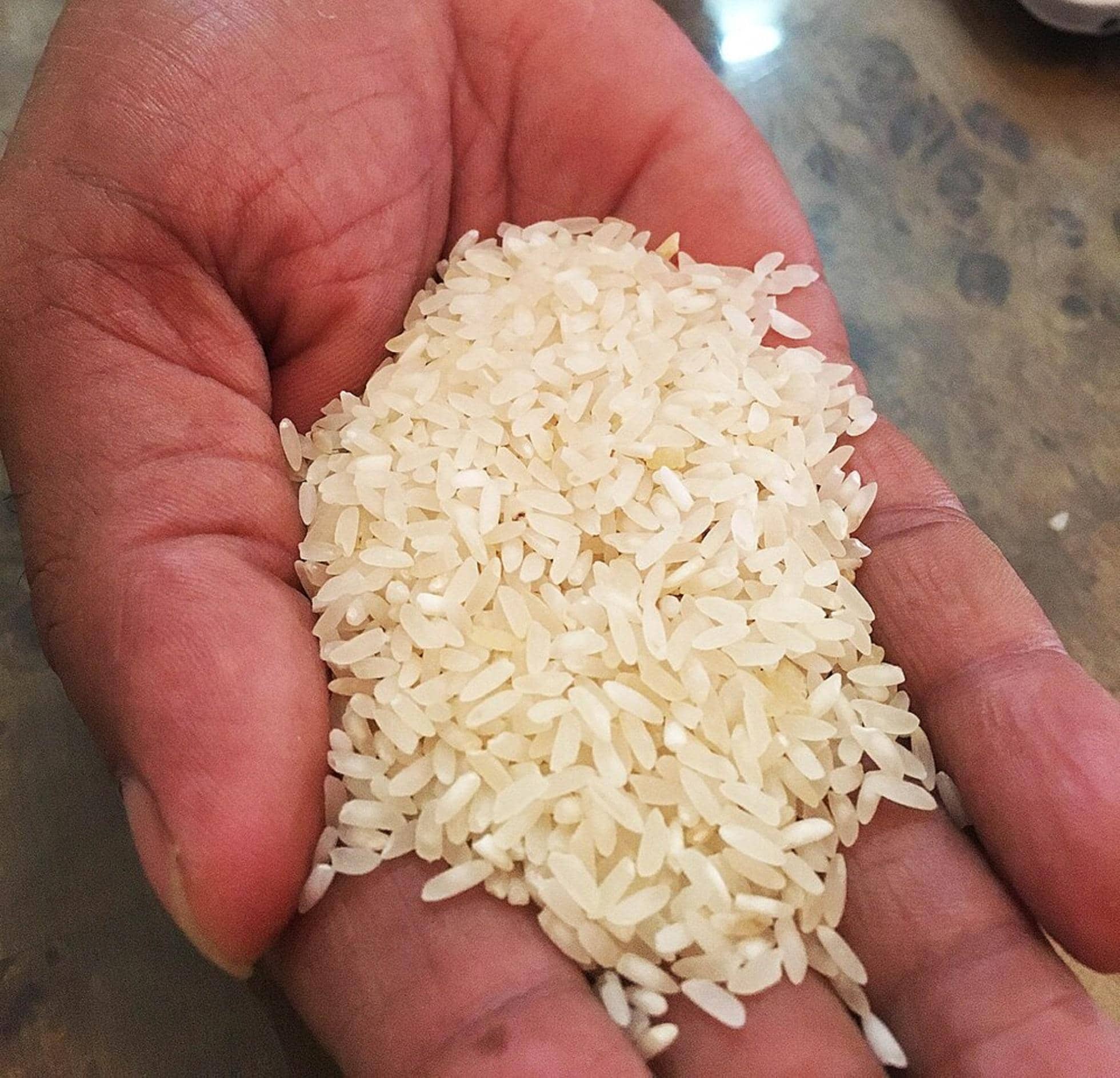
India's rice exports have experienced a notable increase during the first half of the current fiscal year, with values rising by 13 percent compared to the previous period. This growth reflects both the country's abundant rice production and its competitive pricing on the international market, according to insights from the Indian Rice Exporters Federation (IREF).
Dev Gard, the Vice President of IREF, highlighted in a recent interview with PTI that Indian rice is priced roughly 10 percent lower than its closest competitors, such as Thailand and Myanmar. This price advantage is a key factor contributing to India's expanding share in global rice trade. Government statistics confirm this upward trend, showing that rice exports from India reached Rs 54,937.71 crore in the six months ending September of the 2025-26 fiscal year.
The domestic rice production for the 2025-26 crop year, which concluded in June, exceeded 154 million tonnes. This surplus supply has positioned India well to meet increasing international demand. Gard noted that the current export prices for Indian rice are at historically low levels, making Indian rice a preferred option for many importing countries seeking cost-effective grain sources.
Beyond pricing, global rice consumption patterns are shifting due to expected production challenges in other major rice-producing regions. The threat of El Nino, a climate phenomenon known to disrupt weather and agricultural output, is anticipated to reduce yields in some countries. This scenario is likely to boost demand for rice from reliable suppliers like India, which can offer both volume and competitive prices.
Rice is a staple food for over half the world’s population, especially in Asia and parts of Africa. India, as the second-largest rice producer globally, plays a crucial role in stabilizing the international rice market. Its export growth supports food security in countries dependent on imports and contributes significantly to the Indian economy through foreign exchange earnings.
In recent years, India has steadily increased its share in the global rice export market, supported by government policies and improvements in supply chain infrastructure. The country exports several varieties of rice, including basmati and non-basmati types, catering to diverse consumer preferences worldwide.
The rise in exports during the current fiscal period aligns with these broader trends. Market analysts suggest that as long as Indian rice prices remain lower than other options and global demand continues to rise, India’s rice export sector will maintain its positive trajectory.
In summary, India’s rice export performance in the first half of FY26 reflects a combination of strategic advantages: large production volumes, competitive pricing, and favorable global demand conditions shaped partly by climatic uncertainties elsewhere. This outlook provides optimism for exporters and stakeholders within the rice industry as they prepare for the remainder of the fiscal year.
What's Your Reaction?
 Like
0
 Dislike
0
 Love
0
 Funny
0
 Wow
0
 Sad
0
 Angry
0











Comments (0)