
Wheat Cultivation Area Steady for 2026-27 Despite Low Monsoon Rainfall

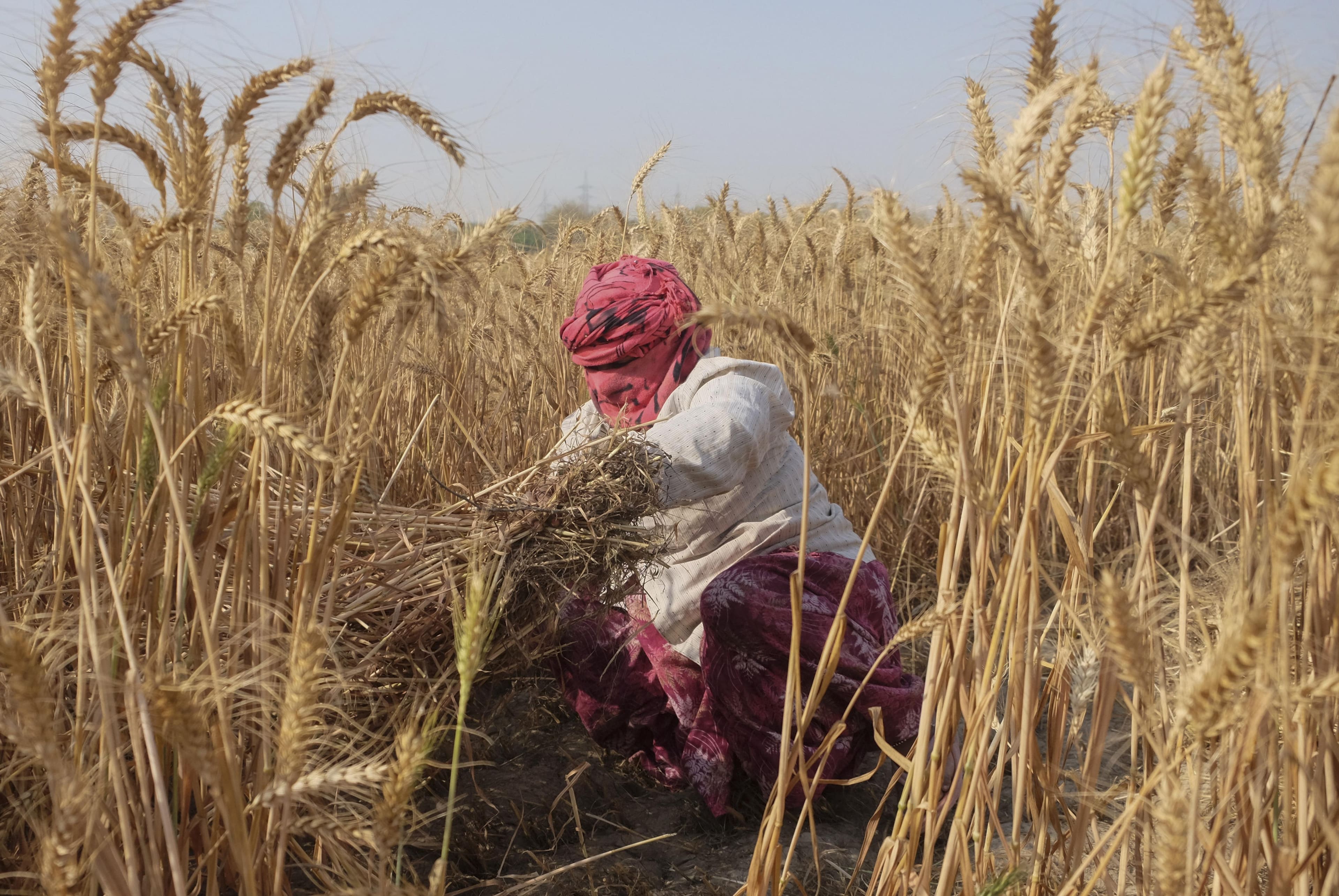
Indian wheat cultivation acreage is projected to hold steady during the 2026-27 rabi season, despite receiving below-average monsoon rainfall this year. This outlook raises optimism about achieving another strong wheat harvest, according to a recent report by Mint.
The Ministry of Agriculture has established a wheat production target of 121 million tonnes for the 2026-27 crop year. This follows the record-breaking output of 120.7 million tonnes recorded in the previous year. As per data from the Ministry of Agriculture, wheat was sown on approximately 33.6 million hectares during the 2025-26 season.
M L Jat, the secretary of the Department of Agricultural Research and Education and director general of the Indian Council of Agricultural Research (ICAR), explained that irrigation infrastructure in major wheat-growing states is expected to mitigate the effects of the deficient monsoon on sowing decisions. States such as Punjab, Haryana, Madhya Pradesh, Rajasthan, Uttar Pradesh, Bihar, and Gujarat are key contributors to India’s wheat output.
Wheat is a dominant rabi crop, typically planted in October and November and harvested in March and April. The final production depends not only on the area planted but also on crop health and yield performance throughout the growing cycle.
Regarding rainfall, the southwest monsoon season, which lasts from June through September, recorded a deficit of 13 percent nationwide. The northwestern region experienced a 6 percent shortfall, while central India’s rainfall was 3 percent below normal levels. Despite this, rainfall in October has improved soil moisture in some northwestern states, particularly in crucial wheat-growing zones of Uttar Pradesh, Punjab, and Haryana.
Wheat crops require less water compared to paddy, which helps lessen the impact of inconsistent rainfall on farmers’ planting choices. However, rainfall patterns remain uneven across regions. From October 1 to 14, the northwest received 12 millimeters of rain compared to the normal 13.1 millimeters, a deficit of 9 percent. Central India saw a much more significant shortfall, with just 1.9 millimeters against the usual 37.3 millimeters, a 95 percent deficit.
India’s wheat stockpile also provides a buffer against supply challenges. As of September 16, central pool wheat stocks stood at 47.44 million tonnes, well above the buffer stock requirement of 27.58 million tonnes. This surplus offers the government flexibility to fulfill food security needs, support welfare programs, and ensure domestic availability of wheat.
It is important to note that having large stockpiles does not automatically translate to lower wheat prices. Market demand, procurement costs, and government policies also influence pricing dynamics.
For the 2027-28 marketing season, the government has increased the minimum support price (MSP) for wheat to ₹2,610 per quintal, up from ₹2,585 per quintal last season. This adjustment reflects ongoing efforts to support farmers and stabilize the agricultural market.
While the production target suggests confidence in a robust wheat supply, the actual harvest outcome will depend heavily on weather conditions and crop development in the months ahead. With irrigation playing a crucial role in counteracting rainfall deficits, the agriculture sector continues to adapt to variable climatic factors to maintain food production stability.
What's Your Reaction?
 Like
0
 Dislike
0
 Love
0
 Funny
0
 Wow
0
 Sad
0
 Angry
0












Comments (0)