
GLP-1 Weight-Loss Drug Market in China, India, Brazil to Hit $22B by 2035

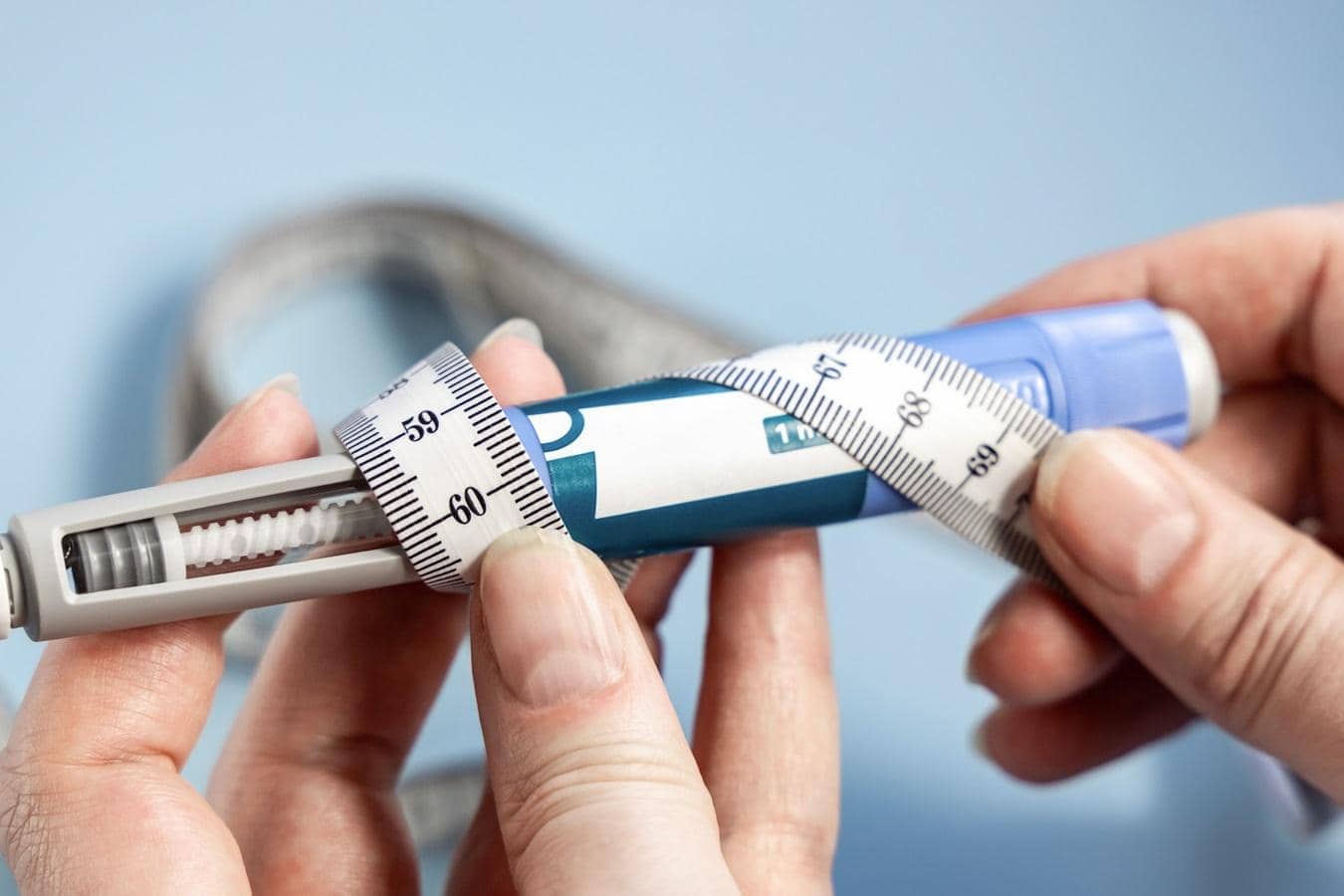
The market for GLP-1 weight-loss medications in China, India, and Brazil is expected to expand dramatically, reaching an estimated $22 billion by 2035, according to a recent analysis by JP Morgan. This projection marks a significant increase from the current combined market value of $6.6 billion as these countries improve access and affordability for patients.
GLP-1 drugs, which include Novo Nordisk's Ozempic and Wegovy as well as Eli Lilly's Zepbound, have emerged as top treatments globally for both weight management and diabetes control. These medications work by mimicking the glucagon-like peptide-1 hormone, which helps regulate blood sugar and appetite.
JP Morgan analysts, led by Yang Huang, emphasized that the growth potential in these three populous nations is driven by their substantial diabetes and obesity challenges. China alone accounts for more than a quarter of the world's diagnosed diabetes cases, while India contributes approximately 15%. Brazil has a noteworthy diabetes prevalence as well, with about 12% of its adult population affected.
The obesity epidemic is also intensifying in these countries. By 2030, over 65% of China’s population may be classified as overweight or obese. India, which currently has lower obesity rates, is projected to see its adult obesity rate rise to 11% by 2035. Brazil faces similar concerns, with growing numbers of overweight adults.
JP Morgan's report highlights that these factors create a fertile environment for expanding GLP-1 drug use, especially as prices become more accessible. The analysts point out that patent expirations, generic alternatives, and government policies aimed at reducing drug costs are making these therapies more affordable. This shift is enabling emerging markets to catch up with developed countries in adopting these treatments.
Despite the promising outlook, GLP-1 drug penetration remains quite low in China and India, with usage rates below 0.1% and 0.2% respectively. By contrast, the United States currently sees penetration rates of 4% to 5%. Brazil, the largest of the three markets today, is projected to reach only 7% to 8% penetration among its obese population by 2035, still well below U.S. levels.
JP Morgan anticipates that China will surpass Brazil as the leading market for GLP-1 drugs by 2027, with its market size potentially reaching $13.7 billion by 2035. This growth will be supported by China’s vast diabetes patient base and expanding reimbursement programs for these medications. Brazil’s market is expected to grow to around $8 billion by the same year.
India remains the smallest market of the three. Local cultural attitudes, including hesitancy towards injectable therapies, and pricing concerns are significant hurdles. These factors contribute to slower adoption rates compared to China and Brazil.
Investors interested in benefiting from the growth of GLP-1 treatments in these regions may focus on key pharmaceutical companies. JP Morgan highlights China's Innovent, India’s Divi's Laboratories and Torrent Pharmaceuticals, and Brazil's RD Saude as notable players positioned to capitalize on this expanding market.
The increase in GLP-1 drug availability and usage in these emerging markets reflects a broader global trend of tackling chronic health issues such as obesity and diabetes through advanced pharmaceutical options. As these countries improve healthcare infrastructure and affordability, more patients will gain access to effective treatments, potentially easing the burden of these conditions over time.
What's Your Reaction?
 Like
0
 Dislike
0
 Love
0
 Funny
0
 Wow
0
 Sad
0
 Angry
0









Comments (0)