


Preventing Basement Stair Falls in Seniors: Lessons from a Painful Incident

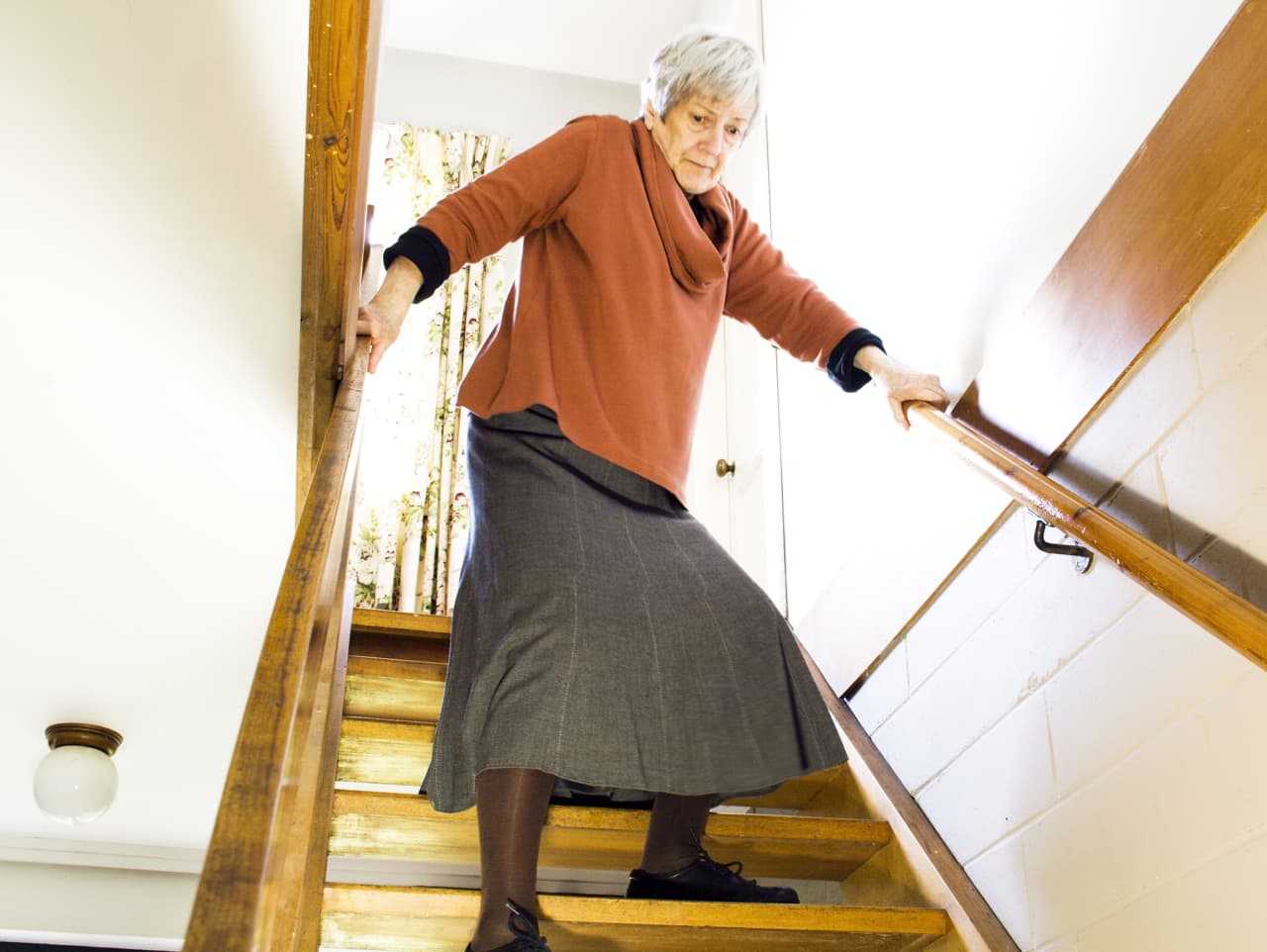


Falls among older adults are a significant health concern, often resulting in serious injuries and complications. A recent incident involving a woman in her 80s who fell down basement stairs highlights the risks that many seniors face in their own homes. The fall not only caused immediate pain but also led to the development of pleural effusion, a condition where fluid accumulates between the lungs and ribs, compressing the lungs and making breathing difficult.




This case serves as a reminder of the challenges that home environments can pose to elderly individuals, especially when it comes to navigating areas like staircases. Basements, in particular, can be hazardous due to poor lighting, uneven steps, or lack of proper handrails. For seniors, whose balance, strength, and reflexes may decline with age, these risks are amplified.
Pleural effusion, the complication that arose following the fall, is a medical condition that can develop after trauma. It involves the buildup of excess fluid between the layers of tissue lining the lungs and chest cavity. This fluid accumulation compresses the lungs, reducing their ability to expand and making breathing laborious. While pleural effusion itself is a separate health issue, it underscores the seriousness of injuries that can result from falls.
Preventing such accidents involves a combination of home modifications and awareness. Installing secure handrails on all staircases is a fundamental safety measure. Adequate lighting is equally important to ensure that each step is clearly visible. Removing clutter and ensuring that stair treads are non-slip can further reduce the likelihood of falls.
For seniors living independently, regular assessments of their home environment can identify potential hazards before accidents occur. Family members and caregivers play a critical role in supporting these safety checks and encouraging safe practices. Sometimes, the use of assistive devices like canes or walkers can provide additional stability when moving through challenging areas.
Medical professionals also emphasize the importance of maintaining good health to minimize fall risk. This includes managing vision and hearing impairments, reviewing medications that may affect balance, and engaging in exercises that improve strength and coordination.
Falls remain one of the leading causes of injury hospitalization among older adults. The consequences extend beyond physical injuries to include emotional impacts such as fear of falling again, which can reduce mobility and independence. Recognizing the risks in everyday spaces like basements can lead to timely interventions that protect seniors from harm.
In summary, the painful experience of this elderly woman after her basement stair fall is a cautionary tale about the importance of fall prevention measures. Addressing environmental hazards, supporting physical health, and fostering awareness can help reduce the likelihood of such accidents and their serious complications.
What's Your Reaction?
 Like
0
 Dislike
0
 Love
0
 Funny
0
 Wow
0
 Sad
0
 Angry
0

















Comments (0)