


Indian Markets Drop as RBI's Hawkish Stance Hits Rate-Sensitive Sectors

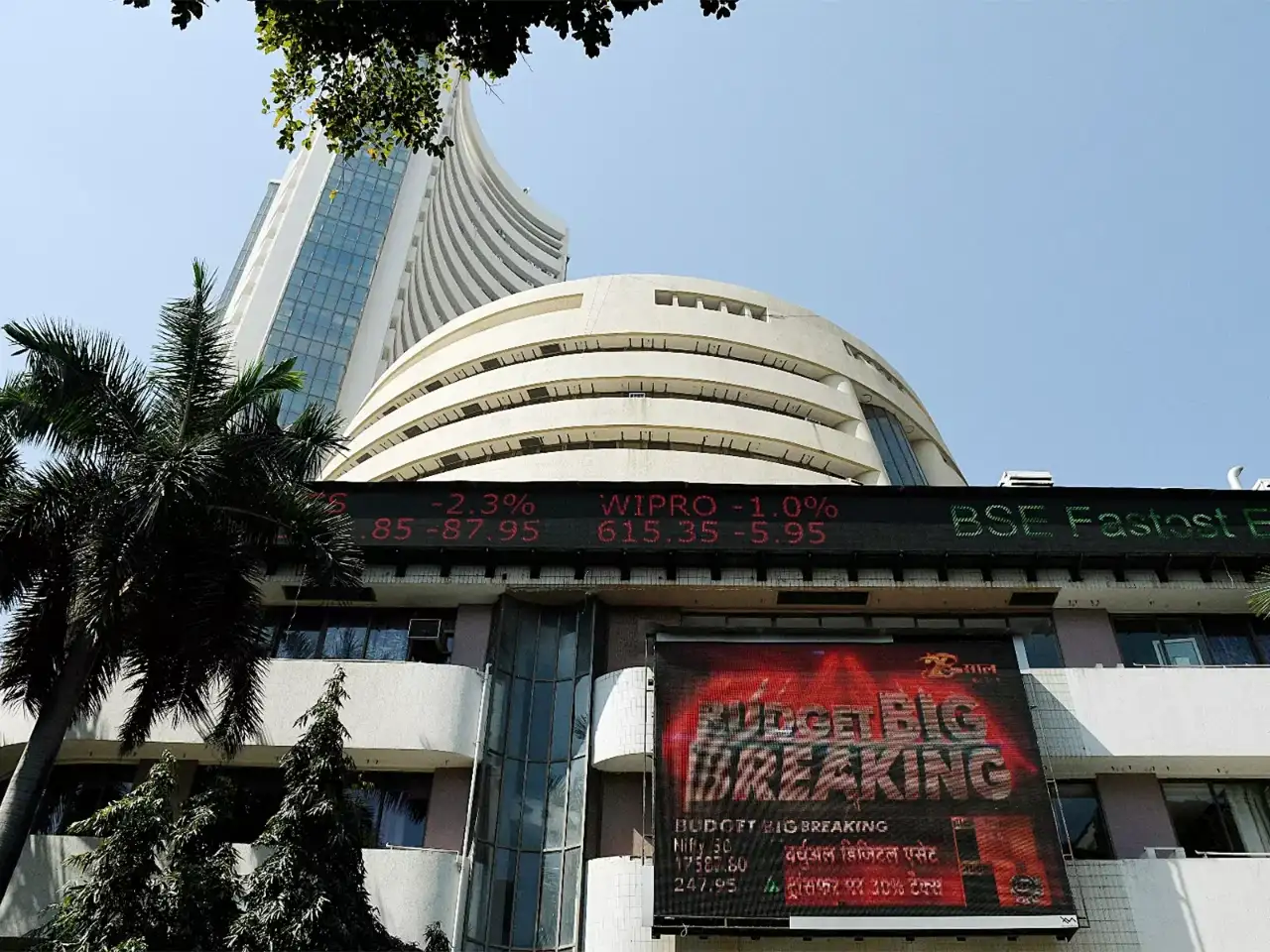


Indian equity markets continued their downward trajectory on Thursday, with key indices retreating sharply following signals from the Reserve Bank of India (RBI) pointing to a firm stance on monetary policy. This hawkish approach by the central bank exerted pressure on sectors sensitive to interest rate changes, prompting a broad-based sell-off and recalibration of near-term valuations.




The Nifty 50 index closed at 22,231.80, shedding 371.25 points or 1.64%. Meanwhile, the benchmark Sensex retreated by 1,045.46 points, or 1.46%, to finish at 71,593.24. The losses were widespread across the market, with midcap and smallcap segments experiencing even steeper declines. The Nifty Midcap 100 and Nifty Smallcap 100 indices each fell by about 3%, reflecting heightened investor caution.
Sectors most impacted included metals and real estate, which led the declines. The Nifty Metal and Nifty Realty indices dropped over 3%, underscoring the sensitivity of these industries to rising borrowing costs and shifting economic expectations. The market breadth mirrored the negative sentiment, with only 660 stocks falling on the National Stock Exchange (NSE) compared to 2,950 advancing, while 112 remained unchanged.
Among specific companies, the Adani Group's stocks experienced significant pressure amid the broader market downturn. Shares of Adani Enterprises and Adani Green were among those that tumbled up to 10%, adding to the volatility seen in major conglomerate stocks during this phase.
From a technical perspective, the Nifty's performance raised concerns about the medium-term outlook. The index closed below its monthly 50-day simple moving average (SMA), a key indicator watched closely by traders. It also breached important support levels in the range of 22,550–22,600 and 22,400 points, bringing the psychological 22,000 mark into focus. Experts suggest that any attempt at recovery may encounter resistance near 22,400 and then 22,600 points, signaling challenges ahead for bulls.
Hariselvan Radhakrishnan, founder and CEO of HST Wealth, noted that the current technical setup indicates a deterioration in the medium-term price structure, implying caution for investors looking to re-enter the market at this juncture.
The Reserve Bank of India has recently maintained a firm tone on inflation and monetary tightening, which has led to speculation about further interest rate hikes. Higher rates typically increase borrowing costs for companies and consumers, influencing business investment and spending patterns. Sectors such as metals and real estate tend to be especially sensitive to these changes, given their reliance on credit and capital-intensive operations.
This market environment comes amid a global backdrop where central banks in many countries are adjusting policies to manage inflationary pressures, adding layers of complexity for Indian investors. The interplay between domestic policy decisions and international economic conditions continues to shape market sentiment and valuations.
Investors are advised to consider the broader macroeconomic context and the implications of the RBI's approach when making portfolio decisions. The recent sell-off reflects a reassessment of risk amid tightening liquidity conditions and evolving economic forecasts.
Disclosure: This article was prepared by Kumar Gaurav, who is not a SEBI-registered research analyst or investment adviser. Neither Gaurav nor their relatives hold financial interests in the companies mentioned as of the publication date. The views expressed are those of the respective SEBI-registered analysts or brokerage firms, reproduced here with proper attribution. Readers should consult original research reports and conduct their own analysis before making investment choices.
What's Your Reaction?
 Like
0
 Dislike
0
 Love
0
 Funny
0
 Wow
0
 Sad
0
 Angry
0

















Comments (0)