


Former RBI Chief Calls for Employment-Focused Growth in India

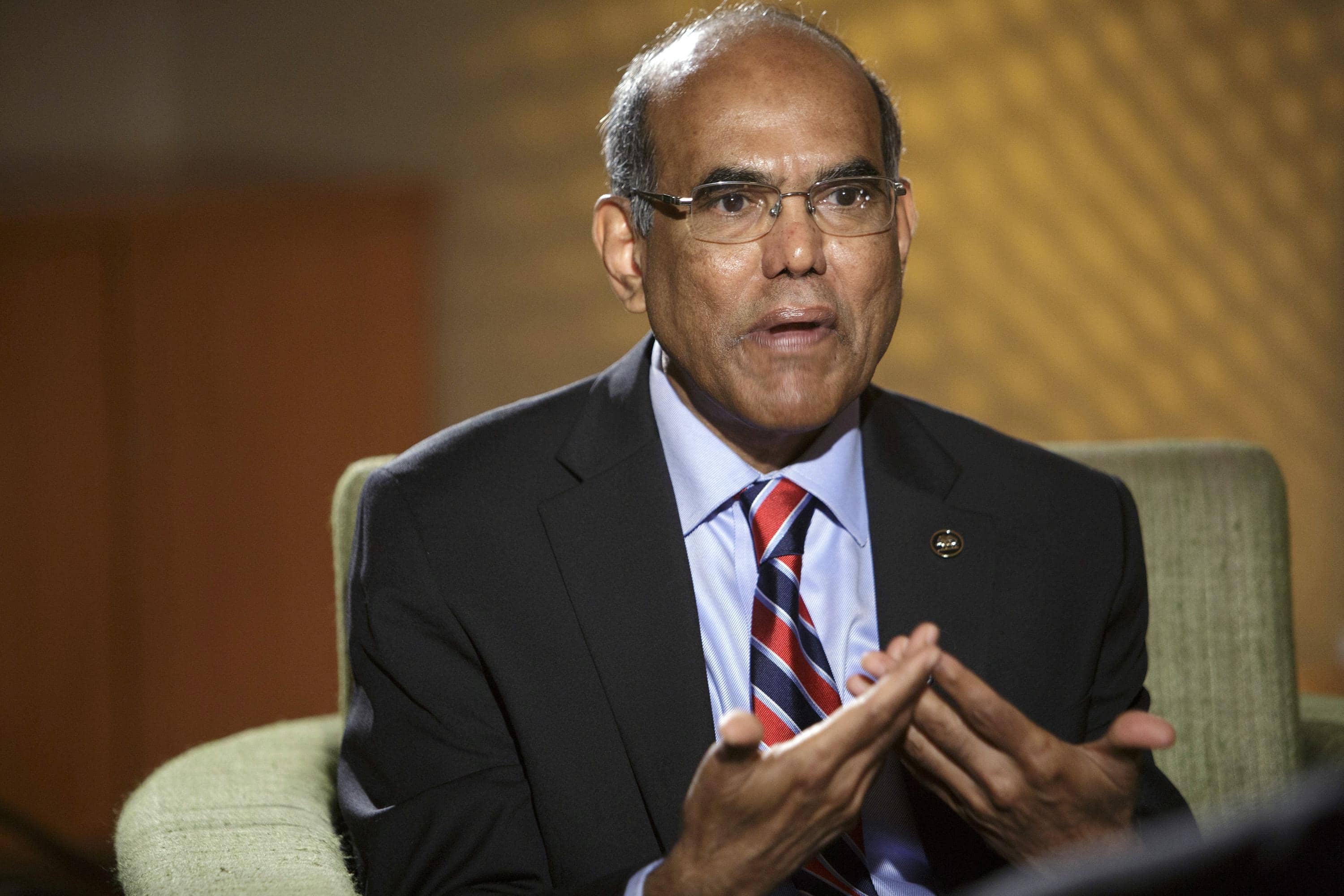


India’s economic expansion is showing signs of resilience, but former Reserve Bank of India Governor D Subbarao warns that fast growth alone is not enough. He emphasizes the importance of making growth employment-intensive, productive, and sustainable over the long term.




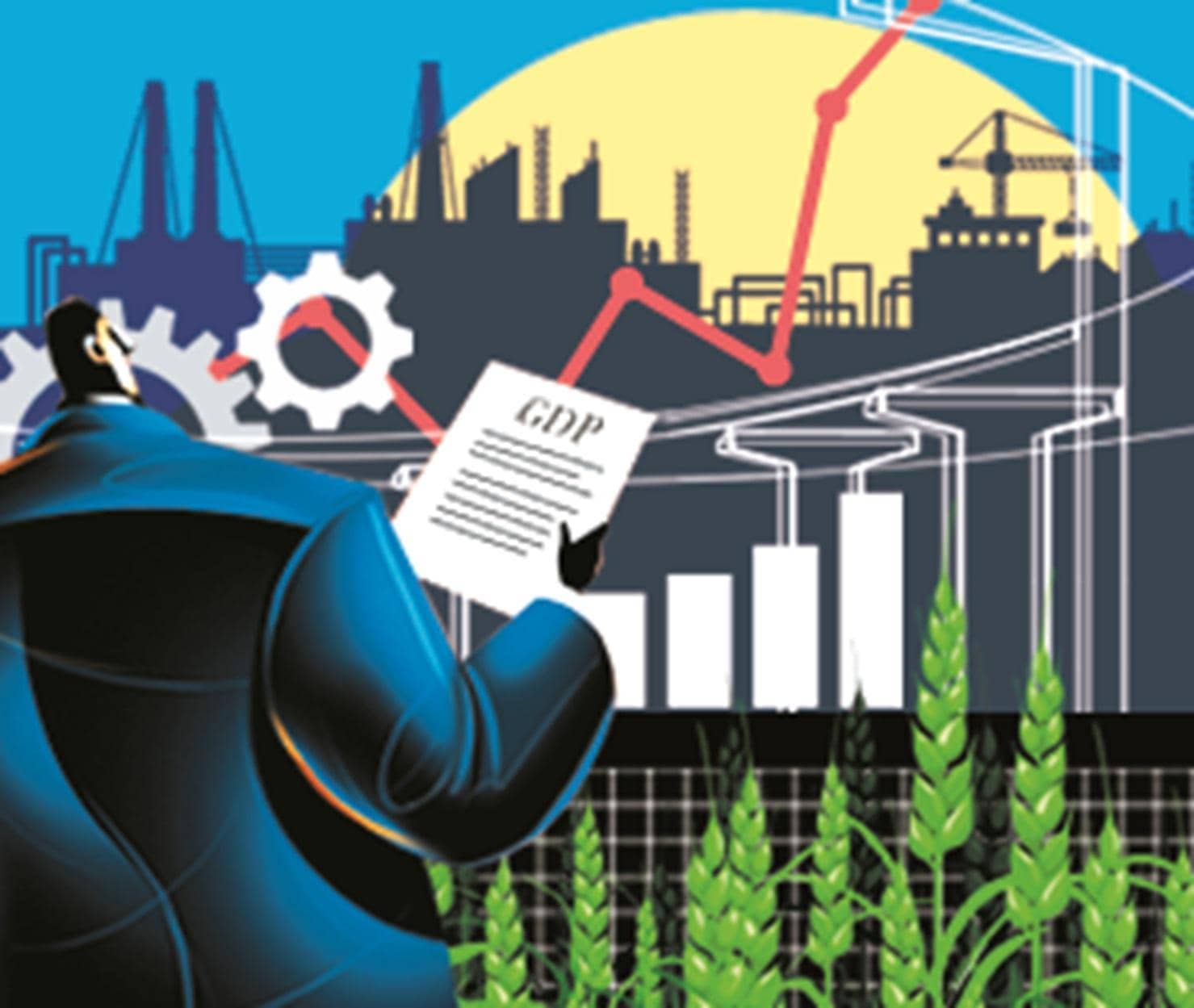
In a recent statement to PTI, Subbarao highlighted the country’s 7.8 percent GDP growth in the first quarter as an indicator of economic strength that surpassed many expectations. However, he cautioned that maintaining growth above 7 percent annually will require more than just favorable numbers. "The challenge is not merely to grow fast, but to make growth productive, employment-intensive and resilient," he said.
Subbarao identified key areas crucial for sustaining such growth. These include boosting private sector investment, expanding manufacturing activities that generate jobs, improving the skills and quality of human capital, and enhancing India’s integration within global value chains. He stressed that these components are essential to creating a growth model that benefits a broad segment of the population.
Private investment has long been considered a cornerstone for economic development, as it drives capital formation and innovation. Subbarao’s remarks underscore the need for policies and environments that encourage businesses to invest more heavily in Indian markets. This is especially important in manufacturing, where labor-intensive sectors can absorb large numbers of workers, helping to address unemployment challenges.
India’s demographic profile makes employment growth particularly urgent. With a large and youthful population entering the workforce each year, creating sufficient job opportunities is vital for social stability and economic progress. Manufacturing sectors such as textiles, electronics, and automotive parts have the potential to generate significant employment if supported by conducive policies and infrastructure.
Alongside expanding job-rich industries, Subbarao emphasized the role of human capital development. Enhancing education and skill-building initiatives can equip workers to meet evolving industry demands and improve productivity. This focus aligns with broader government efforts to improve workforce readiness and promote skill development programs.
Global integration also figures prominently in Subbarao’s outlook. Deeper participation in international value chains can help Indian businesses access new markets, technologies, and investment opportunities. This can boost exports and strengthen the country’s position in the global economy, contributing to more sustainable growth.
Supporting Subbarao’s perspective, the World Bank recently raised its forecast for India's GDP growth in the current fiscal year to 7.1 percent, an increase of half a percentage point from earlier estimates. This revision reflects strong domestic demand and robust export performance despite ongoing global economic challenges.
India’s growth trajectory has significant implications not only domestically but also for the global economy. As one of the fastest-growing major economies, India’s ability to maintain high growth rates while creating jobs is critical. It can influence global trade flows, investment patterns, and regional economic dynamics.
While India has made progress in recent years, challenges remain. Infrastructure gaps, regulatory hurdles, and labor market rigidities can hamper the expansion of manufacturing and private investment. Policymakers must address these issues to realize the vision of inclusive and resilient growth.
In summary, the message from D Subbarao is clear: India’s economic agenda must prioritize growth that translates into meaningful employment opportunities and improved productivity. Achieving this will require coordinated efforts across government, industry, and civil society to build a more inclusive and sustainable economic future.
What's Your Reaction?
 Like
0
 Dislike
0
 Love
0
 Funny
0
 Wow
0
 Sad
0
 Angry
0














Comments (0)