


India’s National Steel Policy Draft Aims for 604 MT Capacity by 2047

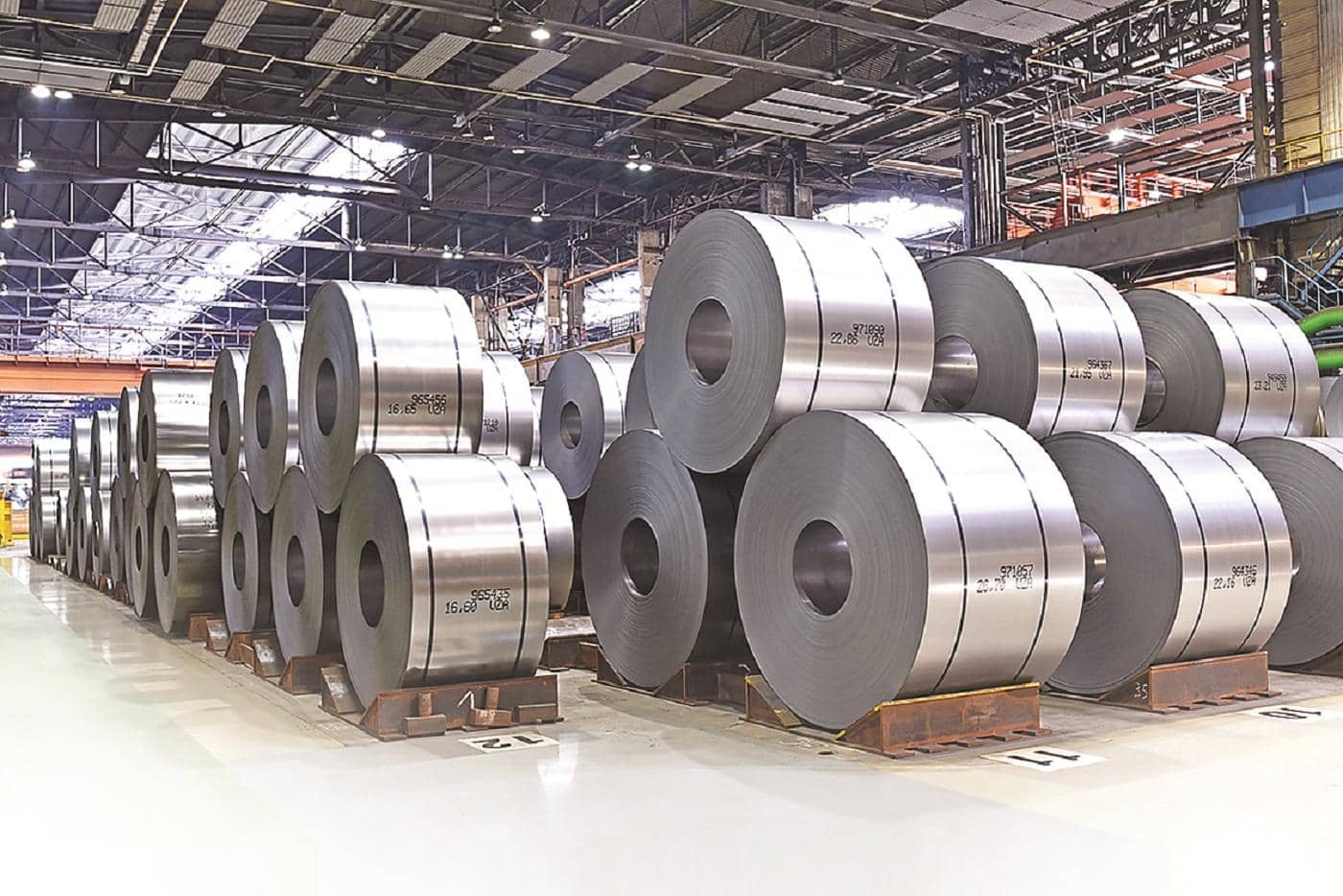


The Ministry of Steel has unveiled a draft version of its National Steel Policy-Vision 2047, outlining ambitious plans to boost India's crude steelmaking capacity to 604 million tonnes (MT) by the year 2047. This target marks nearly a threefold increase from current projections and reflects a strategic effort to enhance domestic steel production, secure essential raw materials, and reduce the sector's environmental impact.




According to the draft policy, crude steel output is expected to reach 531 MT by 2047, a substantial rise from the estimated 170 MT in 2025. Finished steel consumption is projected at 505 MT, with per capita consumption increasing to 302 kilograms from the present 116 kilograms. The government also aims to export 45 MT of steel annually by that time.
These projections are based on the assumption of an annual GDP growth rate of approximately 7 percent and a capacity utilization rate of 88 percent in the steel sector. For context, the sector's utilization rate stood at 77 percent in 2025, indicating room for expansion.
Achieving these ambitious goals will require a significant increase in the availability of raw materials. The draft estimates that iron ore demand will more than double, rising to 772 MT by 2047 from 299 MT in 2025. Similarly, coking coal consumption is expected to triple, reaching 236 MT compared to 72 MT currently. The requirements for manganese ore are forecasted to rise to 34 MT, while the combined demand for limestone and dolomite is projected at 128 MT.
To address these needs, the policy emphasizes reducing dependence on imports by enhancing domestic mining operations and acquiring overseas assets. Raw materials constitute about 65 to 70 percent of steel production costs. While India is largely self-sufficient in iron ore, it imports around 92 percent of its coking coal.
The draft outlines several strategies to secure raw materials, such as expanding washery capacity, establishing long-term supply agreements, and utilizing artificial intelligence to optimize coal blending. These measures aim to strengthen supply chains and improve resource efficiency.
The current National Steel Policy, established in 2017, was designed with a horizon up to 2031. Since then, the steel sector has evolved, facing new challenges such as carbon emissions reduction, capacity growth, import substitution, and the integration of digital technologies. The ministry is actively seeking input from industry stakeholders to refine the draft policy.
Infrastructure improvements are also a key part of the plan. One major proposal is to increase the capacity of iron ore slurry pipelines dramatically—from about 18 million tonnes per annum (MTPA) today to over 299 MTPA by 2047. Presently, slurry pipelines transport only 1 percent of iron ore, with the majority moved by rail and road.
However, this expansion faces hurdles including regulatory approvals, land acquisition difficulties, local opposition, and environmental concerns related to water usage. The draft suggests creating a single-window clearance system and offering viability gap funding to support the development of slurry pipelines for iron ore and coking coal.
The policy also sets environmental targets, aiming to reduce the carbon dioxide emissions intensity in steel production from 2.54 tonnes per tonne of crude steel now to 1.54 tonnes by 2047. This represents a 39 percent reduction but remains above the global average emission intensity of 1.92 tonnes. The steel industry currently accounts for approximately 10 to 12 percent of India’s total carbon emissions.
The transition toward greener steelmaking will be phased. Early efforts will focus on improving energy and resource efficiency, increasing renewable energy use, and recycling more scrap steel. Later stages will see adoption of advanced technologies such as green hydrogen-based direct reduced iron and carbon capture, utilization, and storage (CCUS) to tackle residual emissions.
Scrap steel availability is expected to increase from 36 MT in 2025-26 to 123 MT by 2047-48. The draft proposes a mission-mode campaign akin to the Swachhata Abhiyan to collect scrap from various sources including household goods, obsolete products, demolition waste, industrial assets, and end-of-life vehicles. Extended producer responsibility systems are also planned for sectors like vehicle manufacturing, construction debris, and consumer durables.
Another area needing improvement is the underutilization of domestic coking coal washeries. Although installed capacity is about 39 MTPA, actual output is roughly 6 MT, reflecting low yields of 40 percent. The policy promotes expanding washing facilities, better coal blending, and exploring overseas coal assets.
Safety and innovation receive attention as well. The draft proposes establishing the Steel Industry Safety Council (SISC) as the top authority to oversee safety standards, occupational health, process safety, and disaster management across the steel sector. This council would be supported by the Steel Industry Safety Directorate (SISD), staffed by experts from within the industry.
Technological advancements are encouraged through plans for a Steel Digital Centre of Innovation and a national steel data platform. These initiatives will collect and analyze data on production, quality, energy use, emissions, logistics, and raw materials, helping modernize the sector and monitor substandard steel imports using artificial intelligence.
This draft policy comes at a crucial time as India strives to expand its steel industry while aligning with sustainability goals. Its comprehensive approach addresses capacity building, resource security, environmental responsibility, and technological progress, setting a framework for the sector’s growth over the next quarter century.
What's Your Reaction?
 Like
0
 Dislike
0
 Love
0
 Funny
0
 Wow
0
 Sad
0
 Angry
0













Comments (0)