


China’s Non-Tariff Barriers Challenge Indian Export Growth: Sitharaman

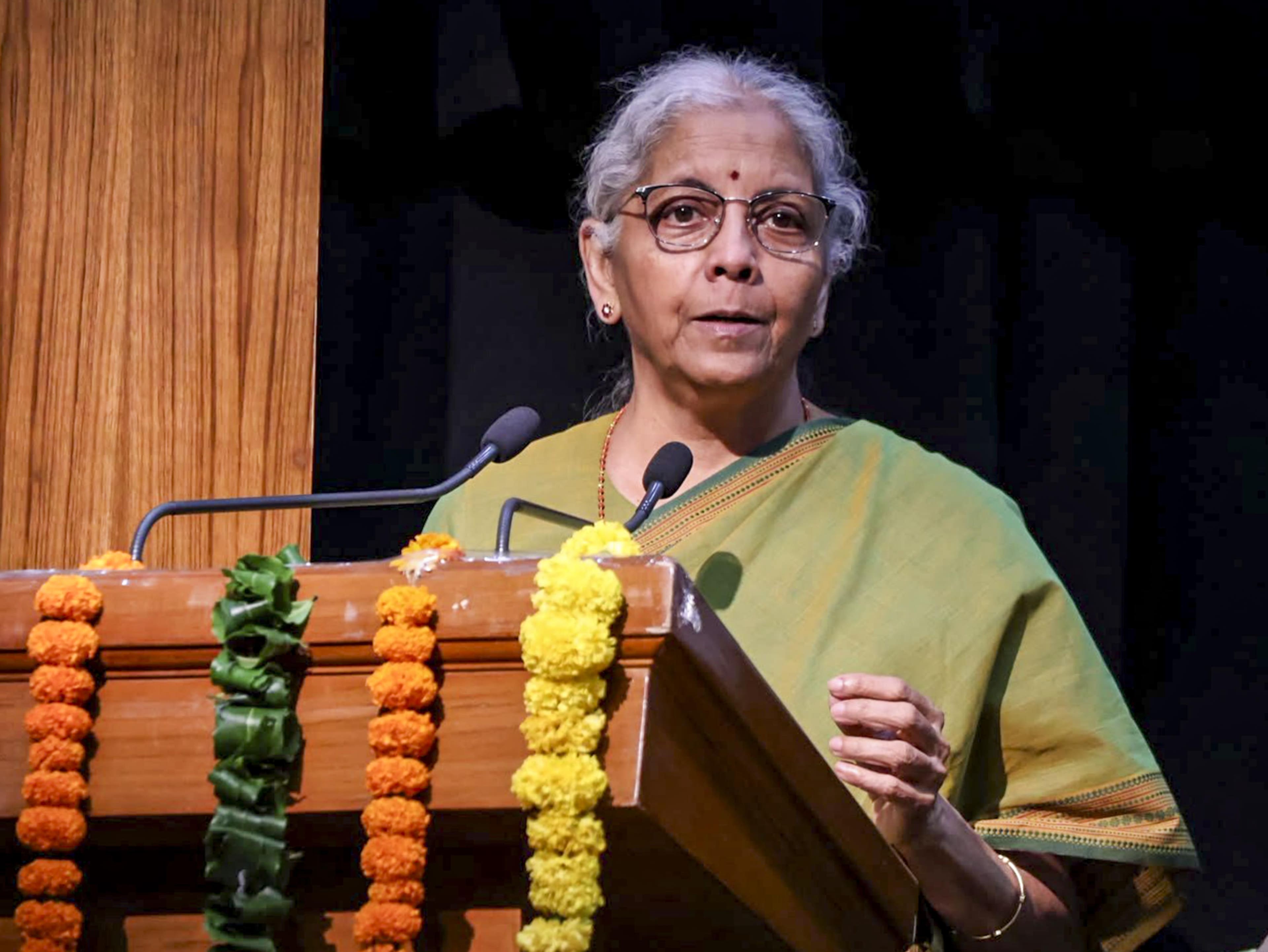


India's Finance Minister Nirmala Sitharaman identified China’s non-tariff barriers as the primary obstacle hindering the expansion of Indian exports to the Chinese market. Speaking at an Atlantic Council event during the International Monetary Fund and World Bank annual meetings in Bangkok, she emphasized that despite strong demand for Indian products such as generic medicines, bovine meat, and agricultural goods, China continues to restrict market access through regulatory hurdles rather than tariffs.




Sitharaman pointed out that over the past decade, India has persistently sought better entry for its goods into China but has encountered persistent roadblocks. "Non-tariff barriers are the biggest hurdle in trade between India and China," she stated, underscoring the sharp rise in India’s trade deficit with China, which has more than doubled from $52.7 billion in fiscal year 2016 to $112 billion in fiscal year 2026.
She noted that India has explored discussions on sanitary and phytosanitary standards and other regulatory issues that could facilitate trade, yet meaningful progress remains limited. The imbalance reflects India's struggle to gain equitable access despite clear competitive advantages in targeted sectors.
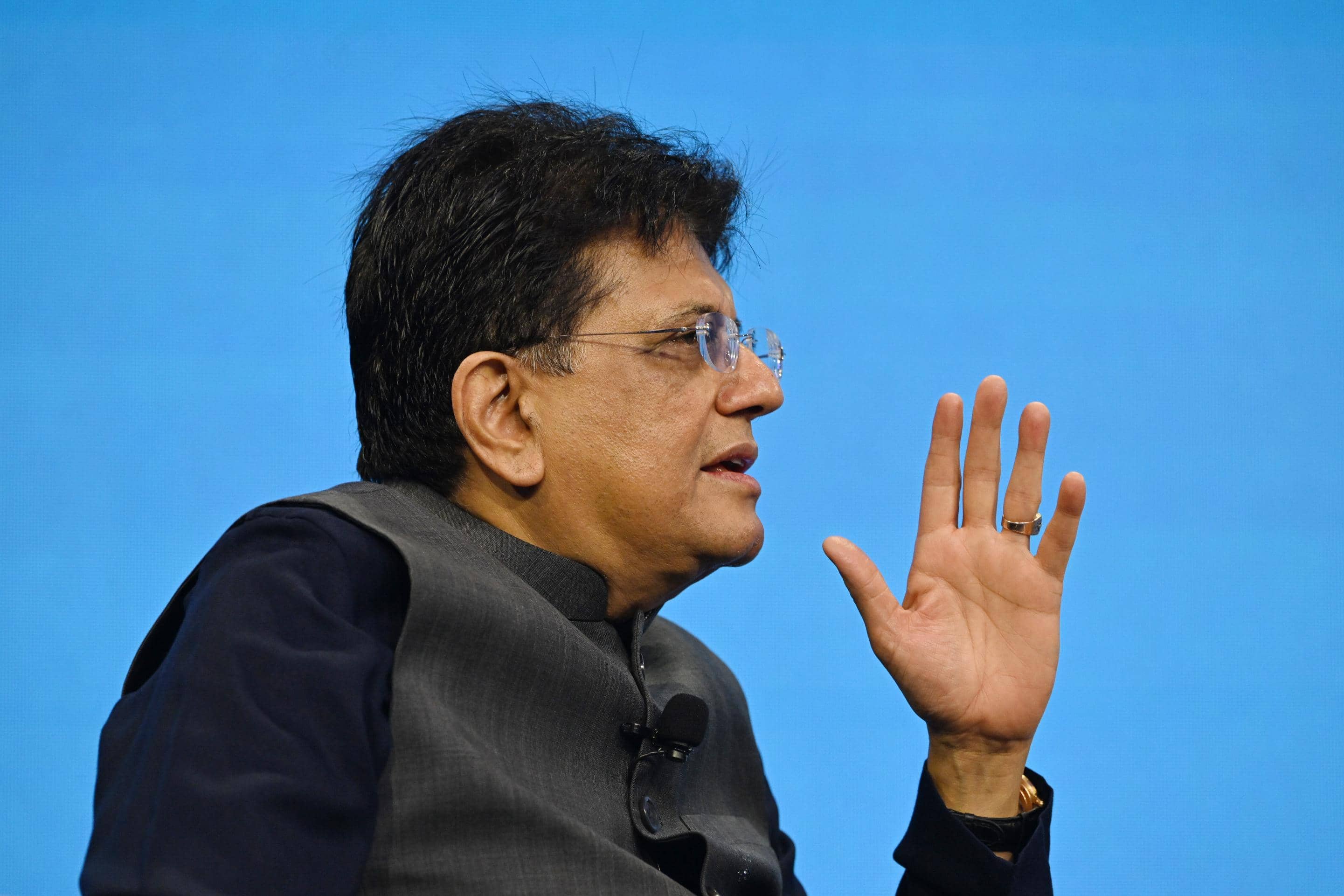
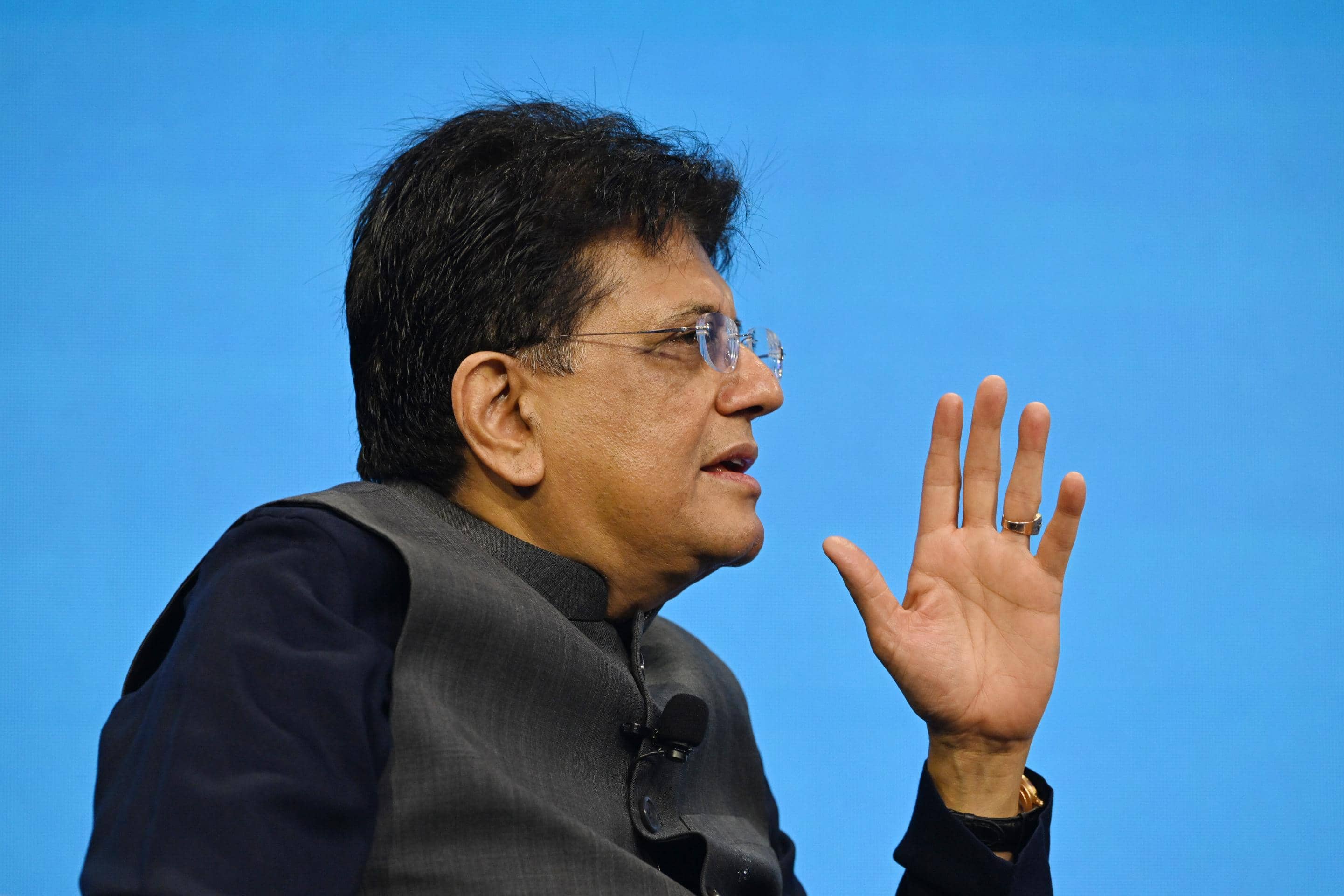
The finance minister’s remarks follow those of Trade Minister Piyush Goyal, who recently remarked India is attempting to rebuild ties with China but cautioned that the process is still ongoing. Goyal said at the Bloomberg New Economy Forum, "We are working to develop relations with China once again, but the last word has not been scripted on this journey." This signals a cautious approach amid complex geopolitical and economic dynamics.
India’s stance has been to avoid retaliatory trade measures such as countervailing duties or erecting its own non-tariff barriers in response. Sitharaman explained, "India prefers negotiations rather than punitive tariffs. We sit and talk, even if it’s tiresome, rather than responding with similar barriers." This approach contrasts with some countries that resort quickly to trade restrictions to address imbalances.
In addition to China, Sitharaman addressed India’s trade agreements with other regions. She called for a review of the trade pact with the Association of Southeast Asian Nations (ASEAN), citing concerns that benefits have skewed disproportionately in favor of ASEAN countries. More than ten years after the agreement was signed, she said, it is essential to evaluate its effects on Indian manufacturers and importers. India’s trade deficit with ASEAN nations has surpassed $50 billion in fiscal year 2026.
The finance minister also defended India's decision to stay out of the Regional Comprehensive Economic Partnership (RCEP) trade bloc. She stated, "We took a conscious call to stay out of RCEP because we didn't think it was going to do any help for us." This reflects Delhi’s cautious calculation of the costs and benefits of multilateral trade deals.
Despite these challenges, India’s exporters have demonstrated resilience in a volatile global trade environment. Sitharaman highlighted that Indian businesses have successfully diversified and penetrated alternative markets, including those imposing high tariffs on Indian goods. In September, India’s exports of goods and services grew by 23 percent, a testament to exporters’ adaptability.
Looking ahead, India remains committed to multilateralism but is actively pursuing bilateral trade agreements to strengthen its global trade footprint. Sitharaman cited ongoing negotiations with the European Union, New Zealand, Australia, the United Arab Emirates, and Canada. She emphasized that political will on both sides has accelerated progress on long-pending deals.
Regarding trade talks with the United States, the finance minister expressed optimism. Referring to Commerce Minister Piyush Goyal’s recent comments, she said, "I hope in the interest of global trade and in the interest of trade between the two partners India and US the trade agreement gets concluded at the earliest." This signals an intent to finalize terms that could further boost bilateral trade.
India’s approach reflects a balancing act between protecting domestic industries and expanding export opportunities amid complex global trade dynamics. As the country navigates challenges with major partners like China, it is adapting its strategies to secure better market access while maintaining engagement through dialogue and targeted agreements.
What's Your Reaction?
 Like
0
 Dislike
0
 Love
0
 Funny
0
 Wow
0
 Sad
0
 Angry
0













Comments (0)