


Trump’s Sanctions Waiver Gives India Temporary Oil Import Relief

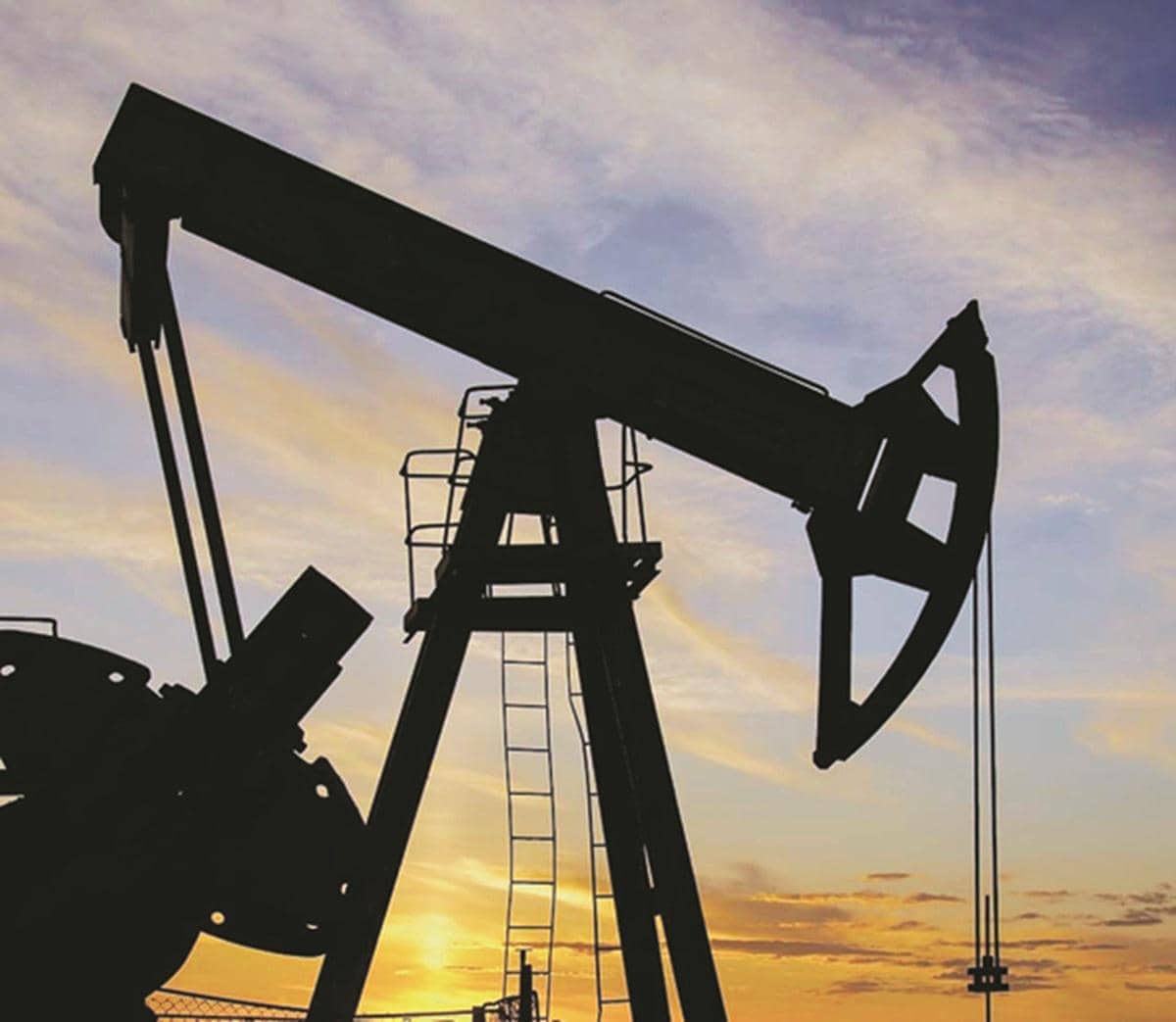


The recent waiver granted by US President Donald Trump from sanctions, tariffs, and restrictions under the Sanctioning Russia and Iran Act (SRIA) provides India with temporary relief from potential penalties linked to its purchases of Russian oil. However, experts caution that this reprieve does not guarantee long-term security for India’s energy imports.




The Global Trade Research Initiative (GTRI), a noted think tank, highlighted on Saturday that while the waiver helps India avoid additional duties that could have reached up to 100 percent, the relief is not permanent. "This waiver can be reversed at any time," GTRI stated, pointing out that Washington retains the authority to reinstate tariffs, which would create uncertainty for India and other countries buying Russian oil.
SRIA remains active legislation in the United States, allowing the government to use the threat of sanctions as leverage in ongoing bilateral trade discussions. The law’s existence means that Washington can reactivate tariff threats to secure trade concessions from India or other trading partners.
In recent months, India’s oil import patterns have shown some shifts. Russia’s share of India’s oil imports declined from 51 percent in July to 44 percent in August. This change coincided with an increase in oil shipments from the United States and the United Arab Emirates, despite higher costs associated with US crude. According to GTRI, this diversification reflects India’s effort to balance its energy needs amid geopolitical pressures.
India’s energy security remains a critical concern, especially as it navigates complex international relations and fluctuating oil markets. Experts suggest that while temporary sanctions relief allows India some breathing room, the country should prioritize securing oil on purely commercial terms to avoid vulnerability to political decisions by other nations.
The US sanctions on Russian oil are part of broader efforts to pressure Moscow amid international conflicts and geopolitical tensions. These measures have affected global energy markets, with countries like India caught in the crossfire between maintaining energy supplies and adhering to international diplomatic pressures.
India’s reliance on oil imports is substantial, making the country one of the largest global consumers of crude oil. Its energy strategy involves sourcing from multiple countries to ensure steady supply and price stability. The recent waiver by the US provides a window for India to adjust its procurement strategies but does not change the underlying risks linked to sanctions.
Trade experts emphasize that India will need to maintain flexibility in its energy imports and remain vigilant about potential shifts in US policy. The uncertainty surrounding SRIA means that India must be prepared for sudden changes in tariff enforcement, which could impact the cost and availability of oil.
In summary, the Trump administration’s sanctions waiver offers India a temporary reprieve from punitive tariffs related to Russian oil imports. However, as the sanctions law remains in place, India faces ongoing uncertainty. The country’s best approach involves securing energy supplies based on market conditions rather than relying on political exemptions. This strategy will help protect India’s energy security against future disruptions in an unpredictable geopolitical environment.
What's Your Reaction?
 Like
0
 Dislike
0
 Love
0
 Funny
0
 Wow
0
 Sad
0
 Angry
0














Comments (0)