


RBI Deputy Governor Highlights Keys to Sustainable Bank Growth

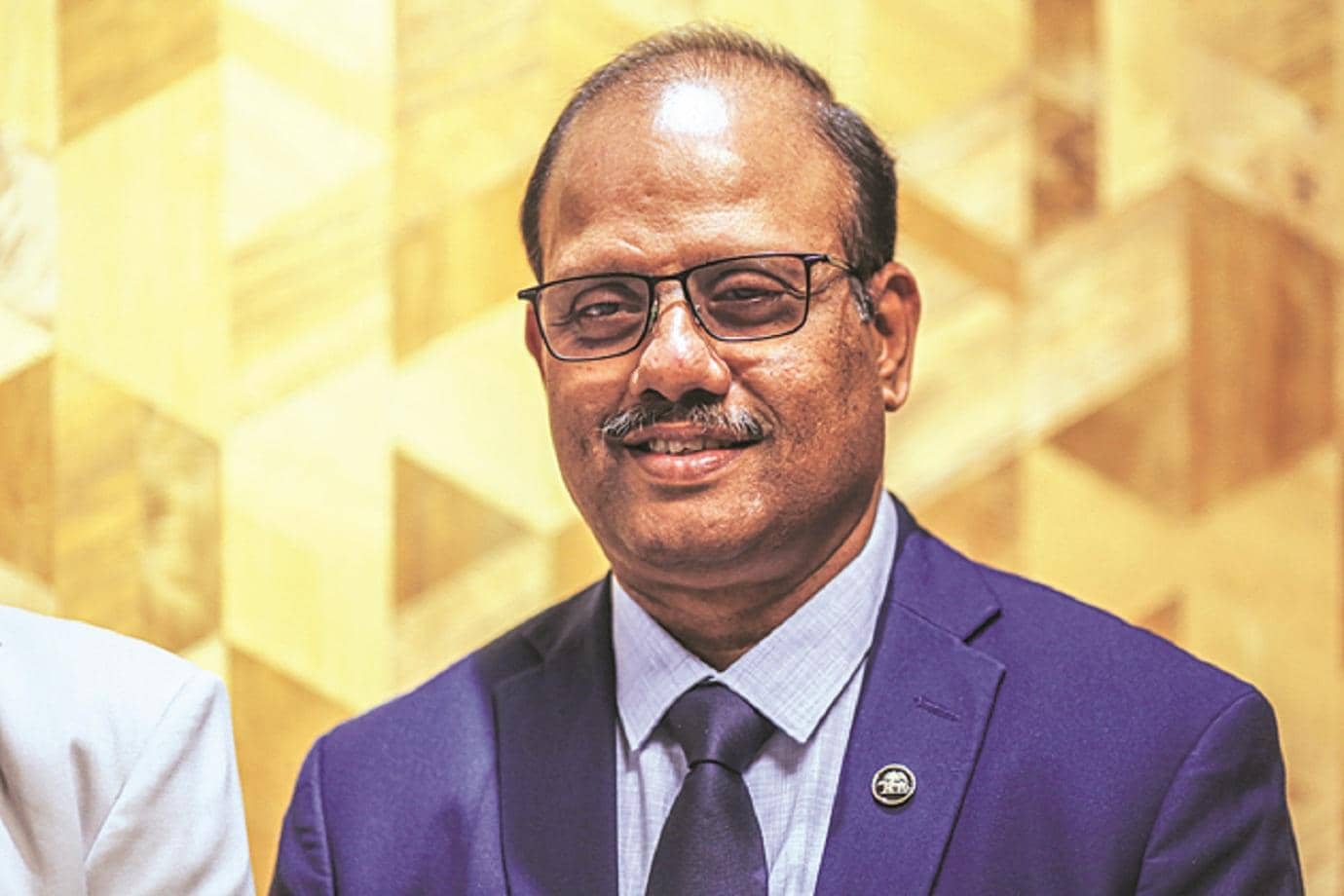


Reserve Bank of India (RBI) Deputy Governor M. K. Jain Swaminathan recently outlined crucial factors for sustainable growth within the banking sector. Speaking at the Leadership Conference of Indian Bank held in Chennai last month, he underscored the importance of sound underwriting practices, accurate risk pricing, and a thorough evaluation of borrowers' repayment ability as fundamental to maintaining steady expansion.




Swaminathan's speech, which was published on the RBI website on Tuesday, emphasized that along with credit growth, banks must cultivate a stable and diverse deposit base to support their lending activities. Such a deposit franchise provides the necessary funding stability for growth to be viable over the long term.
He also addressed the role of bank leadership in nurturing talent. According to Swaminathan, effective senior management goes beyond formal succession plans. It involves identifying promising individuals, entrusting them with responsibilities, and allowing them to develop independent judgment through real-world experience. This process builds confidence in emerging leaders and strengthens the institution’s future.
Highlighting the broader economic context, Swaminathan pointed out that while growth is essential for banks to fulfill their role in India's economic development, it must be carefully managed. Growth that is not supported by prudent underwriting and realistic risk assessment can jeopardize a bank’s long-term stability.
He also discussed evolving trends in the financial ecosystem. Changes in household savings habits and a wider range of financial products have transformed how banks attract deposits. Moreover, banks now compete and collaborate with fintech companies, technology platforms, and other service providers, which has shifted the competitive landscape.
Technological advancements are reshaping banking operations and customer expectations. Innovations in digital payments, artificial intelligence, and data analytics offer banks opportunities to enhance customer service, streamline operations, and boost competitiveness. Swaminathan urged banks to effectively harness these technologies to remain relevant and efficient.
Operational resilience, including technological robustness, has become as critical as managing credit and market risks. The deputy governor stressed the need for strong cybersecurity measures, data protection, business continuity planning, and oversight of third-party providers. These aspects must be integral components of a bank’s strategic planning to safeguard against emerging threats.
Good governance also came under focus. Swaminathan emphasized transparency, internal controls, clear accountability, and responsible lending as pillars that uphold public trust. He stated, “Governance must be reflected not only in policies and procedures, but also in the quality of decisions taken throughout the institution.” Fair treatment of customers and effective grievance resolution remain essential to maintaining confidence in the banking system.
The current position of India’s banking sector is encouraging. Improvements in asset quality, capital adequacy, and profitability provide a solid foundation for future challenges. Swaminathan highlighted that institutional strength should outlast the tenure of any single leader. Cultivating diverse viewpoints, investing in talent development, and preparing younger employees for leadership roles are necessary steps to ensure continuity and resilience.
He concluded by reflecting on the enduring legacy of leadership. According to Swaminathan, the greatest accomplishment of a leader is not personal milestones but the strong institution they leave behind. This includes capable people, effective systems, shared values, and the ability to face future challenges successfully. “A leader’s most enduring achievement may well be an institution that continues to grow stronger long after the leader has moved on,” he added.
The remarks from the RBI deputy governor come at a time when India’s banking sector is adapting to new technologies and changing customer behaviors, making these insights particularly relevant for industry stakeholders aiming to balance growth with sustainability and risk management.
What's Your Reaction?
 Like
0
 Dislike
0
 Love
0
 Funny
0
 Wow
0
 Sad
0
 Angry
0

















Comments (0)