


Air India Plans More Wide-Body Jets Despite Cost Challenges

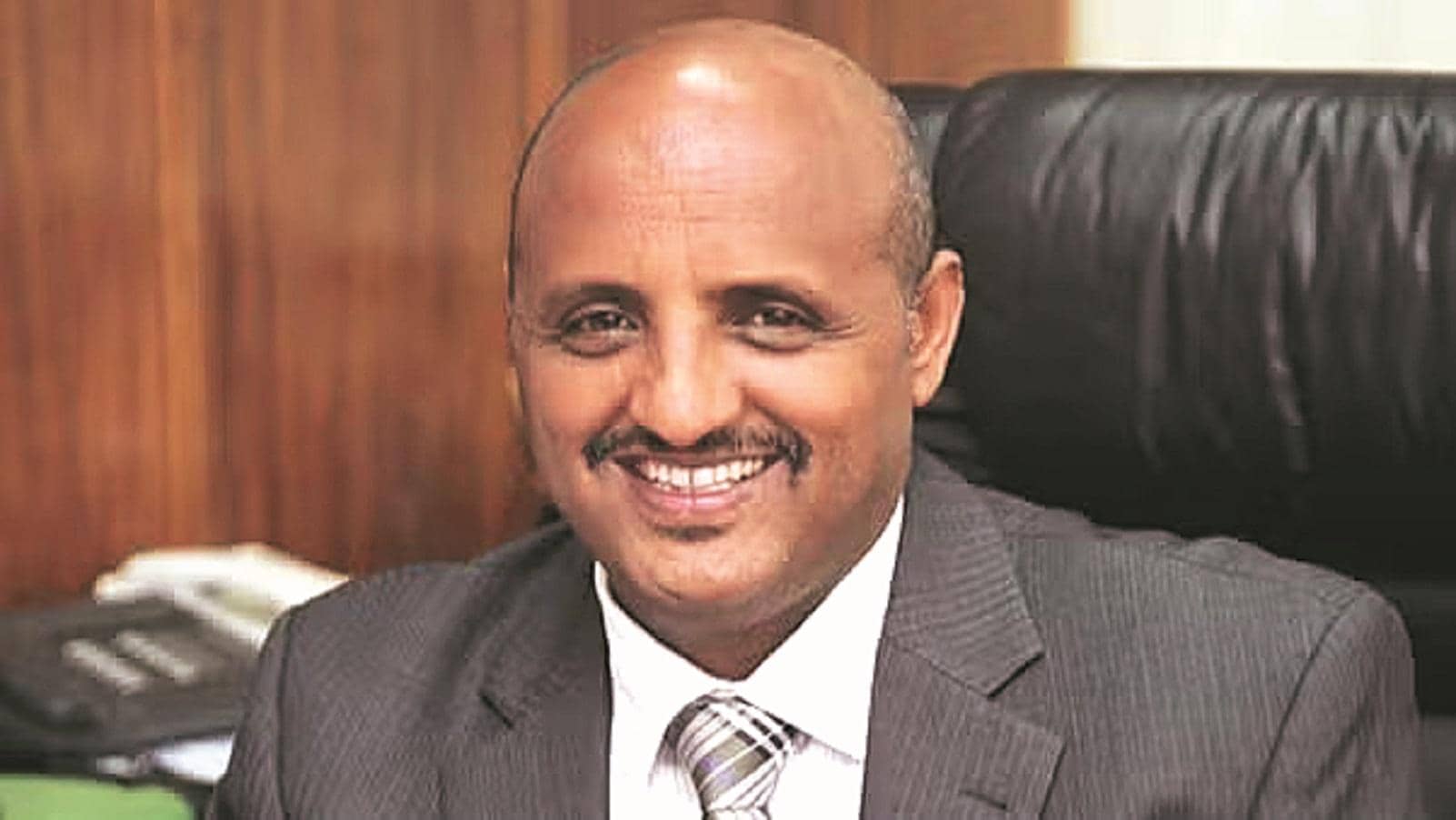


Air India Group is preparing to increase its wide-body aircraft orders to support its growing international operations, even as it faces significant cost pressures. The airline's CEO and managing director, Tewolde Gebremariam, emphasized the importance of reducing operating expenses while pushing for rapid profitability at the Aviation India and South Asia Summit on Tuesday.




The airline recently reported a consolidated net loss of ₹22,238 crore for the fiscal year 2026, more than double the ₹10,859 crore loss in fiscal year 2025. Despite these setbacks, Gebremariam expressed confidence that Air India would return to profitability soon. He highlighted strong backing from the group’s shareholders, the Tata Group and Singapore Airlines, who maintain a long-term perspective on the airline's growth. However, Gebremariam himself is eager to accelerate the turnaround, aiming to "make Air India great again."
Since its privatization in January 2022, Air India Group has placed firm orders for 600 aircraft from Airbus and Boeing. This fleet expansion includes 80 wide-body planes: 50 Airbus A350s, 20 Boeing 787 Dreamliners, and 10 Boeing 777X jets. The rest are narrow-body aircraft, primarily serving domestic and short-haul international routes. Gebremariam confirmed the airline's intent to acquire more wide-body planes, citing vast opportunities in long-haul markets. Talks are ongoing with both Airbus and Boeing regarding additional orders.
Wide-body aircraft, characterized by two aisles and larger passenger capacity, are crucial for Air India’s international ambitions. They enable connectivity on long-distance flights, which the airline plans to grow amid rising global travel demand. However, bringing down the airline’s cost per available seat kilometre (CASK) remains a top priority. Gebremariam described the current CASK as "too high" and stressed the need to reduce it to at least industry levels. CASK is a vital metric reflecting the cost to operate each seat per kilometre, and lowering it helps improve overall profitability.
To tackle this, Air India has set up a multifunctional team to scrutinize expenses across all business functions. Efforts are underway to enhance coordination between Air India and its subsidiary Air India Express, which currently operate under separate air operator certificates. By sharing corporate functions and creating operational synergies, the airline hopes to improve efficiency and reduce costs.
Air India is also adjusting its network strategy in response to geopolitical disruptions. The closure of Pakistani airspace has affected flights between India and Europe and the United States, particularly those departing from Delhi. To mitigate these challenges, the airline plans to maintain international flights from Delhi but shift a larger share of its Europe and US operations to Mumbai. Bengaluru is also being considered as an additional hub. Meanwhile, Delhi will remain a key base for routes to eastern and southeastern markets, less impacted by airspace restrictions.
Strengthening international sales efforts is another focus area. Increasing ticket sales in overseas markets will help balance bookings and provide a hedge against currency fluctuations by earning more revenue in foreign currencies. This approach could offer financial stability amid exchange rate volatility.
Gebremariam acknowledged that factors like geopolitical tensions, airspace limitations, and high fuel prices pose short-term challenges for the airline industry. Yet, he emphasized the need to tackle immediate financial hurdles while maintaining a clear vision for long-term growth. "One eye squarely focused on today," he said, "and the second eye on the future." This balanced approach is intended to help Air India navigate current headwinds and position itself for sustainable success in the competitive aviation sector.
As Air India continues to rebuild and expand its fleet and network, its efforts to control costs and optimize operations will be critical in restoring profitability and strengthening its position in the global market.
What's Your Reaction?
 Like
0
 Dislike
0
 Love
0
 Funny
0
 Wow
0
 Sad
0
 Angry
0

















Comments (0)