


Axis Bank Revises Savings Account Fees Effective December 1, 2026

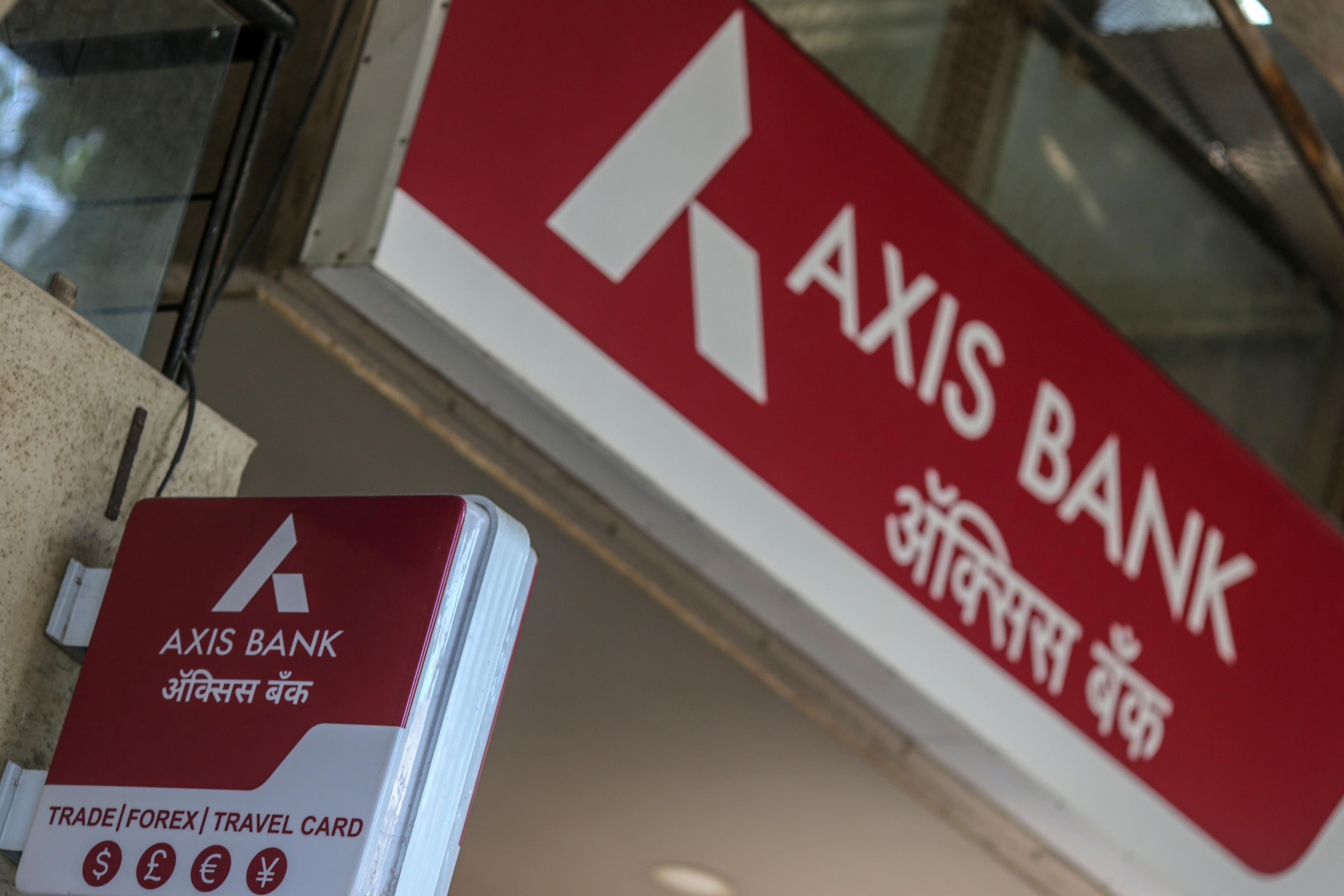


Axis Bank has announced a revision in its fee structure for various savings accounts, effective from December 1, 2026. The changes will impact both domestic and Non-Resident Indian (NRI) customers, with increased penalties for maintaining minimum balances, adjustments to free cash transaction limits, higher charges on cheque returns, and discontinuation of reward points for select accounts.




The fee modifications affect several popular savings account types, including Easy Access, Prime, Prestige, Priority, and Burgundy. Additionally, the bank is introducing stricter requirements for the Total Relationship Value (TRV) on some premium accounts, a measure that could require customers to hold larger deposits or investments to maintain their account status.
Reduction in Free Cash Transactions
One significant change is the reduction in the number of free cash transactions allowed. Currently, customers with domestic and NRI Easy Access accounts, along with Krishi and Sahaj savings accounts, can make up to four free cash transactions per month or transact up to Rs 1 lakh without fees. Starting December 1, the number of free transactions will drop to three, although the Rs 1 lakh overall cash transaction limit will remain unchanged.
This adjustment means customers who frequently deposit or withdraw cash may face additional charges once they exceed the new free transaction limit. This change aligns with a broader banking trend where banks are encouraging digital transactions over cash dealings.
Increased Minimum Balance Penalties
Axis Bank is also revising penalties for customers who fail to maintain the required Average Monthly Balance (AMB). The penalty remains set at 6 percent of the shortfall amount. However, the maximum monthly charges will increase notably for certain account holders.
- For domestic Easy Access and equivalent accounts at semi-urban and rural branches, the maximum penalty will rise from Rs 300 and Rs 150 to Rs 600.
- For NRI Easy Access accounts at the same branch categories, the maximum penalty will also increase from Rs 300 to Rs 600.
- The maximum penalty of Rs 600 for metro and urban branches will stay the same.
The bank has clarified that salaried customers will continue to be exempt from these minimum balance penalties. Customers should consider maintaining the stipulated balance to avoid paying these higher fees.
Discontinuation of EDGE REWARD Points
From December 1, Axis Bank will stop awarding EDGE REWARD points for customers holding Burgundy, Priority, Prestige, Prime NRI, and Easy NRI savings accounts. This change means those customers will no longer earn reward points through debit card usage or other banking transactions under the existing program.
Customers who actively use reward points as a benefit should review how this change may affect their banking experience and consider alternative ways to gain value from their accounts.
Stricter Total Relationship Value (TRV) Requirements
The bank is tightening the TRV criteria for some domestic and NRI savings accounts, including Prime, Prestige, Priority, Sampann, Advantage, Arise Women's, and Burgundy accounts. The TRV requirement, which previously stood at 75 percent of the prescribed level, will be increased to 100 percent.
This means customers may need to maintain a higher level of deposits, investments, or loans with Axis Bank to satisfy the new TRV thresholds and retain their account status or privileges.
Higher Charges for Cheque Returns
Axis Bank will also raise fees associated with returned cheques. The charge for an outward cheque return will change from Rs 50 for the first return and Rs 100 for subsequent returns to a flat Rs 200 per return.
For NRI account holders with Burgundy, Priority, Prestige, and Prime accounts, cheque return fees will see a significant increase from Rs 50 to Rs 500 per return. Customers using cheques regularly should be mindful of this new cost to avoid unexpected charges.
What Customers Should Do
Customers are advised to review the updated fee schedule corresponding to their specific savings accounts before the changes take effect on December 1. Those who frequently transact in cash, issue cheques, or rely on reward programs should evaluate how these revisions might impact their banking costs.
Maintaining the required minimum balance and monitoring cheque payments carefully can help avoid some of the additional fees. Customers may also want to explore digital banking options to minimize cash transactions and related charges.
These changes reflect ongoing adjustments within the banking sector as institutions adapt to cost structures, regulatory requirements, and shifting customer behavior towards digital services.
What's Your Reaction?
 Like
0
 Dislike
0
 Love
0
 Funny
0
 Wow
0
 Sad
0
 Angry
0

















Comments (0)