


India Plans Domestic Tunnel Boring Machines Amid China Export Limits

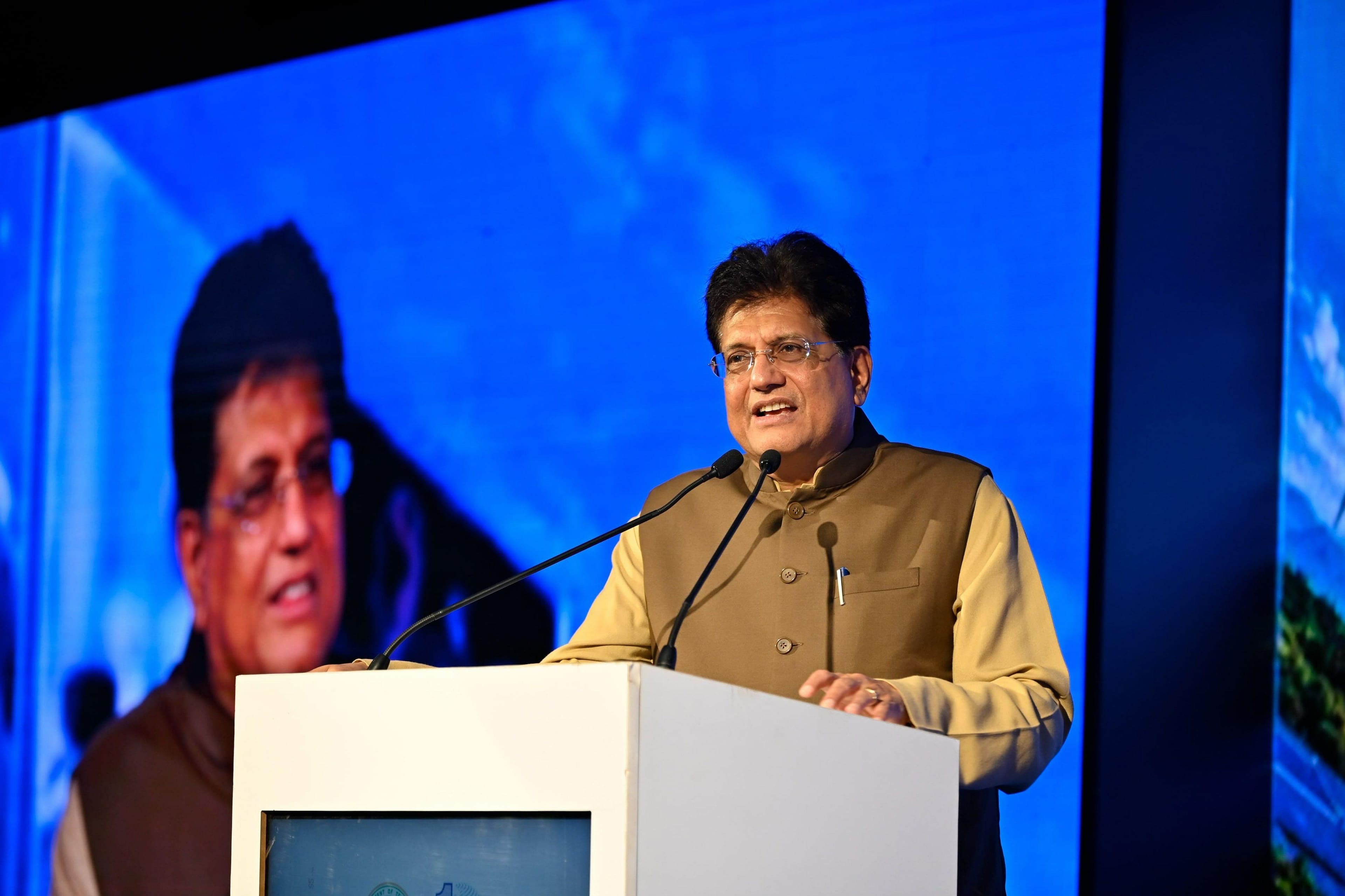


India is preparing to manufacture its own tunnel boring machines (TBMs) if China restricts the export of this essential equipment, Commerce and Industry Minister Piyush Goyal announced on Tuesday. Speaking at the Young Leaders Discourse Forum hosted by Kirori Mal College in Delhi, Goyal emphasized the country’s readiness to develop domestic alternatives to ensure continuity in infrastructure projects.




Tunnel boring machines are specialized devices that excavate tunnels with circular or near-circular cross-sections. These machines operate under various ground conditions, from solid rock to water-logged soils, and are critical in minimizing surface-level disturbances during construction. With China tightening its controls on TBM exports, concerns have grown about India’s access to this technology, which plays a vital role in urban development and infrastructure expansion.
Goyal’s statement comes amid broader efforts by India to reduce its dependence on Chinese imports of key industrial inputs, notably rare earth elements. These materials are crucial for manufacturing high-performance magnets and motors used in various sectors, including electronics, automotive, and renewable energy. China’s recent clampdown on exports of certain rare earth products and magnets has intensified India’s push toward self-reliance in these strategic resources.
In response to these challenges, the Indian government has launched a substantial initiative worth Rs 7,280 crore aimed at establishing an integrated manufacturing capacity for rare-earth permanent magnets. The targeted output is 6,000 tonnes per year, which would significantly boost domestic production and cut reliance on foreign suppliers.
During his address, Goyal revealed that following China’s export restrictions on rare earths, he convened a meeting with Indian start-ups to encourage the development of motors that do not require rare earth elements. Some of these start-ups have successfully begun producing motors matching the quality and efficiency of traditional models but without using rare earth materials.
India’s dependence on Chinese-dominated supply chains for rare earths and other critical minerals has been under scrutiny by parliamentary committees. These bodies have recommended enhanced support for technologies that eliminate the need for rare earths in motor manufacturing, as well as the exploration of alternative materials to diversify supply sources.
The tightening of export controls by China on strategic goods occurs as diplomatic relations between India and China cautiously improve. Bilateral ties had deteriorated significantly after the border clashes in the Galwan Valley in 2020, but both sides have expressed a willingness to stabilize and enhance cooperation where possible.
Commenting on the state of relations, Goyal noted, "Our relations with China remain good and if there aren’t any new hurdles, it can improve further." This suggests a pragmatic approach from India, balancing diplomatic engagement with efforts to strengthen domestic capabilities in critical sectors.
India’s move to develop its own tunnel boring machines and reduce reliance on Chinese imports reflects a broader trend among nations seeking to secure supply chains amid geopolitical uncertainties. Infrastructure projects depend heavily on reliable access to advanced machinery and materials, making domestic production a strategic priority.
As India advances these initiatives, the government’s collaboration with start-ups and investment in manufacturing infrastructure will play a crucial role. Building a resilient industrial base not only supports economic growth but also enhances national security by mitigating vulnerabilities linked to foreign dependencies.
What's Your Reaction?
 Like
0
 Dislike
0
 Love
0
 Funny
0
 Wow
0
 Sad
0
 Angry
0













Comments (0)