


India's Manufacturing PMI Slows to 54.7 in October Amid Strong Exports




India's manufacturing sector showed signs of moderation in October as the HSBC India Manufacturing Purchasing Managers' Index (PMI) dropped slightly to 54.7 from 55.1 in September. This decline reflects a slowdown in the pace of output and new order growth, although the index remains well above the 50-point mark that signifies expansion.




The PMI figure, compiled by S&P Global, indicates that despite this softening, India's manufacturing industry is maintaining solid momentum. The index stays comfortably above its long-term average, signaling ongoing strength in the sector. One of the key highlights from the October data was the surge in new export orders, which reached their highest level in six months. This increase in international demand helped sustain manufacturing output, even as domestic growth showed signs of easing.
Pranjul Bhandari, HSBC's chief India economist, commented on the data stating, "India’s manufacturing PMI softened to 54.7 in October from 55.1 in the previous month, but remained firmly in expansionary territory and above its long-run average. Strong international demand pushed growth of new export orders to a six-month high, supporting a robust rise in output." He also noted that manufacturers increased their input inventories to the greatest extent in eight months as a precaution against potential supply disruptions amid global market volatility.
Export orders from several countries played a significant role in driving manufacturing activity last month. India received increased demand from Bangladesh, Canada, Indonesia, Nepal, Oman, Saudi Arabia, Sri Lanka, the United Kingdom, the United States, and the United Arab Emirates. These diverse markets contributed to a sharp rise in new business, although the pace was marginally slower compared to September’s peak.
Despite the positive export performance, overall factory output growth slowed, mainly due to a deceleration in intermediate goods production. Nonetheless, intermediate goods manufacturers continued to lead the expansion in output. This sector's performance is crucial since intermediate goods serve as inputs for other manufacturing processes, influencing the broader industrial ecosystem.
The cost environment also presented mixed signals. Input prices for raw materials and energy saw increases, but the overall inflation rate for inputs eased to its lowest since February. This moderation in cost pressures was visible across all major manufacturing categories. While companies continued to raise selling prices to protect margins, the pace of price hikes was the slowest in nearly four years, indicating a softening in price inflation.
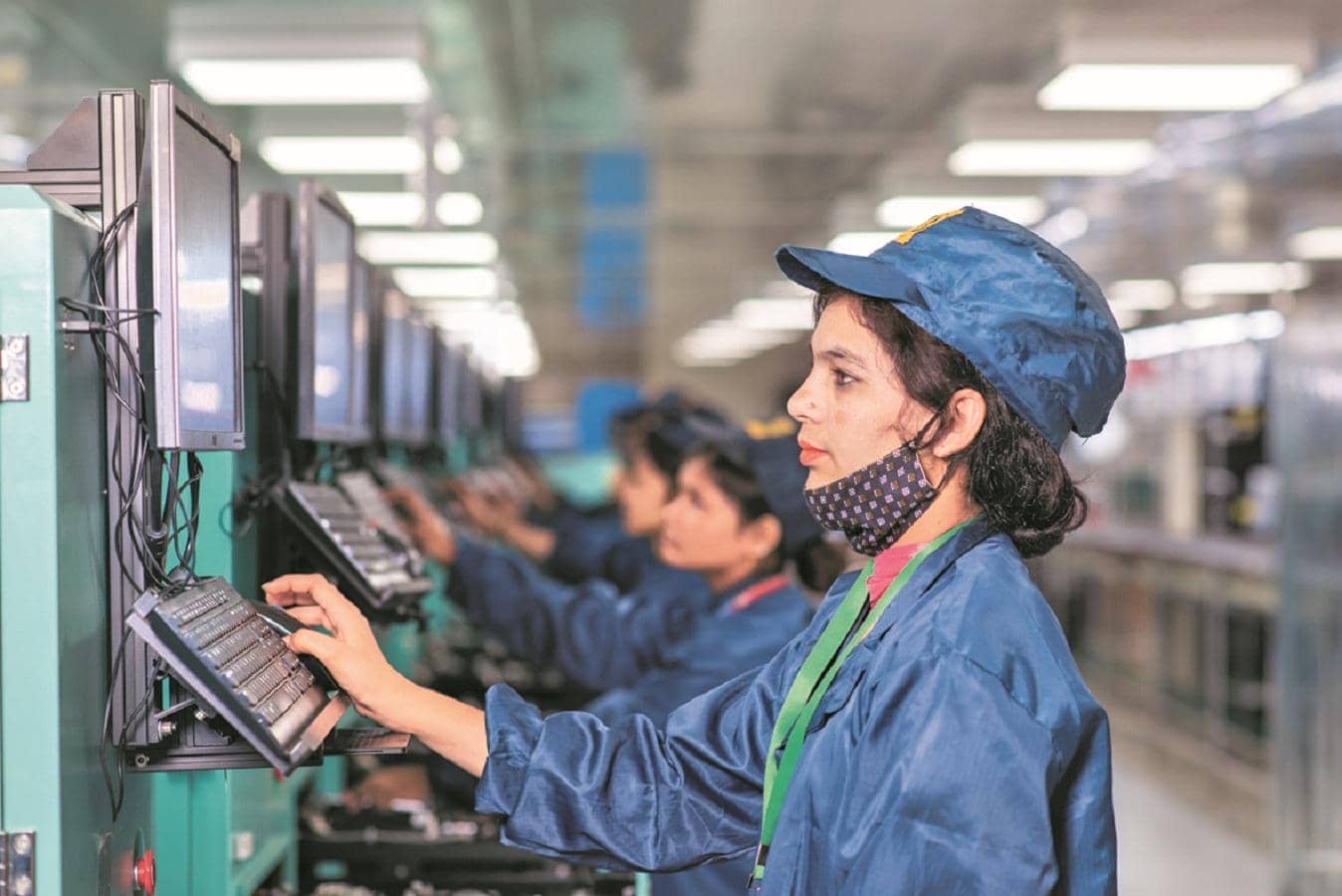
On the employment front, manufacturing firms added jobs for the second month in a row, responding to higher workloads and production demands. However, the rate of hiring slowed and remained modest. Some sectors saw employment gains, while capital goods manufacturers reduced their workforce during the period. Meanwhile, outstanding business volumes increased for the seventh consecutive month, although the accumulation rate was minimal.
Inventory management became a focus for manufacturers in October. Companies increased stocks of finished goods at an unprecedented rate to meet strong demand and avoid shortages. Similarly, inventories of production inputs rose sharply, reaching an eight-month high. Despite higher inventory levels, input purchasing growth slowed, marking the weakest expansion in 64 months.
Even with firm demand and expanding production, confidence among manufacturers took a hit. Business sentiment fell from September levels and stayed below the long-run average. Approximately 18 percent of manufacturers were optimistic about increasing production in the coming year, while the majority expected no change. Positive sentiment stemmed from new client inquiries and anticipated growth in sectors such as industrial automation and technology solutions.
India’s manufacturing sector remains a critical component of its economy, contributing significantly to employment and GDP. The sector's performance often reflects wider economic trends, including global trade dynamics and domestic consumption patterns. The October PMI data highlights how export demand can sustain manufacturing activity despite some easing in domestic growth, a pattern that is important for policymakers and investors monitoring India's industrial health.
What's Your Reaction?
 Like
0
 Dislike
0
 Love
0
 Funny
0
 Wow
0
 Sad
0
 Angry
0

















Comments (0)