


India Sees Rise in Women Workers Amid Challenges in Pay and Hours

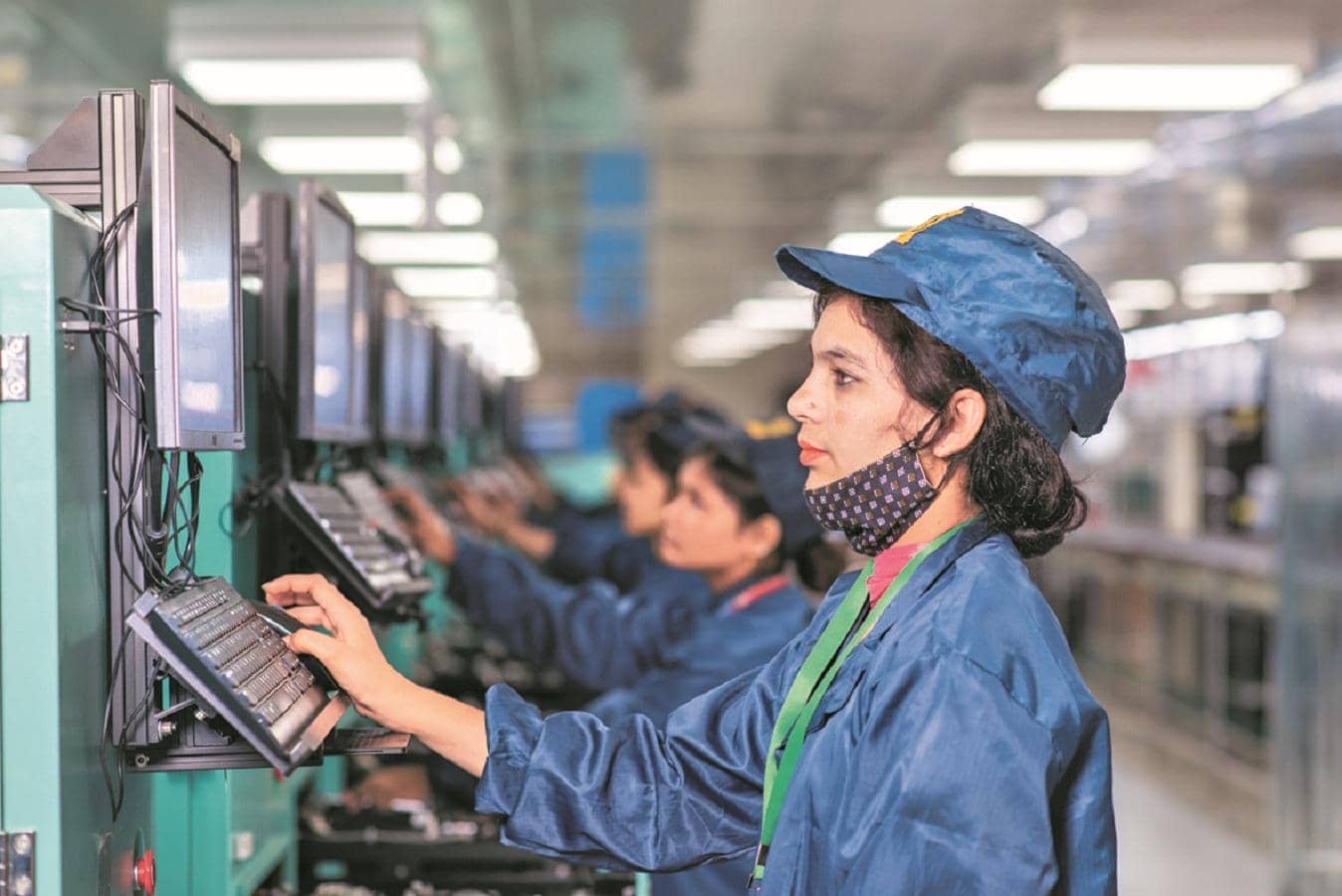


The number of women participating in India's workforce has almost doubled over the last seven years, primarily driven by growth in agriculture, self-employment, and unpaid family duties. However, a recent study by the Indian Council for Research on International Economic Relations (Icrier) highlights that these gains have come with significant challenges, including shorter working hours and an expanding wage disparity compared to men.




Entitled The Participation Paradox: Women’s Work and Time-use in India 2017-18 to 2025, the study was authored by Tanu M Goyal, Shravani Prakash, Ketaki Gaikwad, and Arjun Tandon. It draws on data from the Periodic Labour Force Survey (PLFS) to analyze changes in female labor participation across the country.
According to the research, the number of women engaged in work rose from 104 million in 2017-18 to an estimated 201 million by 2025. The women worker population ratio increased from 22 percent to 38 percent during this period. The 2025 figures come from a revised PLFS with a larger sample size and a different reference calendar, so the authors advise caution when directly comparing these numbers with those from 2017-18.
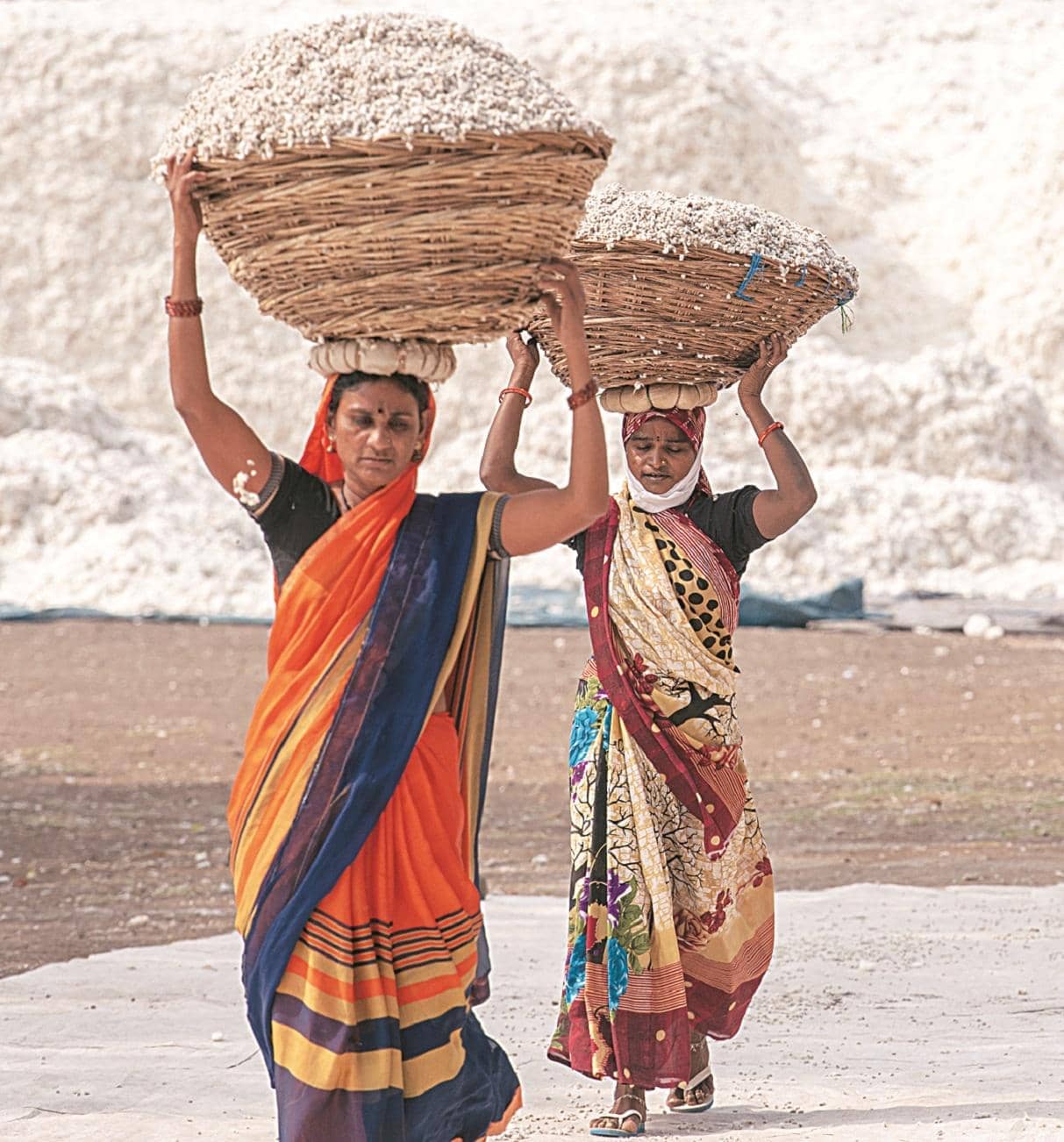
The rise in female employment has been concentrated in rural areas and within the agriculture sector. The female worker population ratio in rural India jumped from 23.7 percent to 44.9 percent, while in urban areas it increased from 18.2 percent to 25.9 percent. Meanwhile, the share of rural men employed in the primary sector declined from 54.1 percent to 47.2 percent, but rural women’s share edged higher from 70.7 percent to 73.3 percent.
The study observes that while men have experienced a shift toward other sectors, this structural transformation has largely bypassed women. Regular salaried employment opportunities for women have not kept pace with the overall rise in female workforce participation. Among rural women, those working as own-account workers increased significantly from 13.9 million to 56 million, raising their share of rural female employment from 18.6 percent to 37.2 percent. Conversely, regular salaried employment for rural women grew from 7.9 million to 13.9 million but saw its share decline marginally from 10.5 percent to 9.3 percent.
This suggests that most of the additional women entering the workforce are engaged in self-employment or unpaid family labor, categories known for lower pay and greater job insecurity. The authors note that the large rise in rural female participation appears to be driven more by economic necessity than by expanding employment opportunities. There is, however, a contrasting perspective from the Economic Survey 2023-24 and some researchers who interpret the increase as opportunity-led.
Working hours per week have decreased for all groups between 2017-18 and 2025, with rural women experiencing the sharpest decline of over six hours. The report indicates that the combination of higher participation and fewer hours per worker points to growth in marginal, low-intensity work.
Wage disparities remain a pressing concern. While nominal monthly wages for rural men increased by approximately 65 percent over the period, rural women saw a 41 percent rise. In 2025, rural women earned just 45 percent of what rural men made monthly, down from 53 percent in 2017-18. The nominal wage gap nearly doubled from about ₹4,200 to more than ₹8,000.
The burden of unpaid domestic work has not diminished for women. Time-use surveys from 2019 and 2024 reveal that the daily gap in unpaid household labor remains around 223 minutes. Care work disparities have slightly increased from 58 to 63 minutes. Additionally, working women have less self-care time than women overall, with rural working women having 18 minutes less per day and urban working women 31 minutes less. In contrast, working men tend to have slightly more self-care time than men in general.
Childcare and household responsibilities continue to be major barriers for women not active in the labor force, with six out of ten women citing these commitments as the primary reason, compared to virtually no men.
The authors recommend a policy shift from simply increasing women’s labor participation to fostering structural transformation. Suggested measures include expanding childcare facilities, enforcing creche regulations, introducing paid paternity and shared parental leave, setting employment targets for women in incentive schemes, extending social protections for women in gig work, and conducting regular time-use surveys in conjunction with labor force surveys.
This study sheds light on the complex dynamics of women’s work in India, revealing that while more women are working, many face precarious conditions and persistent inequalities. Addressing these challenges is essential for achieving more inclusive and equitable economic growth in the country.
What's Your Reaction?
 Like
0
 Dislike
0
 Love
0
 Funny
0
 Wow
0
 Sad
0
 Angry
0



















Comments (0)