


India’s Forex Reserves Dip to $719.8 Billion as Gold Holdings Decline

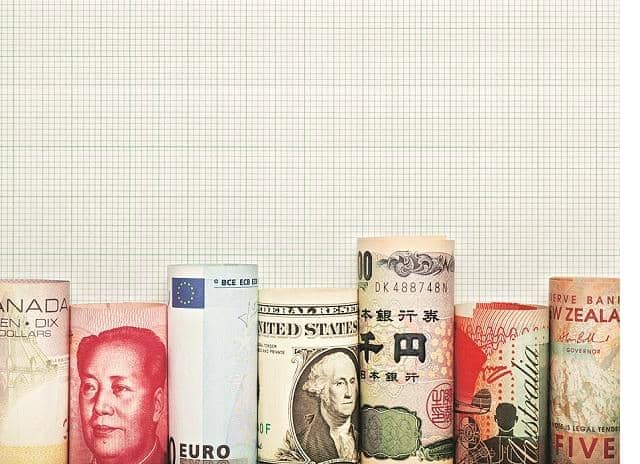


India's foreign exchange reserves have registered a decline for the seventh week in a row, settling at $719.8 billion in the week ending October 23, 2026. This reduction comes largely as a result of a significant drop in gold reserves, which outweighed gains seen in foreign currency assets during the period.




The Reserve Bank of India’s weekly data revealed that total reserves fell by $1.3 billion compared to the previous week. While foreign currency assets experienced an increase of $1.4 billion, gold holdings decreased sharply by $2.7 billion. The decrease in gold reserves is attributed mainly to valuation losses amid a 4 percent drop in global gold prices, which fell to $4,165.58 per ounce during the same week.
Gold reserves have now fallen for seven consecutive weeks, contributing to the overall downward trend in India’s forex reserves. This trend follows a peak of $785.7 billion reached in the week ending September 4, 2026. Since then, reserves have decreased by approximately $66 billion, partly due to strategic interventions by the central bank. The Reserve Bank of India has been actively selling U.S. dollars in the forex market to manage exchange rate volatility and support financial stability.
On the currency front, the Indian rupee showed some resilience, closing at 94.96 against the U.S. dollar on Friday, marking a modest 0.3 percent gain for the day. However, the rupee depreciated by 0.9 percent over the course of October. Market analysts note that the rupee’s recent strengthening aligned with movements seen in other Asian currencies. The softer dollar index, influenced by the latest U.S. economic data, also contributed to this trend.
Dilip Parmar, a senior research analyst at HDFC Securities, commented on the rupee’s performance: "The Indian rupee strengthened in tandem with broader Asian peers, taking cues from a softer dollar index following the latest economic data. Domestic equities continued their upward trajectory as foreign institutional selling eased, helping the rupee lead regional gains." Despite this recent uptick, the rupee has depreciated 0.15 percent in the first seven months of the current financial year and has weakened by 5.35 percent against the dollar since the start of 2026.
The sustained decline in gold reserves and overall forex holdings highlights the ongoing challenges faced by the Reserve Bank of India in maintaining currency stability amid global market fluctuations. Gold typically serves as a key component of forex reserves due to its role as a safe-haven asset. However, when gold prices fall, the valuation of these reserves drops accordingly, impacting the total reserve figures.
India’s foreign exchange reserves play a crucial role in shielding the economy against external shocks, supporting the rupee, and maintaining investor confidence. They consist primarily of foreign currency assets, gold reserves, Special Drawing Rights (SDRs) from the International Monetary Fund, and the country’s reserve position with the IMF. Monitoring these reserves provides insight into the country’s economic health and the central bank’s capacity to intervene in forex markets when necessary.
As global economic conditions continue to evolve, including shifting commodity prices and currency valuations, the Reserve Bank of India will likely maintain active management of its reserves to balance domestic economic needs with external market pressures. Investors and policymakers alike will be watching the trends in forex reserves closely in the coming weeks to assess potential impacts on inflation, exchange rates, and overall financial stability.
What's Your Reaction?
 Like
0
 Dislike
0
 Love
0
 Funny
0
 Wow
0
 Sad
0
 Angry
0

















Comments (0)