


India’s FTAs Unlock Access to $85 Trillion Global Market, Goyal Says

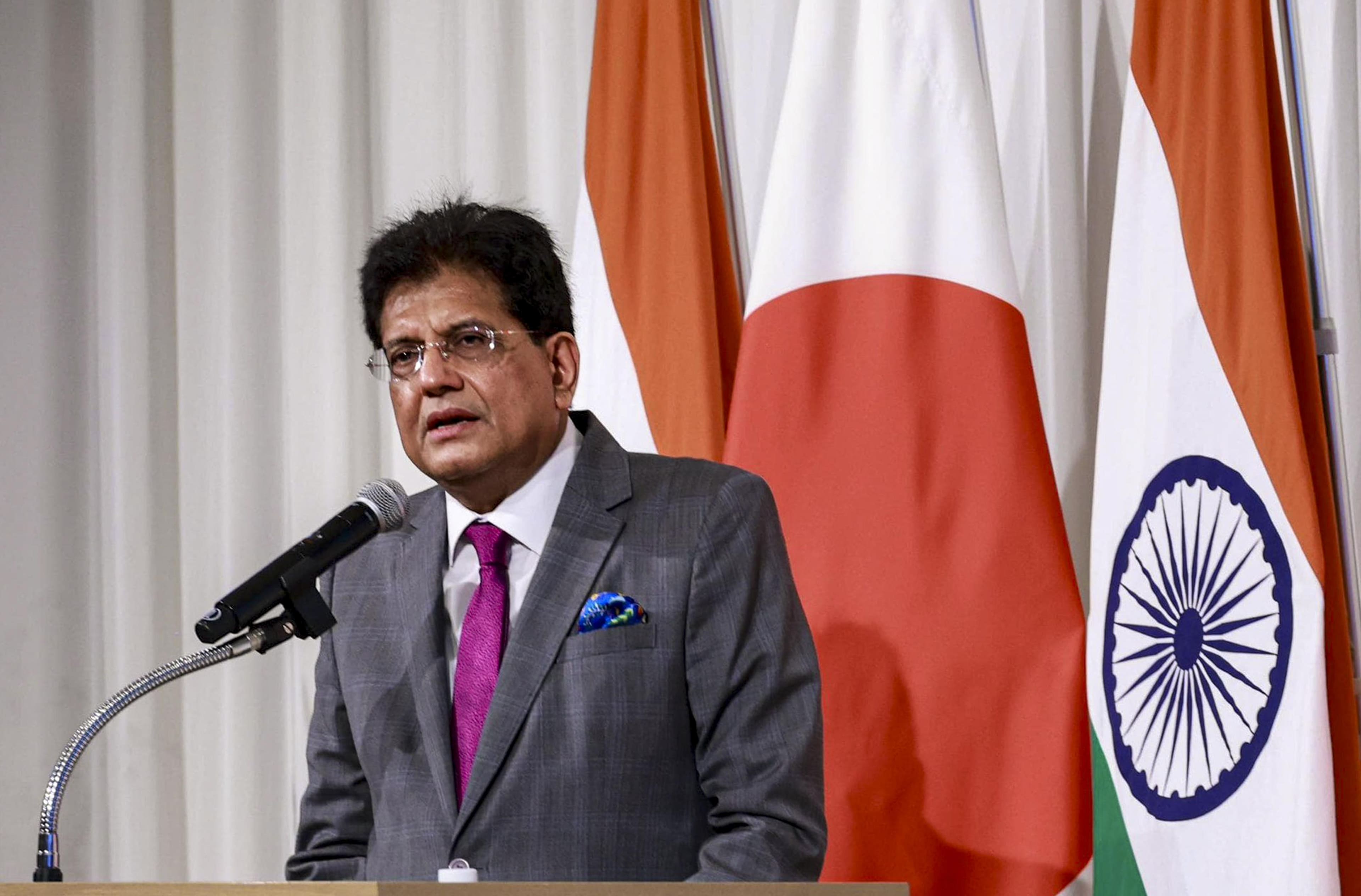


India stands at the threshold of a significant expansion in international trade opportunities as its network of free trade agreements (FTAs) now spans a combined gross domestic product (GDP) of approximately USD 85 trillion, according to Union Commerce and Industry Minister Piyush Goyal. Speaking at the 4th Edition Festival of Ideas, Goyal highlighted the rapid growth in India's trade pact portfolio over the past several years and urged Indian businesses to capitalize on these agreements by venturing beyond the country's large domestic market.




Before 2014, India’s FTAs covered countries with a total GDP of about USD 10 trillion. However, the government has actively pursued a more aggressive trade diplomacy since then, securing nine new FTAs that provide preferential market access to 38 developed countries. This expansion has opened doors to markets representing USD 60 trillion in economic output.
Furthermore, India is currently negotiating an additional seven to eight agreements, which are expected to extend preferential access to markets worth another USD 15 trillion. In total, these FTAs encompass economies accounting for roughly 76 percent of the world’s GDP, offering Indian exporters unprecedented reach across the global marketplace.
Goyal emphasized that while India's internal market remains substantial, the true potential for growth lies in tapping into these vast international markets. He encouraged industry stakeholders to move beyond their comfort zones and adopt a global outlook that leverages the benefits secured through these trade agreements.
Free trade agreements are critical tools in international commerce, lowering tariffs and reducing non-tariff barriers to facilitate smoother cross-border trade in goods and services. For India, expanding its FTA network aligns with broader economic goals of increasing exports, attracting foreign investment, and integrating more deeply into global value chains.
India’s recent trade strategies reflect a shift towards more proactive engagement with key economic partners, including developed countries with advanced consumer bases and significant purchasing power. By securing preferential access, Indian businesses can compete more effectively in these markets, potentially driving growth in sectors such as manufacturing, technology, pharmaceuticals, and services.
Trade experts note that the global economy is highly interconnected, and nations with diversified trade relationships tend to be more resilient to economic shocks. India's expanding FTAs could enhance its position in the global trade system, providing multiple avenues for export-led growth.
However, realizing the full benefits of these agreements requires Indian firms to enhance competitiveness, improve product standards, and understand diverse market regulations. The government’s role in facilitating this transition through policy support, infrastructure development, and capacity building is crucial.
In summary, India’s growing portfolio of free trade agreements represents a major opportunity for its industry and exporters. As these pacts open access to a combined GDP of USD 85 trillion, Indian businesses are encouraged to adopt a broader perspective, invest in innovation, and pursue international markets actively. This strategic approach could help position India as a more influential player in global trade in the coming years.
What's Your Reaction?
 Like
0
 Dislike
0
 Love
0
 Funny
0
 Wow
0
 Sad
0
 Angry
0

















Comments (0)