


Indian Oil Spends 37% of ₹32,700 Crore FY27 Capex in First Half



Indian Oil Corporation (IOC), India's largest state-owned oil refining and marketing company, reported spending ₹12,162 crore in the first half of the 2026-27 financial year. This expenditure accounts for 37 per cent of its total capital expenditure target of ₹32,700 crore set for the entire fiscal year. The pace of Indian Oil's investments carries importance as it directly relates to the country's capacity to meet growing demand for petrol, diesel, and liquefied petroleum gas (LPG).




Most of the capital outlay, approximately ₹9,300 crore, was allocated to the refining and marketing divisions. Petrochemical projects received ₹1,306 crore, while pipeline infrastructure development saw an investment of ₹582 crore during the April to September 2026 period. The company also directed ₹133 crore toward natural gas initiatives, ₹109 crore to research and development activities, and ₹121 crore towards exploration and production (E&P) efforts.
This spending pattern contrasts with the previous financial year when IOC had already utilized nearly half (47 per cent) of its yearly capex by September. Nitin Kumar, Executive Director of Corporate Finance and Treasury at Indian Oil, explained during a recent investor conference call that these investments are closely tied to the company’s long-term strategic goals and align with national energy priorities. He further noted that the company is managing the commissioning of various process units and utilities in phases. This methodical approach supports gradual capacity increases and integration within its operations.
Indian Oil currently has ongoing projects amounting to an investment of ₹1.04 trillion. Among these, two major undertakings have reached mechanical completion since July 2026 and are progressing through commissioning stages. These projects include the ₹13,805 crore Paraxylene-Purified Terephthalic Acid (PX-PTA) Complex at the Paradip Refinery and the ₹3,220 crore New Mundra-Panipat Crude Oil Pipeline.
Looking ahead, IOC expects to finalize three significant refinery expansion projects by the end of November 2026. The Panipat Refinery Expansion aims to raise capacity from 15 million tonnes per annum (MTPA) to 25 MTPA, with an approved outlay of ₹38,231 crore. In Gujarat, the refinery expansion project targets an increase from 13.7 MTPA to 18 MTPA, backed by ₹18,936 crore of investment. Meanwhile, the Barauni Refinery Expansion intends to boost its capacity from 6 MTPA to 9 MTPA, with a budget of ₹18,113 crore.
Alongside these expansions, Indian Oil is investing ₹3,220 crore to develop a new research and development campus in Faridabad, Haryana. Additionally, a ₹2,949 crore polybutadiene rubber plant is under construction at Panipat, marking a strategic move to broaden its petrochemical offerings.
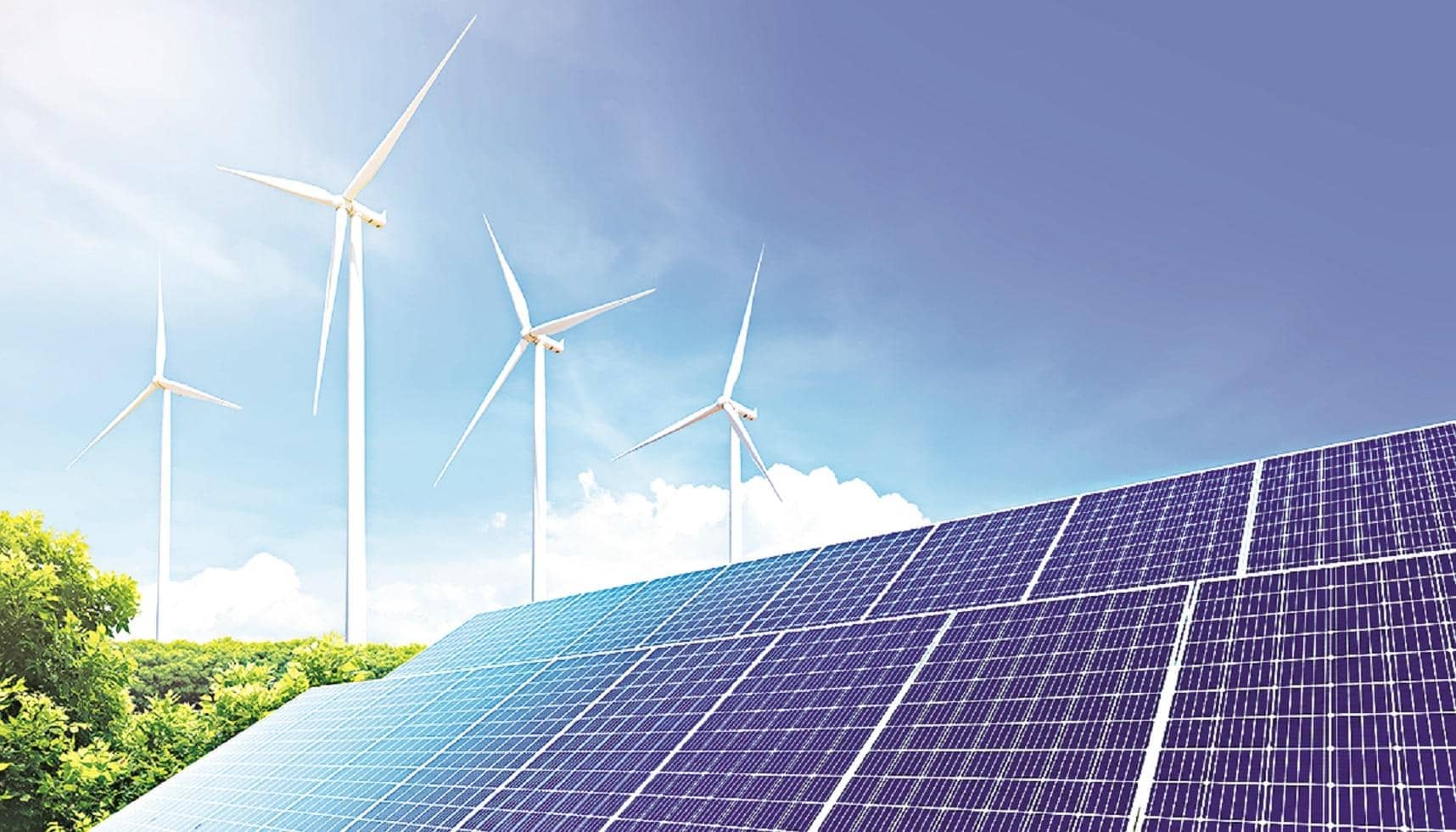
On the renewable energy front, the company has outlined plans to increase its capacity from the current 259 gigawatts (GW) to 31 GW over the next five years. To support this growth, Indian Oil intends to invest between ₹5,000 crore and ₹10,000 crore as equity in joint ventures dedicated to clean energy projects. This step reflects the company’s commitment to aligning with global trends toward sustainable energy sources while maintaining its core operations in oil refining and petrochemicals.
Indian Oil’s capital expenditure strategy highlights its role in strengthening India’s energy infrastructure. By prioritizing refinery expansions, petrochemical development, and renewable energy investments, the company aims to meet domestic fuel demand and contribute to the country’s energy security. These projects are critical for supporting industrial growth and ensuring that India's energy supply keeps pace with its expanding economy.
What's Your Reaction?
 Like
0
 Dislike
0
 Love
0
 Funny
0
 Wow
0
 Sad
0
 Angry
0














Comments (0)