


India’s Net GST Collections Jump 25.6% to ₹2.03 Trillion in October

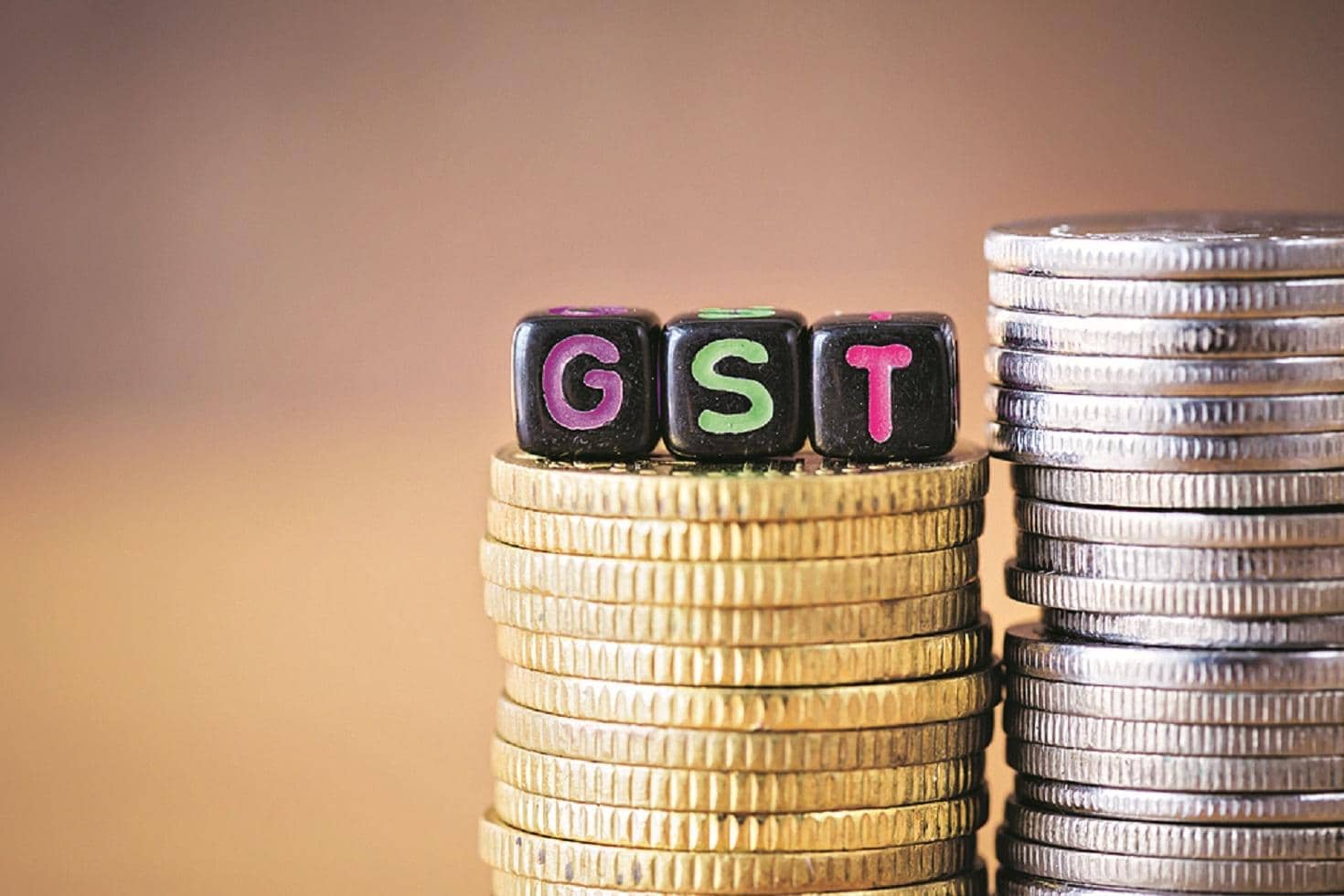


India witnessed a significant rise in net Goods and Services Tax (GST) collections in October 2026, with revenues reaching ₹2.03 trillion. This marked a 25.6 percent increase compared to the same month last year, representing the fastest growth recorded in the current financial year, according to provisional data released by the finance ministry on Sunday.




The jump in net GST receipts, which account for refunds, was largely supported by a notable surge in tax revenue from imports. Gross GST collections also experienced robust growth, climbing 22.9 percent year-on-year to ₹2.31 trillion. Both net and gross GST figures for October ranked as the second highest in FY27, following April's collections of ₹2.10 trillion (net) and ₹2.42 trillion (gross).
October marked the fourth time gross GST collections exceeded the ₹2 trillion threshold within the first seven months of the financial year, joining April, July, and September in crossing this milestone. Net collections surpassed ₹2 trillion for the second time, first doing so in April.
Examining recent trends, net GST revenues had grown 18.1 percent in September, 8.3 percent in August, and 15.8 percent in July. The surge in October continued this positive trend, driven in part by import-linked GST revenue outpacing domestic collections yet again.
Gross Integrated GST (IGST) from imports rose sharply by 42.2 percent year-over-year to ₹72,246 crore, representing nearly a third of the total gross GST collections for the month. After accounting for refunds, net GST revenues from imports jumped 56.2 percent to ₹58,319 crore. Meanwhile, gross domestic GST revenue increased 15.8 percent to ₹1.59 trillion, with net domestic collections rising 16.4 percent to ₹1.45 trillion.
Vivek Jalan, a partner at Tax Connect Advisory Services, highlighted the significance of October 2026 figures, noting that October 2025 was the first month to reflect the full impact of GST 2.0 rate rationalisation on revenue. He pointed out that the healthy 15.8 percent growth in gross domestic GST indicated rising consumer demand and a pickup in economic activity. The 42.2 percent growth in import-related GST collections suggested increased procurement of raw materials and intermediate goods, signaling expansion in domestic manufacturing and better capacity utilisation.
Jalan also commented on recent GST Council decisions that liberalised input tax credit rules and allowed refunds on input services and capital goods under inverted duty structures. These changes are expected to enhance industrial competitiveness, boost exports, encourage fresh investments, and sustain economic growth momentum.
Total GST refunds in October rose 6.5 percent to ₹27,934 crore compared to the previous year, with domestic refunds increasing by 9.8 percent to ₹14,007 crore and export-related refunds processed through the ICEGATE customs platform up 3.4 percent to ₹13,927 crore.
Saurabh Agarwal, tax partner at EY India, emphasized that the steady rise in import-linked GST collections underscores the urgency to strengthen domestic manufacturing capabilities. He suggested revisiting production-linked incentive (PLI) schemes to better support sectors with unutilized budgets to further the goal of Atmanirbhar Bharat (self-reliant India).
Agarwal noted broad-based GST growth across multiple states including Rajasthan, Jammu and Kashmir, Bihar, Manipur, Mizoram, Assam, Meghalaya, Jharkhand, and Madhya Pradesh. He expects festive season demand to sustain strong collections in the coming months and urged businesses to maintain rigorous tax compliance and reconciliation.
Abhishek Jain, partner and national head of indirect tax at KPMG India, described the October numbers as a reflection of sustained economic activity, improved tax compliance, and resilience in India’s consumption and trade ecosystems. He said these figures signal positive revenue mobilisation and the growing maturity of India’s GST framework.
Looking at the seven-month period from April to October 2026, gross GST collections rose 13.2 percent to ₹14.78 trillion, while net GST revenues increased 12.6 percent to ₹12.69 trillion compared to the same period in the previous year. Import-related GST collections outperformed domestic revenues during this time, with gross IGST from imports up 29.3 percent to ₹4.44 trillion and net import revenue climbing 34.1 percent to ₹3.54 trillion. In contrast, gross domestic GST revenue grew 7.4 percent to ₹10.33 trillion and net domestic collections increased 6 percent to ₹9.15 trillion.
Total GST refunds for the April-October period rose 16.9 percent to ₹2.08 trillion, up from ₹1.78 trillion in the previous year.
These collection trends provide insight into the evolving dynamics of India's tax ecosystem. The strong import-linked GST growth points to heightened manufacturing activity and demand for inputs, while domestic consumption continues to recover steadily. The government’s measures to refine GST rules and incentivize production are aligning with broader economic goals to boost industrial output and tax compliance, supporting India’s ambition to maintain fiscal health amid global uncertainties.
What's Your Reaction?
 Like
0
 Dislike
0
 Love
0
 Funny
0
 Wow
0
 Sad
0
 Angry
0

















Comments (0)