


India to Meet Liquor Firms Over Bulk Scotch Tariff Dispute Threatening UK Trade Deal

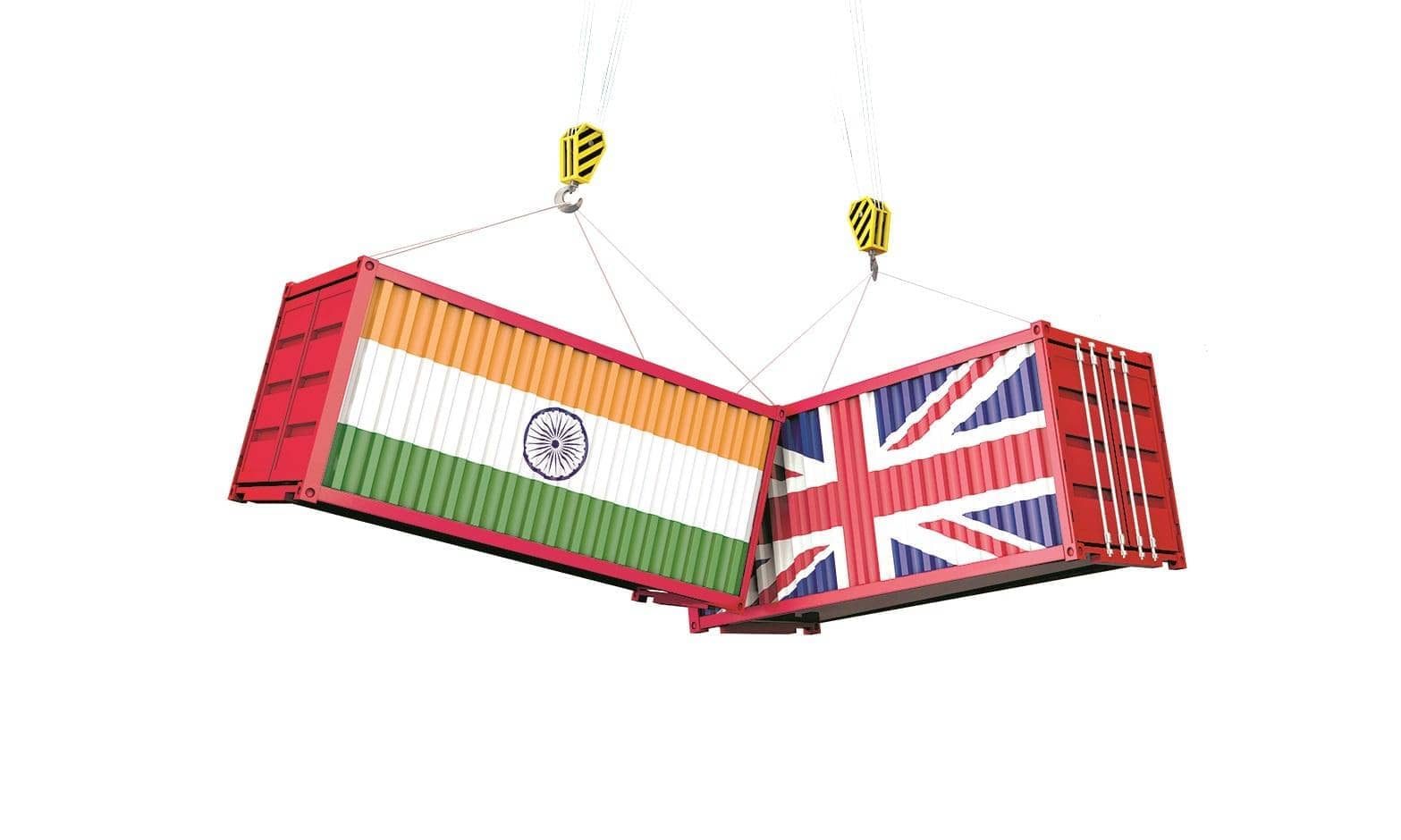


India's government is set to hold discussions with major liquor companies on Monday following concerns raised by both domestic producers and international firms about a federal inquiry into bulk Scotch whisky imports. This development marks the first significant conflict connected to the India-UK trade agreement that came into effect in July.




According to multiple sources familiar with the matter and a letter from industry representatives, New Delhi has informed leading players that bulk Scotch whisky imports will not qualify for the tariff reduction negotiated in the trade deal. The tariffs were supposed to be lowered from 150 percent to 75 percent, but the exclusion of bulk imports could undermine the benefits of the agreement.
The International Spirits & Wines Association of India, which represents global companies such as Pernod Ricard and Diageo, has privately expressed concern to the Indian government about this move. They warn that barring bulk Scotch from the tariff cuts risks damaging the pact’s intended trade facilitation.
Joining the international voices, the Confederation of Indian Alcoholic Beverage Companies (CIABC) has also protested the decision. A confidential letter dated October 27, seen by Reuters and reported here for the first time, outlines the potential negative impact on local manufacturing. The CIABC cautioned that excluding bulk Scotch from tariff relief might inadvertently encourage the importation of finished whisky products instead of supporting domestic blending and bottling operations.
India’s alcohol market, valued at around $65 billion, relies heavily on bulk Scotch imports. Approximately 80 percent of Scotch whisky imported from Britain arrives in bulk form, which Indian distillers use to produce popular blended brands. The industry had anticipated that reduced tariffs would help expand business and improve competitiveness.
Commerce ministry officials are scheduled to meet behind closed doors with senior executives from both foreign and Indian liquor companies to address these concerns. Four individuals with direct knowledge of the planned talks confirmed the meeting. Attempts to reach the ministry for comment outside normal business hours were unsuccessful.
British officials have indicated they are collaborating with Indian counterparts to resolve the issue. The Scottish government has also engaged with New Delhi regarding the tariff treatment of bulk Scotch, according to Reuters reports. India has yet to publicly comment on the matter.
The issue of whisky tariffs has been a key sticking point during the prolonged negotiations over the UK-India free trade agreement. India, a nation with a strong whisky-drinking culture, ultimately agreed to cut tariffs on certain Scotch varieties by half. However, the current dispute over tariff eligibility for bulk imports threatens to complicate the arrangement.
The CIABC’s letter highlights potential repercussions for India's 'Make in India' initiative, which aims to boost domestic manufacturing. It warns that if bulk Scotch used in local production is not eligible for the reduced tariff, importers might prefer finished products instead. This shift would undermine efforts to encourage value addition within the country’s alcoholic beverage sector.
Prominent Indian distillers such as Radico Khaitan, producer of the 8PM brand, and Allied Blenders and Distillers, known for Officer's Choice, belong to the CIABC. Neither the confederation nor the companies responded to media inquiries, but all have stated compliance with Indian law.
Allied Blenders noted in a recent investor presentation that it is among the largest importers of bulk Scotch in India and viewed the UK trade deal as a way to improve access to premium products.
Tariff disputes have long posed challenges for foreign investors in India, with some facing demands for substantial back taxes. Indian authorities maintain that their actions reflect enforcement of existing legislation.
This tariff disagreement underscores the complexities involved in trade agreements where domestic industry interests intersect with international trade commitments. How India resolves this issue may influence future negotiations and investor confidence in its market.
What's Your Reaction?
 Like
0
 Dislike
0
 Love
0
 Funny
0
 Wow
0
 Sad
0
 Angry
0














Comments (0)