


India Extends Customs Duty Exemption on Cotton Imports to Dec 2026

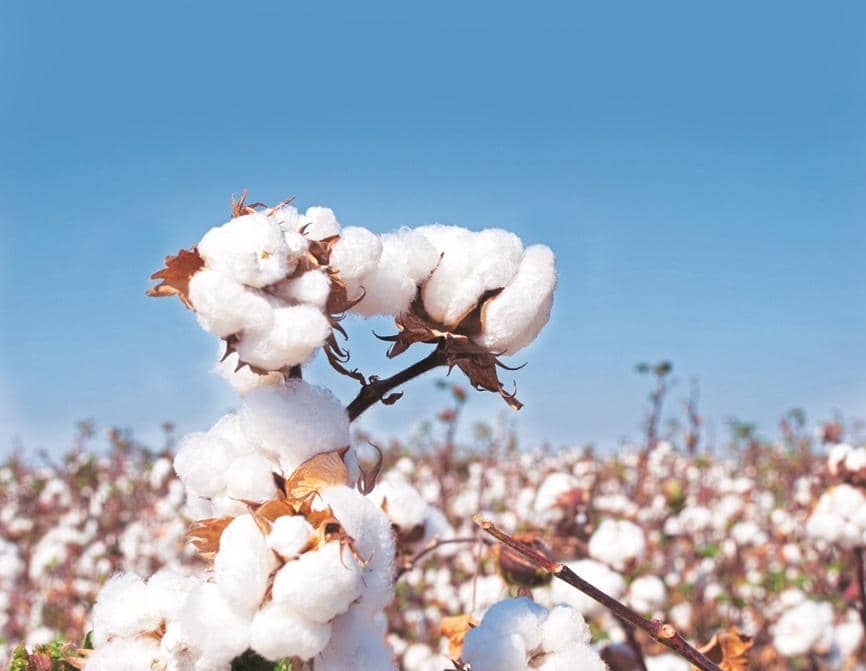


The Government of India has decided to prolong the customs duty exemption on cotton imports until December 31, 2026. This move aims to support the domestic textile sector by ensuring a steady supply of raw materials at competitive prices.




The extension was announced by the textile ministry on Saturday and formalized through a notification issued by the Department of Revenue under the Ministry of Finance on October 30. Initially, the exemption was set to expire at the end of October 2026, but the recent amendment adds an additional two months.
Earlier this year in May, the government had introduced the customs duty waiver on cotton imports for a five-month period lasting until October 31, 2026. The latest extension continues this policy, signaling the government’s intent to maintain favorable input costs for textile manufacturers.
Textile industry stakeholders have welcomed the decision, viewing it as a measure that can ease input costs and help stabilize prices for consumers. The finance ministry highlighted that the extension aims to lower production expenses across the textile and apparel sectors while also carefully considering the welfare of domestic cotton farmers.
India’s textile industry is a significant contributor to the national economy, employing millions and generating substantial export revenues. Cotton, being the primary raw material, is critical to the sector’s operation. Fluctuations in cotton prices or supply disruptions can ripple through the industry, affecting everything from fabric production to garment manufacturing.
By continuing the customs duty exemption, the government seeks to provide relief to manufacturers who face rising international cotton prices and supply chain uncertainties. This approach also reflects an effort to balance the needs of various stakeholders, including domestic producers of cotton who may face competition from imported supplies.
Officials have noted that managing this balance is essential because while textile manufacturers benefit from lower raw material costs through imports, domestic farmers rely on stable demand and fair pricing for their crops. The policy extension signals the government’s ongoing attention to these dynamics within the sector.
India is among the world’s largest cotton producers and consumers. The country’s cotton farming supports rural livelihoods across several states. At the same time, its textile industry is a major export earner and a key part of the country’s industrial landscape.
Global cotton markets have experienced volatility due to factors such as weather conditions affecting crop yields, changing trade policies, and fluctuating demand. Against this backdrop, the Indian government’s decision to extend the customs duty exemption on cotton imports can be seen as part of a broader strategy to stabilize the domestic textile value chain.
Industry analysts suggest that continued access to competitively priced cotton imports may help Indian textile firms remain competitive internationally. Lower input costs can translate into better margins for producers and potentially more affordable prices for consumers.
In summary, the government’s extension of the customs duty exemption on cotton imports until the end of 2026 aims to support the textile sector’s raw material needs, mitigate cost pressures, and carefully balance the interests of both manufacturers and cotton farmers. This policy development comes amid efforts to strengthen one of India’s key industrial segments and sustain its contribution to the economy.
What's Your Reaction?
 Like
0
 Dislike
0
 Love
0
 Funny
0
 Wow
0
 Sad
0
 Angry
0

















Comments (0)