


Indian Airlines Cut Domestic Flights by 2.6% This Diwali Due to High Fares

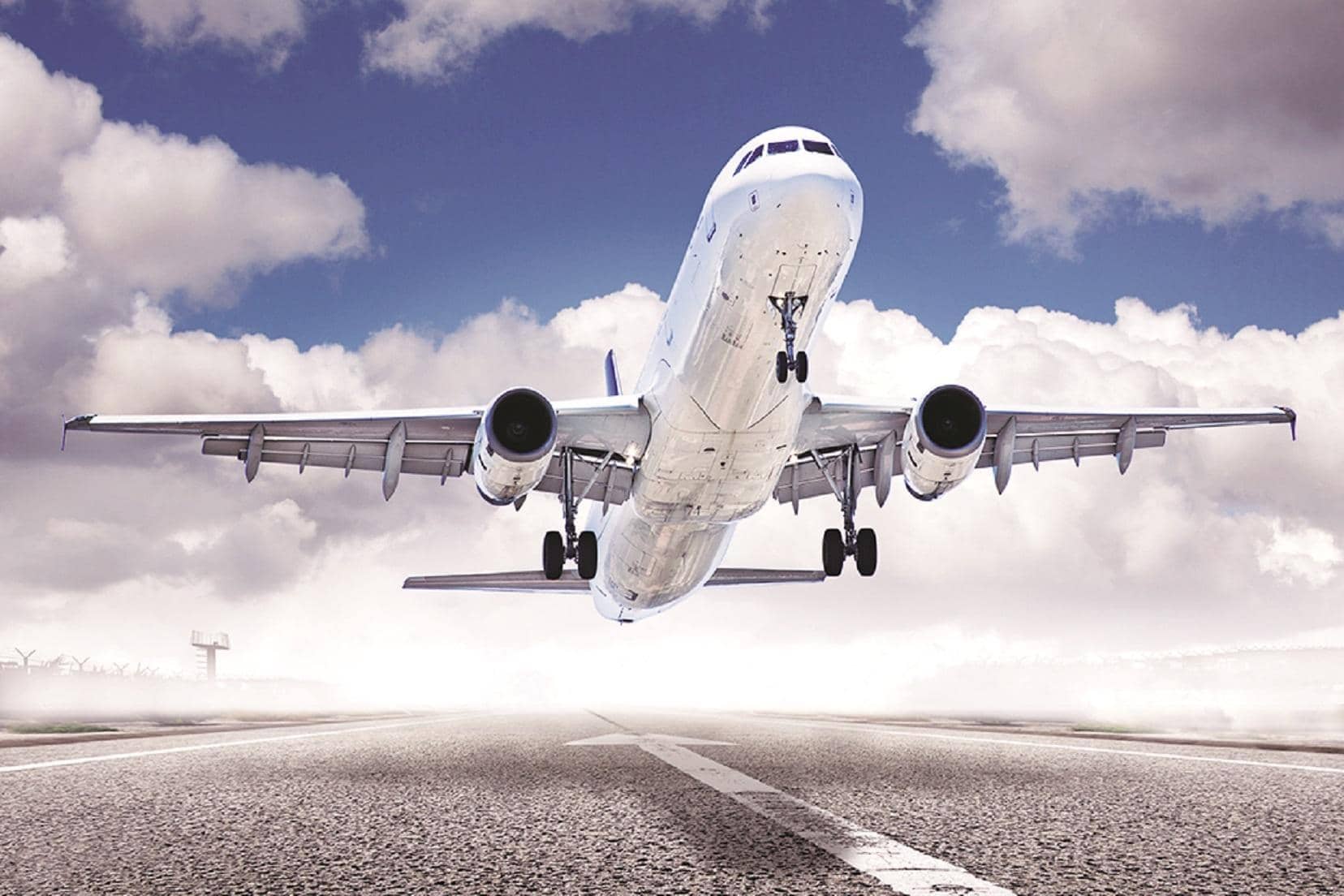


Indian airlines have planned 2.6 percent fewer domestic flights per week this Diwali season compared to the same festival period last year. This reduction is driven by increased airfares and weakening passenger demand, prompting carriers to scale back their flight schedules.




Data from aviation analytics firm Cirium, reviewed by Business Standard, shows airlines are set to operate 22,306 weekly flights in November 2026. This is a drop of 606 flights from the 22,912 flights scheduled in October 2025. The decline comes amid higher ticket prices, which have been influenced by rising fuel costs and a depreciating rupee, making air travel more expensive for customers.
Airlines are responding to these market conditions by adjusting capacity rather than maintaining the same flight counts despite reduced demand. Air India has implemented the largest cut, reducing its weekly domestic flights by 543, a 14.9 percent decrease from 3,644 flights in October last year to 3,101 flights this November. Its low-cost arm, Air India Express, also trimmed 78 flights or 3.1 percent, down to 2,420 weekly departures.
Other carriers have similarly reduced their schedules. SpiceJet cut 37 weekly flights, representing a 5.2 percent decline, to 679 flights. IndiGo, the country’s largest airline, lowered its weekly flights by 375, or 2.7 percent, resulting in 13,697 flights in November 2026.
Several specific routes show significant reductions in flight frequency. Hyderabad to Tirupati and Delhi to Hyderabad each lost 86 weekly flights. The Delhi to Leh route dropped by 78 flights, Chennai to Madurai fell by 70, and Ahmedabad to Goa (covering both Dabolim and Mopa airports) saw a 68-flight decrease. Other affected routes include Hyderabad to Chennai (down 58 flights), Delhi to Chennai (down 58 flights), Bengaluru to Goa (down 48 flights), Hyderabad to Patna (down 48 flights), and Jammu to Srinagar (down 47 flights).
Flight reductions are also evident in airports within Bihar, where the Chhath festival attracts substantial travel alongside Diwali. Patna Airport’s weekly departures are expected to fall from 377 in October 2025 to 302 in November 2026, a 20 percent reduction. Darbhanga Airport has seen departures drop nearly 18 percent, from 67 to 55 weekly flights. The Hyderabad-Patna route has also seen a sharp cut, with weekly flights declining from 90 to 42.
While Indian carriers operated 21,207 flights weekly in October 2026, there is an increase of about 1,100 weekly flights in November 2026 compared to the previous month. However, this month-on-month rise does not compensate for the year-on-year drop in scheduled services.
IndiGo’s CEO, Willie Walsh, commented on October 29 that the airline’s capacity reductions in the December quarter would primarily affect international routes, as domestic travel during the festival season usually remains strong. He noted that IndiGo did not anticipate a major overhaul of its domestic network but would maintain flexibility to adjust capacity if certain areas show weaker demand.
"If we observe any softness in specific markets, we can adjust capacity accordingly," Walsh said during the airline’s Q2 FY27 earnings call. He added that this agile approach to capacity management had positively impacted the company’s financial performance and would continue into the third and fourth quarters.
Despite rising ticket prices, IndiGo’s passenger load factor, which measures the percentage of available seats filled by passengers, declined to 80.3 percent in the July-September quarter of FY27 from 82.5 percent during the same period last year. This 2.2 percentage point drop indicates fewer seats were occupied despite higher yields.
When asked about balancing fares and occupancy, Walsh emphasized the importance of maximizing total revenue rather than focusing solely on either load factors or ticket prices. "Revenue depends on both yield and load factor. We constantly analyze this trade-off and adjust our strategy accordingly," he explained, noting that the airline evaluates this balance across different parts of its network. Additionally, revenue streams include not only ticket sales but also supplementary services and premium offerings.
An executive from a major airline told Business Standard that the current high airfares are making it challenging to fill aircraft to profitable levels. "Every empty seat is a lost opportunity. Operating costs remain largely fixed regardless of whether a flight carries 80 or 180 passengers," the executive said.
To maintain financial viability, airlines need a certain level of passenger occupancy to cover costs and generate returns. However, expensive tickets are dampening demand, prompting carriers to reduce flight frequencies on routes where demand has softened rather than continue operating underfilled flights.
These adjustments reflect the broader challenges facing the aviation sector, including fluctuating fuel prices, currency volatility, and shifting passenger preferences. Airlines are attempting to balance operational efficiency with customer demand during a traditionally busy travel season.
What's Your Reaction?
 Like
0
 Dislike
0
 Love
0
 Funny
0
 Wow
0
 Sad
0
 Angry
0

















Comments (0)