


India and EU Address Key FTA Implementation Issues Ahead of December Signing

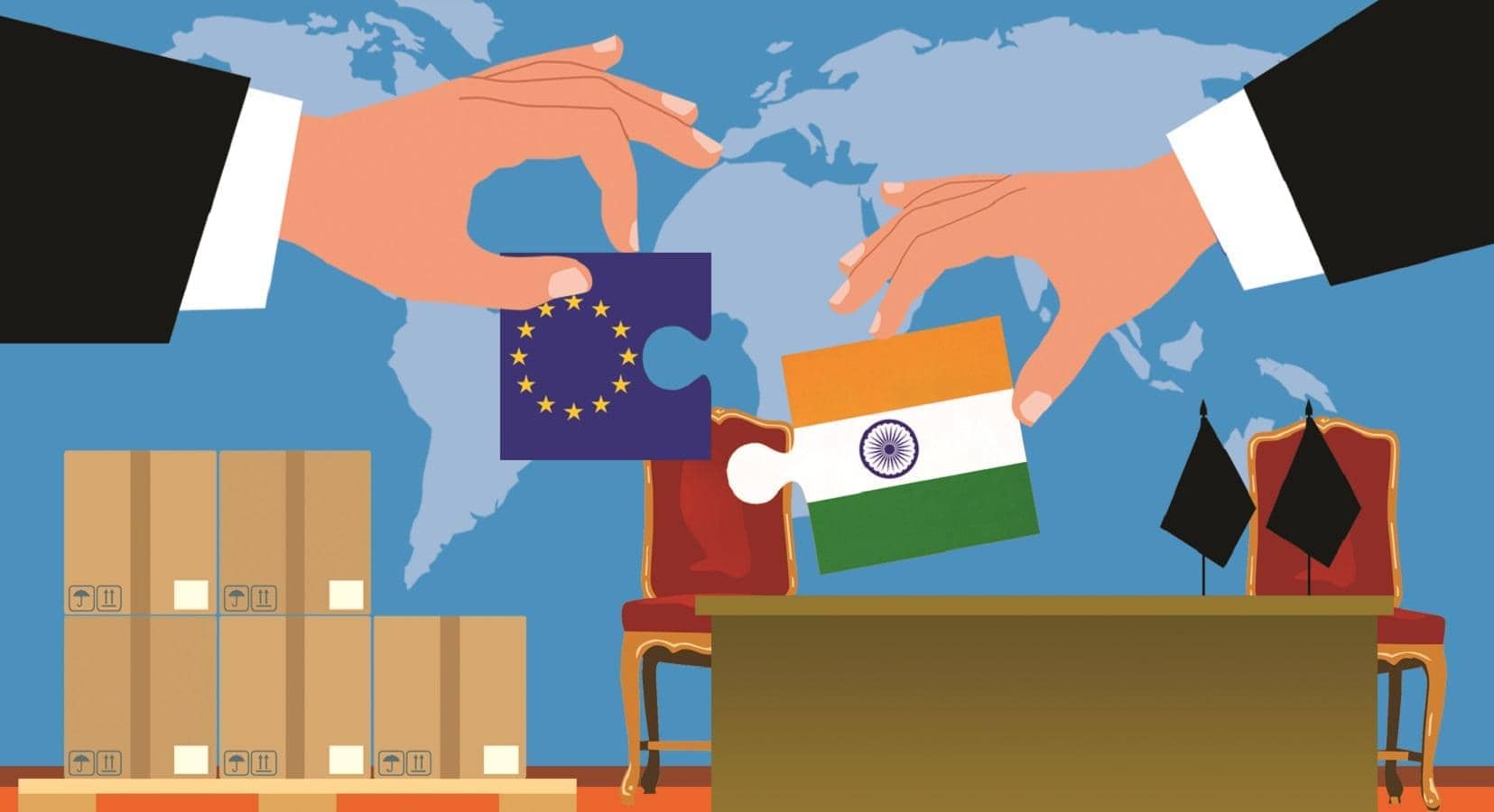


India and the European Union have engaged in detailed discussions to resolve implementation challenges related to their upcoming free trade agreement (FTA), which is set to be signed in December. The talks took place during a recent visit by India's Commerce Secretary Rajesh Agarwal to Brussels, highlighting the ongoing efforts to finalize critical aspects of the deal ahead of its formal conclusion.




During his visit last week, Agarwal met with senior officials from various directorates of the European Commission, including Ditte Juul Jorgensen from the Directorate-General for Trade and Economic Security, Koen Doens from the Directorate-General for International Partnerships, and Gerassimos Thomas from the Directorate-General for Taxation and Customs Union. These meetings focused extensively on areas such as customs cooperation, trade facilitation measures, and the overall preparations necessary for the effective implementation of the India-EU FTA.
The commerce ministry emphasized that both India and the EU recognize the vital role of streamlined customs procedures in boosting trade activities. Efficient, transparent, and digitally supported customs processes were identified as essential components to reduce transaction costs, facilitate business operations, and ensure the smooth transit of legitimate goods between the two economies. This approach aims to minimize delays and bureaucratic hurdles that can hamper cross-border trade.
The proposed FTA between India and the EU is anticipated to enhance bilateral trade by lowering tariffs, reducing non-tariff barriers, and promoting greater economic integration. Such agreements typically involve complex negotiations on diverse sectors, including goods, services, intellectual property rights, and regulatory cooperation. Addressing implementation issues early, as seen in these recent discussions, helps both parties anticipate challenges and lay the groundwork for a successful partnership.
Earlier this year, on January 27, India and the European Union jointly announced their intention to conclude negotiations on the free trade agreement. Since then, both sides have been working through intricate details to ensure that the agreement benefits businesses and consumers alike while adhering to regulatory standards and safeguarding economic interests.
The India-EU trade relationship holds significant potential given the size and diversity of both markets. The European Union is one of India's largest trading partners, with substantial volumes of goods and services exchanged annually. A comprehensive free trade agreement is expected to further stimulate investment, create jobs, and enhance supply chain linkages.
Customs cooperation, a key topic in the recent meetings, involves adopting harmonized standards and leveraging technology to facilitate faster clearance of goods. This includes the use of electronic documentation, risk management systems, and coordinated border measures to prevent fraud and ensure compliance. Such initiatives align with global trends where trade agreements increasingly incorporate digital trade facilitation to keep pace with evolving commerce practices.
Trade facilitation also encompasses simplifying import-export procedures, improving transparency, and fostering collaboration between customs authorities. These efforts contribute to lowering the cost of trade and enhancing competitiveness for exporters and importers on both sides.
As the December deadline for signing the FTA approaches, India and the European Union continue to prioritize resolving technical and procedural issues. This phase is critical to ensuring that once the agreement is signed, it can be implemented smoothly and deliver the anticipated economic benefits without undue delays or disputes.
In summary, the recent discussions in Brussels between Commerce Secretary Rajesh Agarwal and European Commission officials represent a significant step toward finalizing the India-EU free trade agreement. By focusing on customs cooperation, trade facilitation, and implementation readiness, both parties are laying the foundation for a stronger, more integrated trade relationship that could reshape economic ties between two major global actors.
What's Your Reaction?
 Like
0
 Dislike
0
 Love
0
 Funny
0
 Wow
0
 Sad
0
 Angry
0














Comments (0)